
Nr. 101335096

Eladva
Szék (2) - Tölgy, Bőr
Végső licit
€ 440
3 héttel ezelőtt

Szék (2) - Tölgy, Bőr

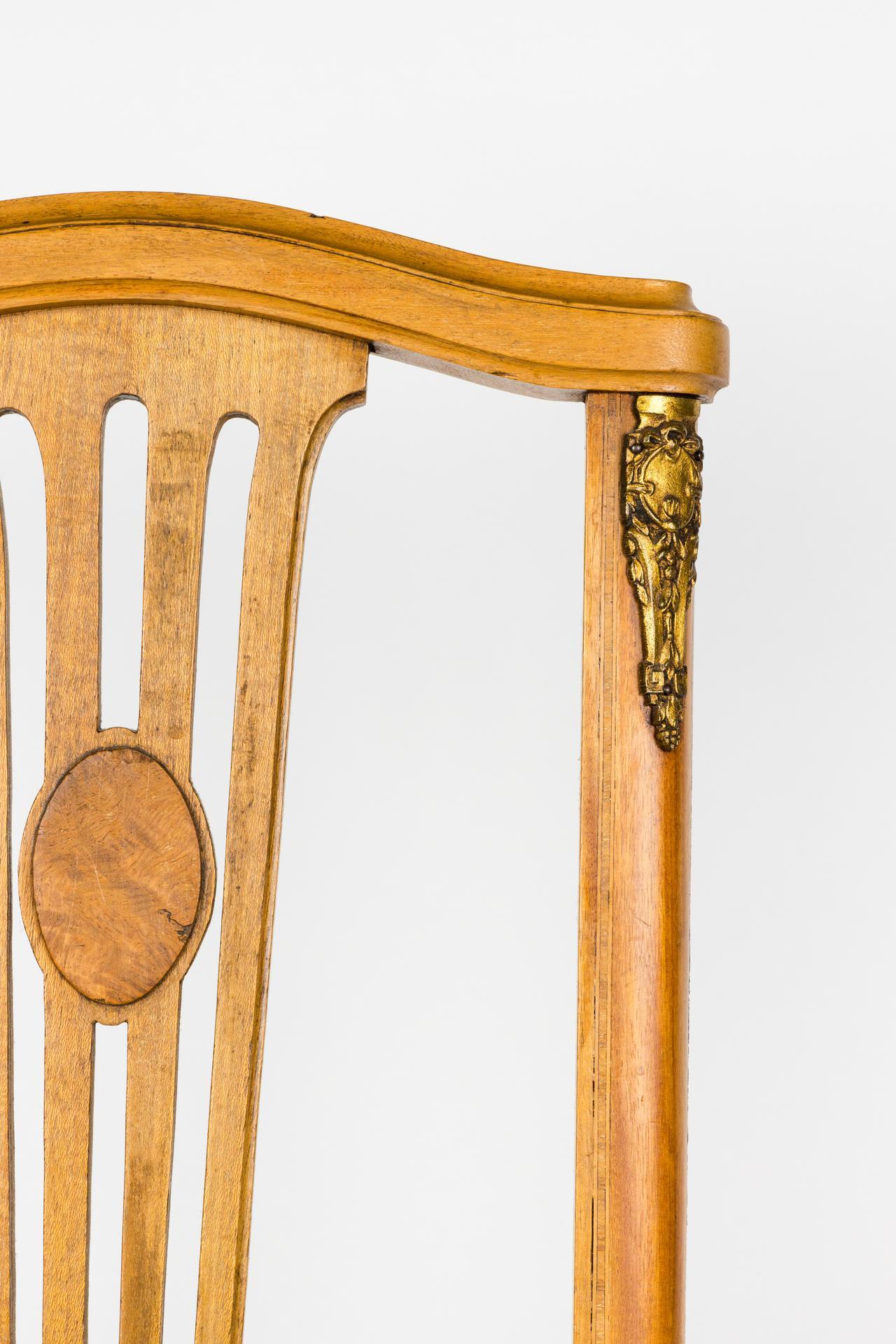
Late 17th-early 18th Century Civic / Guild Chair – Barley Twist Oak, DESCRIPTION: Object This chair is an authentic early civic chair, made for institutional rather than domestic use, dating to the mid-18th century (perhaps older). Such chairs were produced for town halls, guild chambers, council rooms, churches and early civic institutions, where durability, authority and status were required. Probable Origin: North-Western Europe, most likely England or the Southern Netherlands (Flanders). This attribution is based on several consistent construction and stylistic features: The barley twist (spiral-turned) legs and stretchers, a hallmark of English and Flemish civic furniture from the 18th century The use of solid oak, typical for public seating rather than domestic furniture The institutional proportions and restrained decoration, unlike later domestic revival furniture The presence of hand-forged copper upholstery studs, irregular in shape and spacing, indicating pre-industrial manufacture Such chairs were produced in small numbers for civic use rather than mass domestic production. Historical Use: Chairs of this type were commonly found in: Town halls / Guild chambers / Church vestries or council rooms. Early civic or administrative institutions They functioned as authority seating rather than comfort seating, explaining their robust construction and restrained design. Construction & Materials: Frame: Solid oak, hand-turned and assembled with traditional mortise-and-tenon joinery Legs & stretchers: Heavy spiral-turned (barley twist) elements front and rear Seat & back: Upholstered in thick vegetable-tanned cowhide, richly patinated. I have added additional details of the pegged joint connection. Besides the wooden pegs, the original saw marks from shortening the element are also still visible. Restorations

Nr. 101335096

Eladva
Szék (2) - Tölgy, Bőr

Szék (2) - Tölgy, Bőr

Late 17th-early 18th Century Civic / Guild Chair – Barley Twist Oak,

DESCRIPTION:
Object
This chair is an authentic early civic chair, made for institutional rather than domestic use, dating to the mid-18th century (perhaps older). Such chairs were produced for town halls, guild chambers, council rooms, churches and early civic institutions, where durability, authority and status were required.

Probable Origin:
North-Western Europe, most likely England or the Southern Netherlands (Flanders).

This attribution is based on several consistent construction and stylistic features:
The barley twist (spiral-turned) legs and stretchers, a hallmark of English and Flemish civic furniture from the 18th century
The use of solid oak, typical for public seating rather than domestic furniture
The institutional proportions and restrained decoration, unlike later domestic revival furniture
The presence of hand-forged copper upholstery studs, irregular in shape and spacing, indicating pre-industrial manufacture
Such chairs were produced in small numbers for civic use rather than mass domestic production.

Historical Use:
Chairs of this type were commonly found in:
Town halls / Guild chambers /
Church vestries or council rooms.
Early civic or administrative institutions
They functioned as authority seating rather than comfort seating, explaining their robust construction and restrained design.

Construction & Materials:
Frame: Solid oak, hand-turned and assembled with traditional mortise-and-tenon joinery
Legs & stretchers: Heavy spiral-turned (barley twist) elements front and rear
Seat & back: Upholstered in thick vegetable-tanned cowhide, richly patinated.

I have added additional details of the pegged joint connection. Besides the wooden pegs, the original saw marks from shortening the element are also still visible.

Restorations

Végső licit
€ 440
Dési van Rhee
Szakértő
Becslés  € 500 - € 650

Hasonló tárgyak

Önnek ajánlott:

Régiségek és klasszikus bútorok

Keresési riasztás beállítása
Állítson be keresési riasztást, hogy értesítést kapjon, ha új találatok válnak elérhetővé.

Ez a tárgy a következőben szerepelt:


Hogyan vásárolhatok a Catawiki-n?

Tudjon meg többet a Vevővédelmünkről

      1. Fedezzen fel valami különlegeset

      Böngésszen a szakértők által kiválasztott több ezer különleges tárgy között. Tekintse meg az egyes különleges tárgyak fényképeit, részleteit és becsült értékét. 

      2. Tegye meg a legmagasabb licitet

      Találjon valamit, ami igazán tetszik, és tegye meg a legmagasabb licitet. Követheti az árverést egészen a végéig, vagy hagyhatja, hogy a rendszerünk végezze el Ön helyett a licitálást. Mindössze annyit kell tennie, hogy beállítja a licitet a maximálisan kifizetni kívánt összegre. 

      3. Fizessen a biztonságos és védett rendszert használva
      Fizessen a különleges tárgyért, és mi védett rendszerben megőrizzük az összeget, amíg a tárgy biztonságosan meg nem érkezik Önhöz. Megbízható fizetési rendszert használunk az összes tranzakció kezelésére. 

Eladna valami hasonlót?

Akár új az online árverések világában, akár professzionálisan értékesít, mi segíthetünk abban, hogy jobb áron adja el különleges tárgyait.

Tárgy eladása