N. 99005660

Non più disponibile
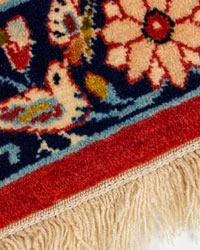
Copertura per tavolo del fine del XIX secolo, Richelieu, 1m x 1m. Con 4 tovaglioli con iniziali R.B. - Tessuto  - 1 m - 1 m
Offerte chiuse
4 settimane fa

Copertura per tavolo del fine del XIX secolo, Richelieu, 1m x 1m. Con 4 tovaglioli con iniziali R.B. - Tessuto - 1 m - 1 m

This is a superb example of Richelieu table linen. The piece is in excellent condition which is rare as it is fragile. Ideal either as a small side table cover or better even as a centre piece for a dining room table setting with a contrast fabric under it to show its beauty. The 4 napkins with R.B. initials are included, measuring 53cmx60cm. During the Renaissance, due to its beauty, this embroidery quickly won the hearts of all European nobility. "Richelieu" lace was highly valued and was the main technique in the manufacture of luxurious collars, frills, cuffs, gloves and handkerchiefs. Embroidery was a privilege of the nobility and decorated table and bed linen. "Richelieu" is a type of openwork embroidery in which the main elements of the pattern are sewn with smooth stitch (by hand or on a sewing machine), and the gaps between them are cut out, creating lace. In this case, individual elements of the pattern can be connected by jumpers or braids, which makes beautiful lace. Openwork embroidery usually uses plant motifs: very often elegant flower petals and other plant ornaments, for example, grapes or ivy, are depicted. The history of Richelieu embroidery dates back several centuries. It is believed that this embroidery technique originated in the 14th century during the Renaissance in Italy, during the reign of the famous Medici dynasty. However, the first mention of it is found in the chronicles of the 12th century, when this embroidery was created by nuns and kept secret from the general public. In those days, this embroidery was used for the clothing of clergy and on fabrics for saints. This type of needlework was an exclusively aristocratic occupation due to the high prices of tools and fabrics. "Richelieu" was popular among court ladies: this embroidery decorated their dresses, furniture, bed linen, and handkerchiefs. Modern life of the "Richelieu"... In the 21st century, lace decoration looks elegant and modern. Today, embroidery in the Richelieu technique is experiencing another renaissance, decorating dresses by famous designers. An example of the integration of this embroidery into high fashion is one of the collections of the American fashion designer Oscar de la Renta. Almost all the outfits created by the famous designer contain elements of this embroidery, which allows things to look both luxurious and traditional.

N. 99005660

Non più disponibile
Copertura per tavolo del fine del XIX secolo, Richelieu, 1m x 1m. Con 4 tovaglioli con iniziali R.B. - Tessuto  - 1 m - 1 m

Copertura per tavolo del fine del XIX secolo, Richelieu, 1m x 1m. Con 4 tovaglioli con iniziali R.B. - Tessuto - 1 m - 1 m


This is a superb example of Richelieu table linen.
The piece is in excellent condition which is rare as it is fragile.
Ideal either as a small side table cover or better even as a centre piece
for a dining room table setting with a contrast fabric under it to show its beauty.
The 4 napkins with R.B. initials are included, measuring 53cmx60cm.

During the Renaissance, due to its beauty, this embroidery quickly won the hearts of all European nobility. "Richelieu" lace was highly valued and was the main technique in the manufacture of luxurious collars, frills, cuffs, gloves and handkerchiefs. Embroidery was a privilege of the nobility and decorated table and bed linen.
"Richelieu" is a type of openwork embroidery in which the main elements of the pattern are sewn with smooth stitch (by hand or on a sewing machine), and the gaps between them are cut out, creating lace. In this case, individual elements of the pattern can be connected by jumpers or braids, which makes beautiful lace.
Openwork embroidery usually uses plant motifs: very often elegant flower petals and other plant ornaments, for example, grapes or ivy, are depicted.
The history of Richelieu embroidery dates back several centuries. It is believed that this embroidery technique originated in the 14th century during the Renaissance in Italy, during the reign of the famous Medici dynasty. However, the first mention of it is found in the chronicles of the 12th century, when this embroidery was created by nuns and kept secret from the general public. In those days, this embroidery was used for the clothing of clergy and on fabrics for saints.
This type of needlework was an exclusively aristocratic occupation due to the high prices of tools and fabrics. "Richelieu" was popular among court ladies: this embroidery decorated their dresses, furniture, bed linen, and handkerchiefs.

Modern life of the "Richelieu"...
In the 21st century, lace decoration looks elegant and modern. Today, embroidery in the Richelieu technique is experiencing another renaissance, decorating dresses by famous designers. An example of the integration of this embroidery into high fashion is one of the collections of the American fashion designer Oscar de la Renta.
Almost all the outfits created by the famous designer contain elements of this embroidery, which allows things to look both luxurious and traditional.


Offerte chiuse
Gabriele Minelli
Esperto
Stima  € 180 - € 220

Oggetti simili

Per te in

Tappeti e tessuti per la casa

Imposta un’allerta di ricerca
Imposta un’allerta di ricerca per ricevere una notifica quando sono disponibili nuove corrispondenze.

Questo oggetto era presente in


Come fare acquisti su Catawiki

Scopri di più sulla nostra Tutela degli acquirenti

      1. Scopri oggetti speciali

      Esplora migliaia di oggetti speciali selezionati da esperti. Osserva le foto, i dettagli e il valore stimato di ogni oggetto speciale. 

      2. Fai l’offerta più alta

      Trova qualcosa che ti interessa e fai l’offerta migliore. Puoi seguire l’asta fino alla fine o lasciare che il nostro sistema faccia le offerte per te. Non devi fare altro che impostare un’offerta per l’importo massimo che desideri pagare. 

      3. Paga in tutta sicurezza

      Effettua il tuo pagamento e noi lo terremo al sicuro finché il tuo oggetto speciale non sarà arrivato a destinazione sano e salvo. Utilizziamo un sistema di pagamento affidabile per gestire tutte le transazioni. 

Hai qualcosa di simile da vendere?

Possiamo aiutarti a guadagnare di più dai tuoi oggetti speciali, che tu venda professionalmente o sia nuovo nel mondo delle aste online.

Vendi il tuo oggetto