Nr. 102455917

Ikke længere tilgængelig
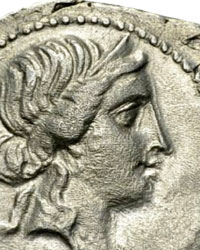
Ionia, Usikker 1/24 Stater circa 650-600 BC
Lukket for budgivning
9 uger siden

Ionia, Usikker 1/24 Stater circa 650-600 BC

Uncertain City. Ca. 550-500 BC. 1/24 electrum gold stater (0.66 g). Head and foreleg of Ram or Ibex right / Irregular incuse. Cf. BMC Ionia p. 15, 71 (hecte of same design). Cf. Münzen & Medaillen, Basel 72 (1987), lot 102 (Rosen collection) (1/24th stater from same dies). Areas of roughness, otherwise Good Very Fine. Electrum=elektron is een alloy of mainly gold and silver used for the first coins. Other than the literary tradition ascribing the origin of coinage to the kings of Lydia, there is little evidence for a more exact chronology of early Greek coinage. The tradition, buttressed by limited archaeological studies, does confirm Asia Minor as the place of origin, most likely Lydia or Ionia, and a date somewhere around 650-625 BC. The alloy used, a mixture of gold and silver known to the Greeks as elektron was based on the natural ore found in nugget form in many riverbeds in the region. The earliest coins were of a globular shape and without design in imitation of this natural form; later, simple striated and punched patterns of squares, rectangles, and swastikas were included. The earliest true types may have developed from the use of personal seals, the most widely known being the stater of Ephesos with a stag bearing the inscription “I am a seal of Phanes”. These devices later took on the characteristics of civic symbols, although it would be dangerous to link a specific symbol to a particular city in this early period. The most secure form of classification has been by weight standard, based on two major, and several lesser-used, standards. The Milesian standard, with a stater of roughly 14 grams, saw circulation in Lydia and parts of Ionia. The Phokaic standard of roughly 16 grams was also used in Ionia as well as Mysia. Persic, Aeginetan, and Euboic standards saw scattered use in early coinage, limited in time and extent of circulation. The intrinsic value of the early electrum, even down to the 1/96 stater, was too high for use in everyday commerce, and early coinage must have been used only for the transfer of large sums of money, such as mercantile transactions, payment of government expenses (mercenaries, tribute and such), and donatives, either for services rendered to individuals or the state, or to religious foundations. The Artemision deposits, hoards of early electrum found at the site of the temple of Artemis at Ephesos, are examples of the latter.

Nr. 102455917

Ikke længere tilgængelig
Ionia, Usikker 1/24 Stater circa 650-600 BC

Ionia, Usikker 1/24 Stater circa 650-600 BC

Uncertain City. Ca. 550-500 BC. 1/24 electrum gold stater (0.66 g). Head and foreleg of Ram or Ibex right / Irregular incuse. Cf. BMC Ionia p. 15, 71 (hecte of same design). Cf. Münzen & Medaillen, Basel 72 (1987), lot 102 (Rosen collection) (1/24th stater from same dies). Areas of roughness, otherwise Good Very Fine.

Electrum=elektron is een alloy of mainly gold and silver used for the first coins.

Other than the literary tradition ascribing the origin of coinage to the kings of Lydia, there is little evidence for a more exact chronology of early Greek coinage. The tradition, buttressed by limited archaeological studies, does confirm Asia Minor as the place of origin, most likely Lydia or Ionia, and a date somewhere around 650-625 BC. The alloy used, a mixture of gold and silver known to the Greeks as elektron was based on the natural ore found in nugget form in many riverbeds in the region. The earliest coins were of a globular shape and without design in imitation of this natural form; later, simple striated and punched patterns of squares, rectangles, and swastikas were included. The earliest true types may have developed from the use of personal seals, the most widely known being the stater of Ephesos with a stag bearing the inscription “I am a seal of Phanes”. These devices later took on the characteristics of civic symbols, although it would be dangerous to link a specific symbol to a particular city in this early period. The most secure form of classification has been by weight standard, based on two major, and several lesser-used, standards. The Milesian standard, with a stater of roughly 14 grams, saw circulation in Lydia and parts of Ionia. The Phokaic standard of roughly 16 grams was also used in Ionia as well as Mysia. Persic, Aeginetan, and Euboic standards saw scattered use in early coinage, limited in time and extent of circulation. The intrinsic value of the early electrum, even down to the 1/96 stater, was too high for use in everyday commerce, and early coinage must have been used only for the transfer of large sums of money, such as mercantile transactions, payment of government expenses (mercenaries, tribute and such), and donatives, either for services rendered to individuals or the state, or to religious foundations. The Artemision deposits, hoards of early electrum found at the site of the temple of Artemis at Ephesos, are examples of the latter.

Lukket for budgivning
Carmen Vera Gutiérrez
Ekspert
Estimat  € 450 - € 500

Lignende genstande

Til dig i

Gamle Mønter

Indstil en søgealarm
Indstil en søgealarm for at få besked, når nye matches er tilgængelige.

Denne genstand blev vist i


Sådan køber du hos Catawiki

Få mere at vide om vores Køberbeskyttelse

      1. Opdag noget særligt

      Gennemse tusindvis af specielle genstande udvalgt af eksperter. Se fotos, detaljer og estimeret værdi af hver specielle genstand. 

      2. Afgiv det højeste bud

      Find noget, du er vild med, og afgiv det højeste bud. Du kan følge auktionen til dørs eller lade vores system byde for dig. Alt, du skal gøre, er at indstille et bud på det maksimale beløb, du vil betale. 

      3. Foretag en sikker betaling

      Betal for din specielle genstand, så opbevarer vi din betaling i sikkerhed, indtil den ankommer i god behold. Vi bruger et betroet betalingssystem til håndtering af alle transaktioner. 

Har du noget lignende at sælge?

Uanset om du er nybegynder på onlineauktioner eller sælger professionelt, kan vi hjælpe dig med at tjene mere på dine specielle genstande.

Sælg din genstand