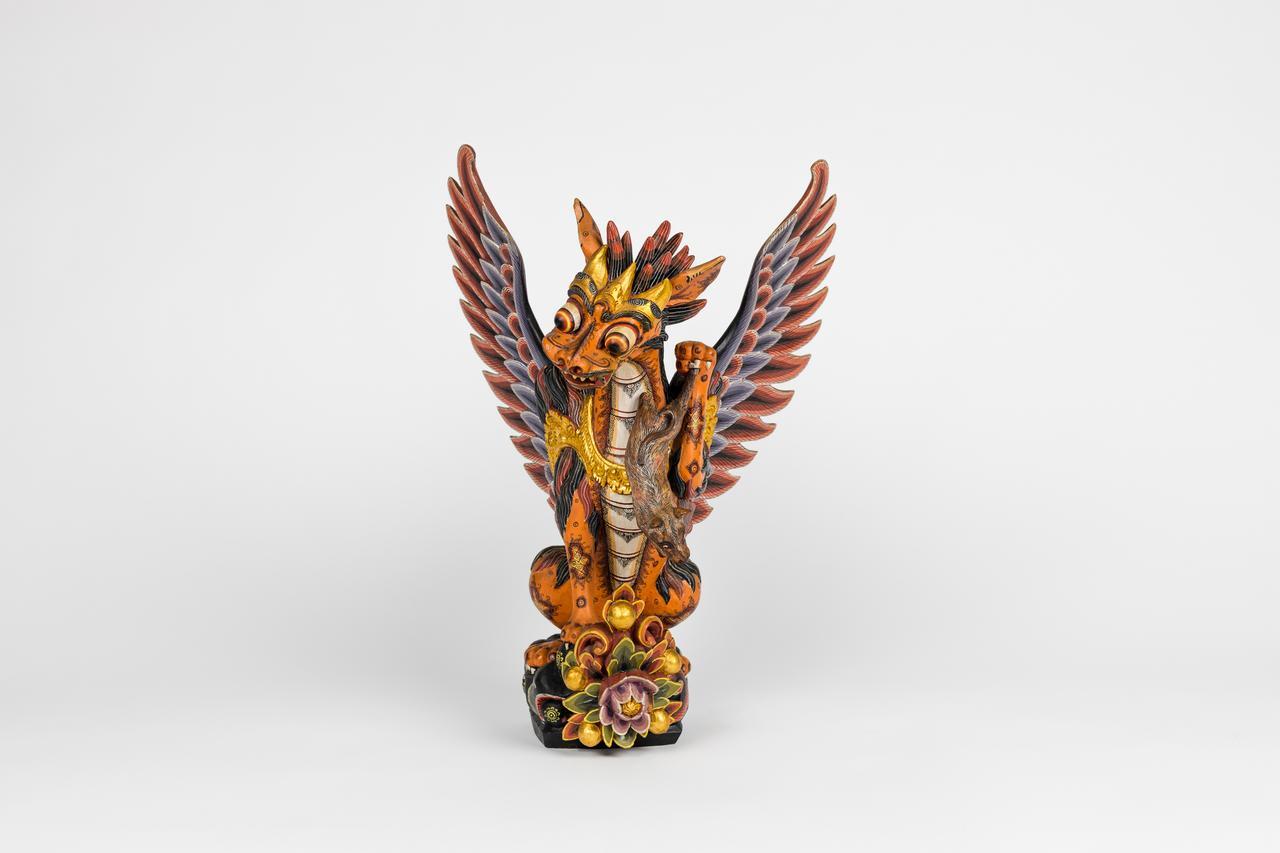
Statue - Gresik Java - Indonesia (No reserve price)



03
days
18
hours
50
minutes
40
seconds

6 other people are watching this object
 Bidder 5040 Bidder 5040 | €2 |
|---|
Catawiki Buyer Protection
Your payment’s safe with us until you receive your object.View details
Trustpilot 4.4 | 123294 reviews
Rated Excellent on Trustpilot.
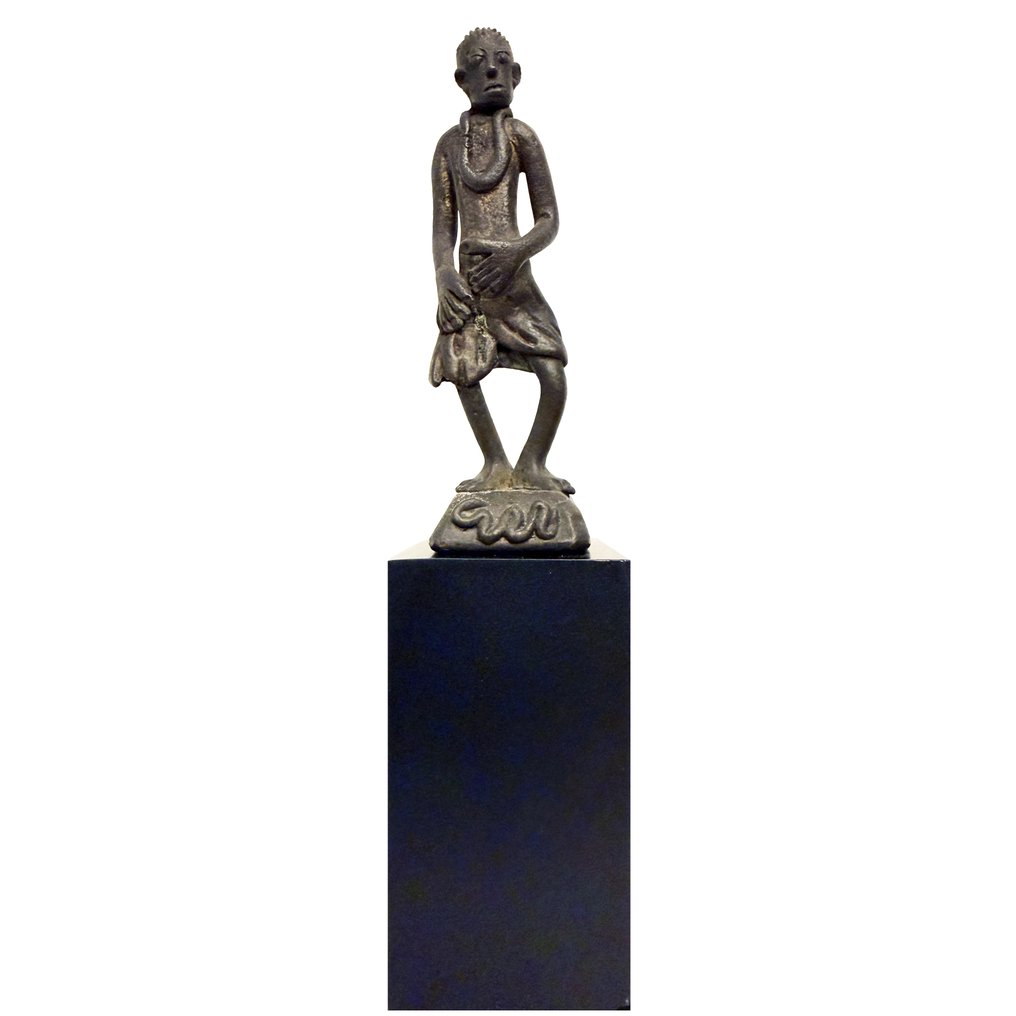
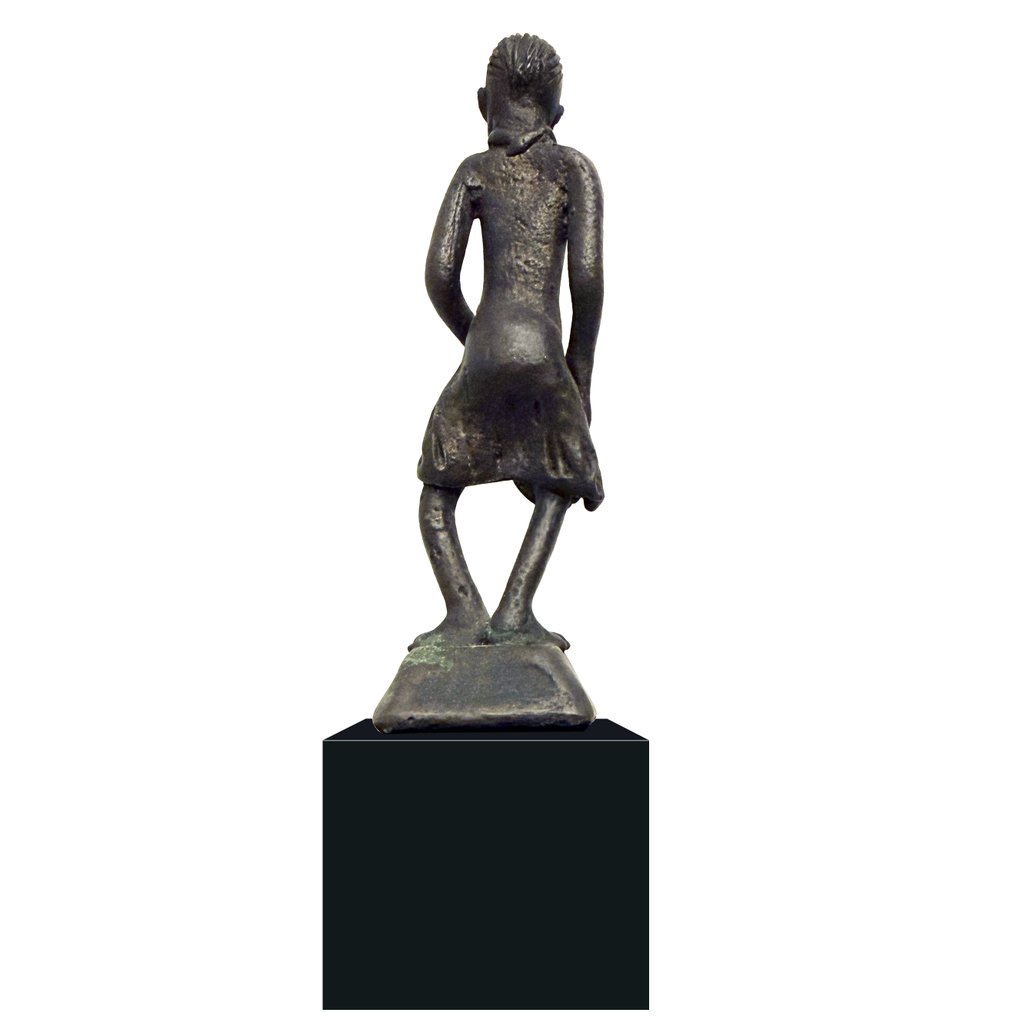
A single brass Gresik ancestor statue from Java, Indonesia, dating to the late 20th century, mounted on a custom wooden stand, with a base signed in Aksara Kawi, measuring 19 cm high by 5 cm wide and 5 cm deep, and weighing 210 g in good condition.
AI-assisted summary
Description from the seller
Gresik Copper Statue
Fine example of an original brass Gresik ancestor figures which deduced from its inspiration in Hindu iconography. This is an original, antique brass Gresik Ancestor Statues from Java (Indonesia), this kind of statues were used in Indonesia to honour the ancestors and get power and protection from the ancestors.
If you look at the photos you will see the patina and state of the old eroded brass which ensure its orginality and age. Beautifull collectors item / museum piece. they wil come with custom made wooden stand on which the statues reach a height of 19cm. item dimensions 10x5x5cm If you look even more closer on the photos you will see on the base it has been signed of in Aksara Kawi which is an old language dating from the 8th century.
Seller's Story
Booker Trading combines contemporary design with sustainable materials to provide quality products for in and around your home or business. The wood we use is always FSC certified and always reclaimed, reused or sustainably planted. Our website features handcrafted furniture, lighting, decorative items and umbrellas from suppliers who share our vision and passion for unique and functional designs. Booker Trading is a specialized company in organically modern and ecologically responsible designs and products. Furthermore, we are a small company that has spontaneously grown into one of the most famous suppliers of unique items and designs from recycled materials. Booker Trading's products unite organic shapes, industrial and modern design to merge in a functional design with inspiring elements that appeal to the imagination.
Booker Trading prides itself on its commitment to environmental sustainability, social responsibility and fair trade with our suppliers. Founded in the year 2010 with sales through online webshop and went offline in 2016 with our workshop and showroom in Zandvoort. Partly due to our expertise and local purchasing agents, BookerTrading is unique. We know how to realize the range wishes of our dealers and customers in a professional manner. Our products are made from recycled, reclaimed or otherwise up-cycled wood, in this way we reinvest in our products. Our range consists of functional furniture and decorative items made from old fishing boats, centuries-old houses, fallen trees from rivers and coffee trees replaced by local farmers. Booker Trading supplies to private individuals, companies and retailers.
Translated by Google TranslateGresik Copper Statue
Fine example of an original brass Gresik ancestor figures which deduced from its inspiration in Hindu iconography. This is an original, antique brass Gresik Ancestor Statues from Java (Indonesia), this kind of statues were used in Indonesia to honour the ancestors and get power and protection from the ancestors.
If you look at the photos you will see the patina and state of the old eroded brass which ensure its orginality and age. Beautifull collectors item / museum piece. they wil come with custom made wooden stand on which the statues reach a height of 19cm. item dimensions 10x5x5cm If you look even more closer on the photos you will see on the base it has been signed of in Aksara Kawi which is an old language dating from the 8th century.
Seller's Story
Booker Trading combines contemporary design with sustainable materials to provide quality products for in and around your home or business. The wood we use is always FSC certified and always reclaimed, reused or sustainably planted. Our website features handcrafted furniture, lighting, decorative items and umbrellas from suppliers who share our vision and passion for unique and functional designs. Booker Trading is a specialized company in organically modern and ecologically responsible designs and products. Furthermore, we are a small company that has spontaneously grown into one of the most famous suppliers of unique items and designs from recycled materials. Booker Trading's products unite organic shapes, industrial and modern design to merge in a functional design with inspiring elements that appeal to the imagination.
Booker Trading prides itself on its commitment to environmental sustainability, social responsibility and fair trade with our suppliers. Founded in the year 2010 with sales through online webshop and went offline in 2016 with our workshop and showroom in Zandvoort. Partly due to our expertise and local purchasing agents, BookerTrading is unique. We know how to realize the range wishes of our dealers and customers in a professional manner. Our products are made from recycled, reclaimed or otherwise up-cycled wood, in this way we reinvest in our products. Our range consists of functional furniture and decorative items made from old fishing boats, centuries-old houses, fallen trees from rivers and coffee trees replaced by local farmers. Booker Trading supplies to private individuals, companies and retailers.
Translated by Google TranslateDetails
No. of items
1
Country of Origin
Indonesia
Period
Late 20th century
Material
Brass
Sold with stand
Yes
Condition
Good condition
Title of artwork
Statue - Gresik Java
Height
19 cm
Width
5 cm
Depth
5 cm
Weight
210 g
Provenance
Gallery / Antique dealer
Sold by