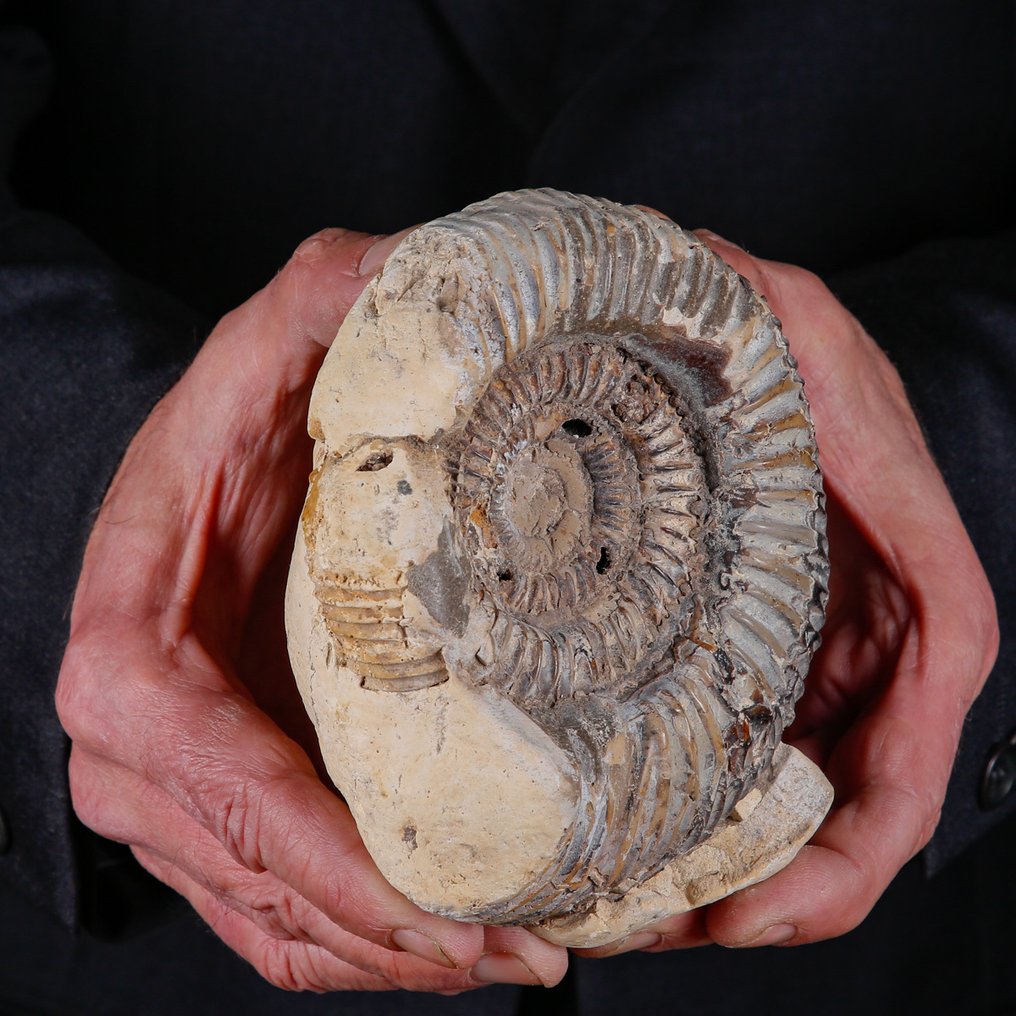
Fossil ammonite in matrix - Fossil fragment - Perisphinctes in Nodulo - Madagascar - 134 mm - 113 mm


Opens tomorrow
Starting bid
€ 1
Add to your favourites to get an alert when the auction starts.

Catawiki Buyer Protection
Your payment’s safe with us until you receive your object.View details
Trustpilot 4.4 | 123053 reviews
Rated Excellent on Trustpilot.
Description from the seller
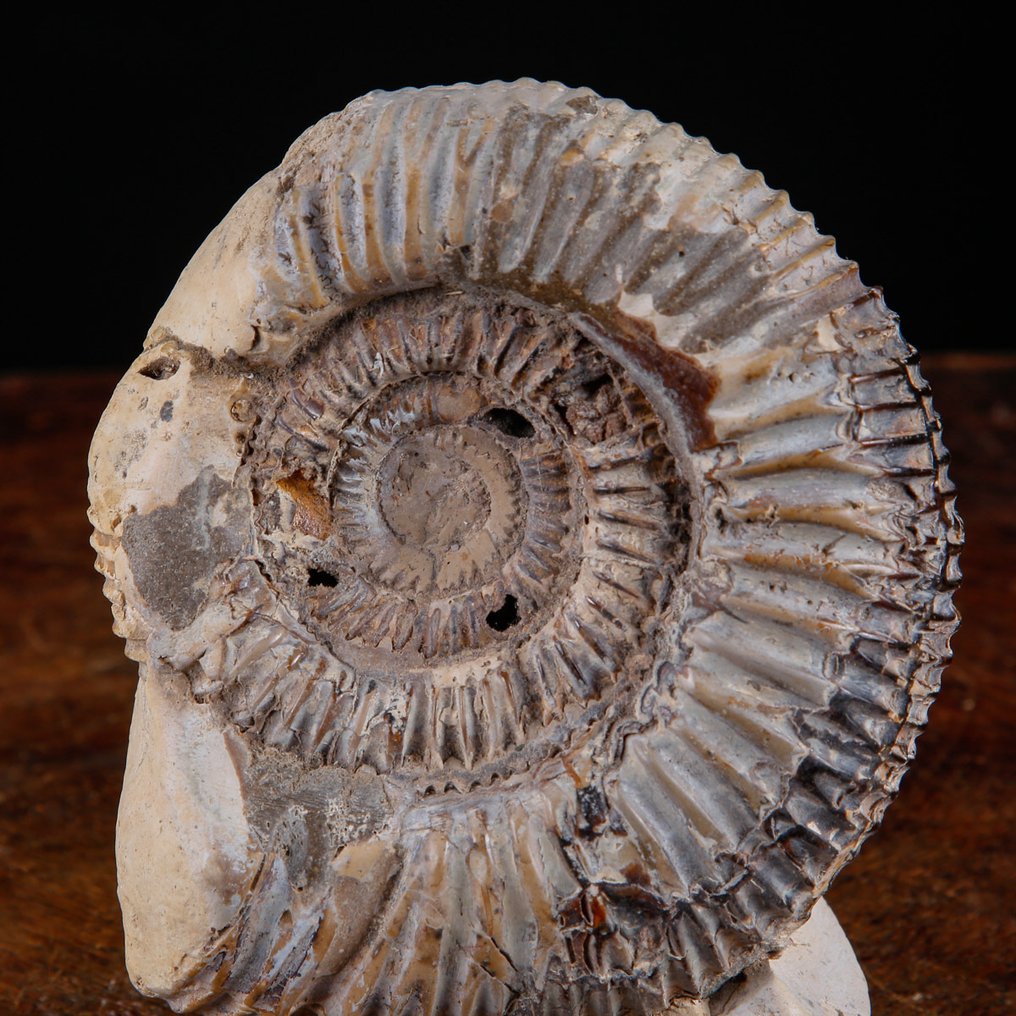
Ammonite fossil of the genus Perisphinctes is embedded in its natural noduled, originating from Madagascar, one of the most renowned regions for the quality and preservation of Upper Jurassic fossils.
Main features
Geological period: Upper Jurassic (about 150-160 million years ago).
Origin: Madagascar, noted for its fossils preserved in limestone sediments.
Morphology
Planispiral shell with all the coils clearly visible.
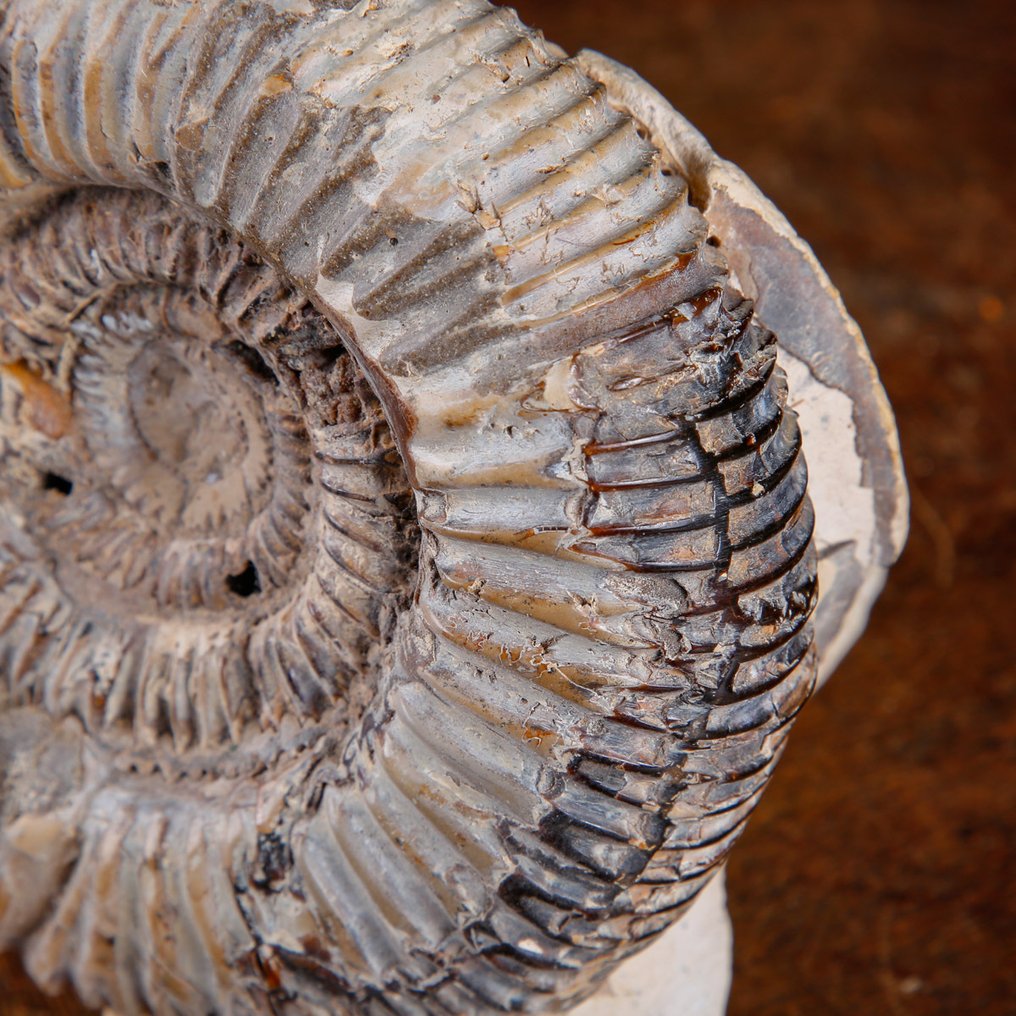
Robust and regular ribbing, with an arrangement that bifurcates as it extends outward, typical of Perisphinctes ammonites.
The shell is perfectly preserved, showing a natural, unpolished structure that highlights the paleontological details.
Unique characteristics of the nodule
The fossil is enclosed in a calcareous nodule that protects its original structure, preserving the natural context in which it fossilized.
This nodulus offers an authentic view of the fossil as it was found in nature, ideal for paleontology enthusiasts and collectors.
Scientific information
Perisphinctes ammonites were marine cephalopods belonging to the subgroup of ammonoids. Fossils of this genus are used as guide fossils, essential for determining the age of rock layers in the Upper Jurassic.
Seller's Story
The Mineral Art Gallery offers minerals, fossils, shells and natural elements.
Born in Italy in 2017, today she collaborates with international galleries and collectors, she is a direct importer of large minerals and naturalistic collectible elements; deals with the processing to insert them inside the living space. A section of the gallery was dedicated to the Wunderkammer, "chamber of wonders or cabinet of curiosities" in which Mirabilia elements are presented: naturalia and italiania, a union between "the present is the past".
All lots are shipped via DHL Express and Fercam couriers, with insured parcel and tracking.
Translated by Google TranslateAmmonite fossil of the genus Perisphinctes is embedded in its natural noduled, originating from Madagascar, one of the most renowned regions for the quality and preservation of Upper Jurassic fossils.
Main features
Geological period: Upper Jurassic (about 150-160 million years ago).
Origin: Madagascar, noted for its fossils preserved in limestone sediments.
Morphology
Planispiral shell with all the coils clearly visible.
Robust and regular ribbing, with an arrangement that bifurcates as it extends outward, typical of Perisphinctes ammonites.
The shell is perfectly preserved, showing a natural, unpolished structure that highlights the paleontological details.
Unique characteristics of the nodule
The fossil is enclosed in a calcareous nodule that protects its original structure, preserving the natural context in which it fossilized.
This nodulus offers an authentic view of the fossil as it was found in nature, ideal for paleontology enthusiasts and collectors.
Scientific information
Perisphinctes ammonites were marine cephalopods belonging to the subgroup of ammonoids. Fossils of this genus are used as guide fossils, essential for determining the age of rock layers in the Upper Jurassic.
Seller's Story
The Mineral Art Gallery offers minerals, fossils, shells and natural elements.
Born in Italy in 2017, today she collaborates with international galleries and collectors, she is a direct importer of large minerals and naturalistic collectible elements; deals with the processing to insert them inside the living space. A section of the gallery was dedicated to the Wunderkammer, "chamber of wonders or cabinet of curiosities" in which Mirabilia elements are presented: naturalia and italiania, a union between "the present is the past".
All lots are shipped via DHL Express and Fercam couriers, with insured parcel and tracking.
Translated by Google TranslateDetails
Specimen
Fossil ammonite in matrix
Scientific name
Perisphinctes in Nodulo - Madagascar
Country of Origin
Madagascar
Geological Period
Jurassic (201.3 - 145 million years)
Condition
Natural
Weight
1140 g
Height
134 mm
Width
113 mm
Depth
74 mm
Sold by