Roman Empire. Commodus, as Caesar, AD 166-177. Sestertius Rome - Trophy between two captives

04
days
21
hours
58
minutes
24
seconds
Current bid
€ 103
Reserve price not met

Carmen Vera Gutiérrez
Expert
Selected by Carmen Vera Gutiérrez

Experienced antique appraiser specialising in Spanish coins with deep knowledge of ancient currency.

Estimate  € 210 - € 240
8 other people are watching this object

nlBidder 3816 €103
nlBidder 3816 €98
nlBidder 3816 €93

Catawiki Buyer Protection

Your payment’s safe with us until you receive your object.View details

Trustpilot 4.4 | 123294 reviews

Rated Excellent on Trustpilot.
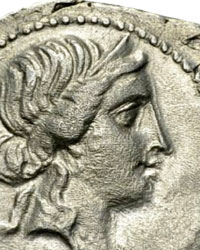
Roman Empire Æ Sestertius of Commodus as Caesar (r. 166–177 AD), struck in 177 at the Rome mint, 26.18 g and 31 mm, with a laureate, draped obverse and a reverse displaying a trophy flanked by two bound Germanic captives, condition Ungraded with a fine or attractive orichalcum patina.

AI-assisted summary

Description from the seller

Commodus as Caesar (r. 166–177 AD). Roman Empire. Æ Sestertius. 177 AD. Rome mint.

Æ, 26.18 g / 31 mm – Fine, attractive orichalcum patina. Rare.

Ref: RIC 1565; BMC; MIR 38616/37.

Obv: Laureate and draped bust of Commodus right.
Legend: IMP CAES L AVREL COMMODVS GERM SARM

Rev: Trophy flanked by two bound Germanic captives seated at its base.
Legend: TR POT II COS / S–C / DE GERM

Struck to commemorate Marcus Aurelius’ victories in the Marcomannic Wars. The mourning captives and central trophy symbolize Germanic submission and Roman military superiority.


Historical Context:

This sestertius was issued while Commodus was still Caesar under his father, Marcus Aurelius, during the height of the Marcomannic Wars. These campaigns, fought along the Danube frontier, were crucial in defending the empire against coordinated attacks by Germanic tribes.

The reverse type—trophy with bound captives—proclaims Roman victory and dominance. Such imagery was designed to reinforce imperial authority, celebrate military achievements, and bolster public morale in Rome. Though Commodus would later become infamous as emperor, his early coinage reflects the disciplined and militaristic ideology of Marcus Aurelius’ reign.


Shipping & Packaging:

Items are packed securely and shipped with Track & Trace. Shipping only within the European Union. No shipping to the USA due to tariffs.

Commodus as Caesar (r. 166–177 AD). Roman Empire. Æ Sestertius. 177 AD. Rome mint.

Æ, 26.18 g / 31 mm – Fine, attractive orichalcum patina. Rare.

Ref: RIC 1565; BMC; MIR 38616/37.

Obv: Laureate and draped bust of Commodus right.
Legend: IMP CAES L AVREL COMMODVS GERM SARM

Rev: Trophy flanked by two bound Germanic captives seated at its base.
Legend: TR POT II COS / S–C / DE GERM

Struck to commemorate Marcus Aurelius’ victories in the Marcomannic Wars. The mourning captives and central trophy symbolize Germanic submission and Roman military superiority.


Historical Context:

This sestertius was issued while Commodus was still Caesar under his father, Marcus Aurelius, during the height of the Marcomannic Wars. These campaigns, fought along the Danube frontier, were crucial in defending the empire against coordinated attacks by Germanic tribes.

The reverse type—trophy with bound captives—proclaims Roman victory and dominance. Such imagery was designed to reinforce imperial authority, celebrate military achievements, and bolster public morale in Rome. Though Commodus would later become infamous as emperor, his early coinage reflects the disciplined and militaristic ideology of Marcus Aurelius’ reign.


Shipping & Packaging:

Items are packed securely and shipped with Track & Trace. Shipping only within the European Union. No shipping to the USA due to tariffs.

Details

Era
Before 1400
Culture/region
Roman Empire
Year/Period and Variation
Rome - Trophy between two captives
Ruler
Commodus, as Caesar, AD 166-177
Denomination
Sestertius
Metal
Æ
Condition
Ungraded
Weight
26.18 g
Number of items
1
The NetherlandsVerified
73
Objects sold
100%
Private

Similar objects

For you in

Ancient Coins