ATEA 'The Antwerp Telephone and Electrical Works' - Analogue telephone - RTT 56 - Bakelite, Brass, Copper - Vintage




01
day
19
hours
14
minutes
20
seconds
Current bid
€ 53
No reserve price

Expert
Selected by Ashley Calvert
He has 15 years of experience trading 20th century glass and antiques.
Estimate € 110 - € 160
33 other people are watching this object
 Bidder 5341 Bidder 5341 | €53 | |
|---|---|---|
| Bidder 8323 | €44 | |
 Bidder 1430 Bidder 1430 | €39 | |
Catawiki Buyer Protection
Your payment’s safe with us until you receive your object.View details
Trustpilot 4.4 | 123779 reviews
Rated Excellent on Trustpilot.
ATEA RTT 56 analogue telephone from Belgium, built by ATEA in Antwerp for RTT, with a copper housing, brass mounting and Bakelite dial/handset, dating to 1956–1965 and in good used condition while in working order.
AI-assisted summary
Description from the seller
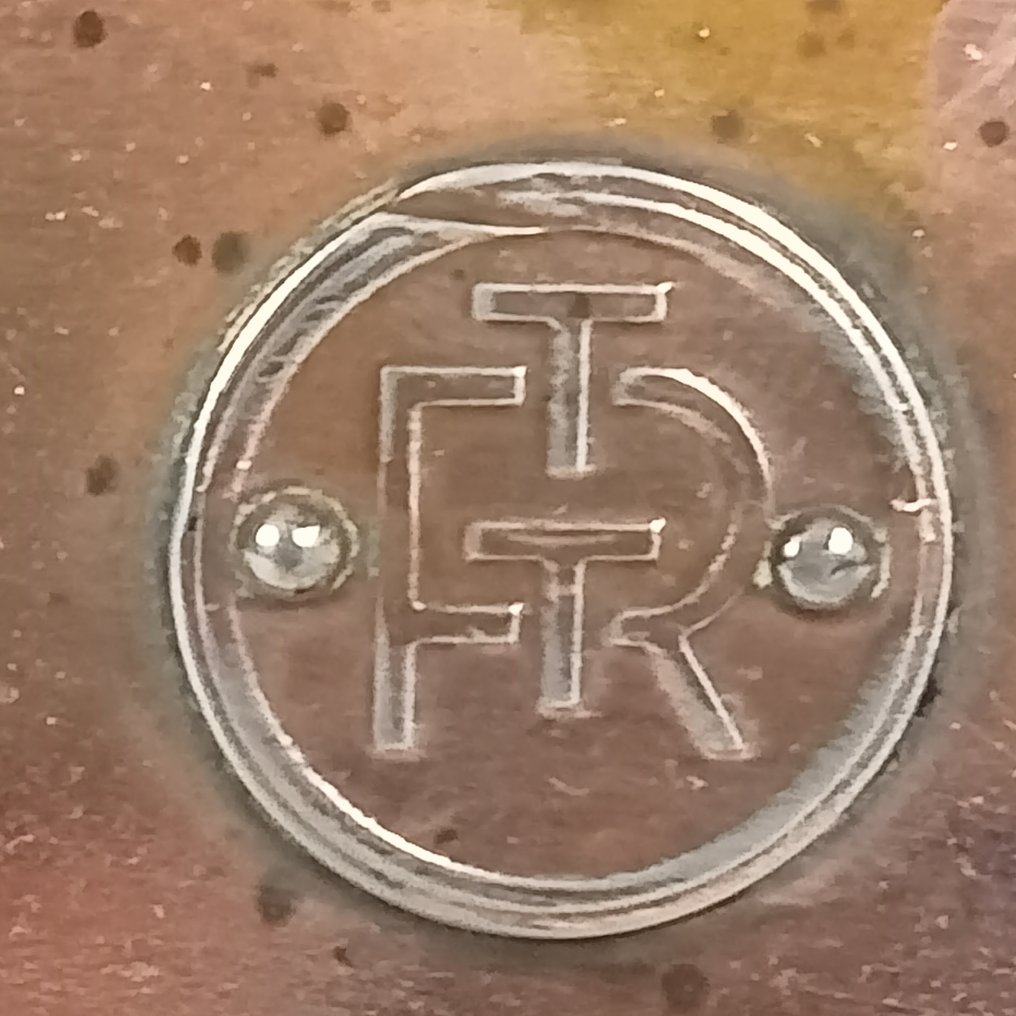
Very beautiful and probably still working analogue telephone. The phone was produced in Belgium on behalf of the Belgian state telephone company, RTT (Regie der Telegraaf en Telefoon), the former Belgian state enterprise for telephony. The phone is of the RTT 56 type, introduced to the market in 1956. This device is of type A (see photo of the bottom). This means it was manufactured by the Antwerp-based company ATEA (Antwerp Telephone and Electric Works).
There were two companies at the time that made this type of equipment: ATEA and BTMC (Bell Telephone Manufacturing Cie). Both companies were based in Antwerp. BTMC produced the type B.
The design of the ATEA 56 is based on a pre-war design by ATEA, the model 50/51 ATEAPHONE. This ATEAPHONE had a fully metal casing and a bakelite horn. Some modifications included the carrying handle and a different model horn (see photos).
RTT did not choose to destroy the equipment that was decommissioned at the time. As a result, you can still frequently encounter the RTT 56, in various places around the world, in many different variants. Some have been painted in various colors, others have received painted decorations, and some have been vandalized. It was also very common that after capture, phones were assembled from parts of different types, so you also find many mixed devices.
This device has the old copper casing. It came to the Netherlands at some point in its life and was probably used. The latter was quite common, especially after the war, when there was a significant shortage of materials and supplies.
The height of the device is 14cm, the width of the horn is 23cm, and the depth is 14cm. The weight is 2.7kg.
This phone has a copper housing with a brass support bracket and a rotary dial (see photos) and a bakelite knob on which the receiver rests, along with a bakelite receiver. This phone has probably not been exposed to much sunlight, as the color of the bakelite has hardly faded.
A nice detail about this device is the earth button. The earth button was used in combination with a home telephone exchange. During an external call, pressing the earth button would put the call on hold and the internal dial tone would be heard, allowing for an internal conversation (consultation). Informally, this button was also called the 'consultation button.' The earth button can be seen in the photo as the white button on the device. The earth button on this device is probably stuck (due to some impact).
The phone is very likely still operational, but verifying this may be difficult. It is an iconic device that incorporates both old elements (black bakelite with copper and brass) and newer features (more modern design). Although the phone is about 60 years old and has been used for many years, it still looks excellent. The copper and brass are still somewhat shiny, but they can be polished to resemble gold.
It is a typical vintage device that fits into any decor, takes you back to bygone times, and is certainly a conversation piece.
The phone will be carefully packed and shipped insured.
Very beautiful and probably still working analogue telephone. The phone was produced in Belgium on behalf of the Belgian state telephone company, RTT (Regie der Telegraaf en Telefoon), the former Belgian state enterprise for telephony. The phone is of the RTT 56 type, introduced to the market in 1956. This device is of type A (see photo of the bottom). This means it was manufactured by the Antwerp-based company ATEA (Antwerp Telephone and Electric Works).
There were two companies at the time that made this type of equipment: ATEA and BTMC (Bell Telephone Manufacturing Cie). Both companies were based in Antwerp. BTMC produced the type B.
The design of the ATEA 56 is based on a pre-war design by ATEA, the model 50/51 ATEAPHONE. This ATEAPHONE had a fully metal casing and a bakelite horn. Some modifications included the carrying handle and a different model horn (see photos).
RTT did not choose to destroy the equipment that was decommissioned at the time. As a result, you can still frequently encounter the RTT 56, in various places around the world, in many different variants. Some have been painted in various colors, others have received painted decorations, and some have been vandalized. It was also very common that after capture, phones were assembled from parts of different types, so you also find many mixed devices.
This device has the old copper casing. It came to the Netherlands at some point in its life and was probably used. The latter was quite common, especially after the war, when there was a significant shortage of materials and supplies.
The height of the device is 14cm, the width of the horn is 23cm, and the depth is 14cm. The weight is 2.7kg.
This phone has a copper housing with a brass support bracket and a rotary dial (see photos) and a bakelite knob on which the receiver rests, along with a bakelite receiver. This phone has probably not been exposed to much sunlight, as the color of the bakelite has hardly faded.
A nice detail about this device is the earth button. The earth button was used in combination with a home telephone exchange. During an external call, pressing the earth button would put the call on hold and the internal dial tone would be heard, allowing for an internal conversation (consultation). Informally, this button was also called the 'consultation button.' The earth button can be seen in the photo as the white button on the device. The earth button on this device is probably stuck (due to some impact).
The phone is very likely still operational, but verifying this may be difficult. It is an iconic device that incorporates both old elements (black bakelite with copper and brass) and newer features (more modern design). Although the phone is about 60 years old and has been used for many years, it still looks excellent. The copper and brass are still somewhat shiny, but they can be polished to resemble gold.
It is a typical vintage device that fits into any decor, takes you back to bygone times, and is certainly a conversation piece.
The phone will be carefully packed and shipped insured.
Details
Era
1900-2000
Weight
2.3 kg
Title additional information
Vintage
No. of items
1
Country of Origin
Belgium
Manufacturer/ Brand
ATEA 'The Antwerp Telephone and Electrical Works'
Model
RTT 56
Material
Bakelite, Brass, Copper
Style
Vintage
Condition
Good condition - used with small signs of aging & blemishes
Height
13 cm
Width
25 cm
Depth
19 cm
In Working Order
Yes
Estimated Period
1956 - 1965