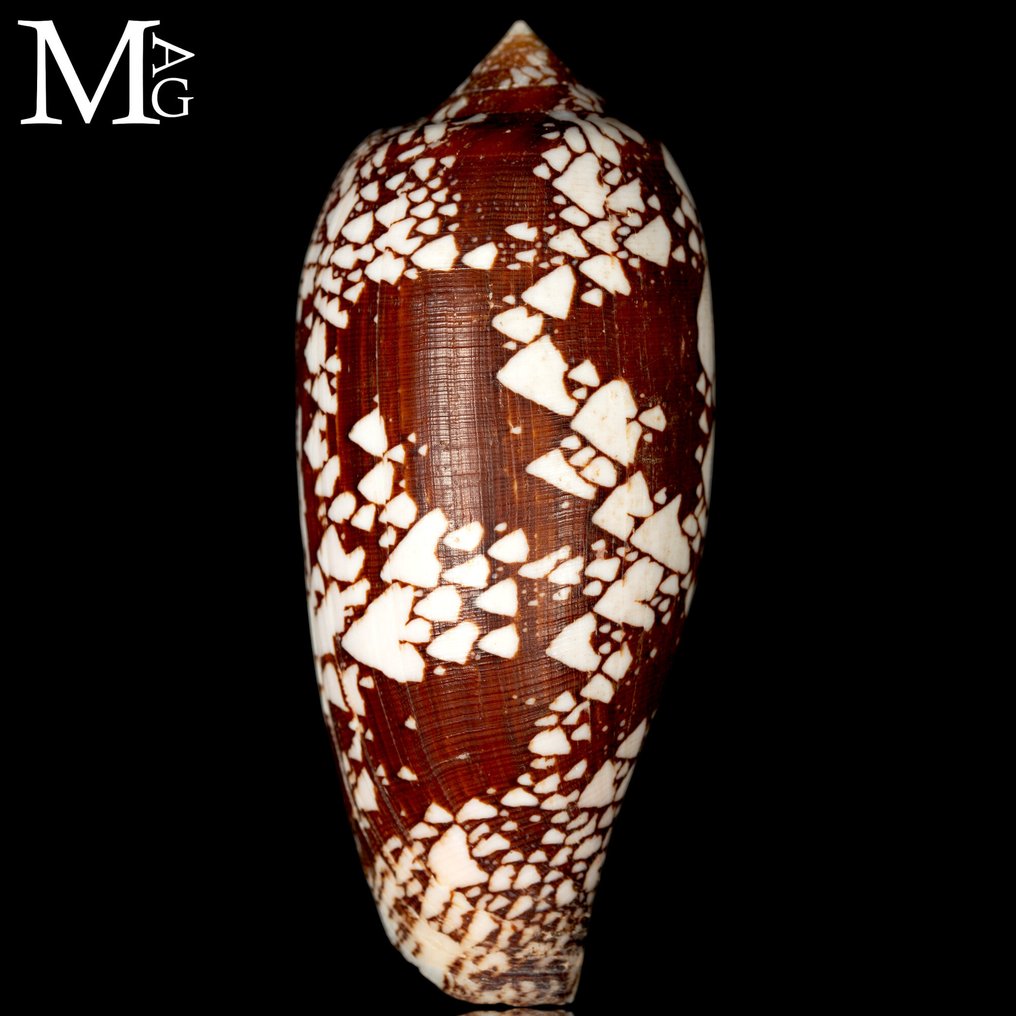
The 'Prince Cone' 132mm Top!! Conus Aulicus f. Propenudus - Height: 132 mm - Width: 55 mm- 124 g



01
day
23
hours
17
minutes
45
seconds
Current bid
€ 45
Reserve price not met

Expert
Selected by Jonas Rathaj
Has worked with taxidermy since childhood and gained retailer experience.
Estimate € 170 - € 200
13 other people are watching this object
 Bidder 6916 Bidder 6916 | €45 | |
|---|---|---|
| Bidder 6916 | €40 | |
| Bidder 6916 | €35 | |
Catawiki Buyer Protection
Your payment’s safe with us until you receive your object.View details
Trustpilot 4.4 | 123779 reviews
Rated Excellent on Trustpilot.
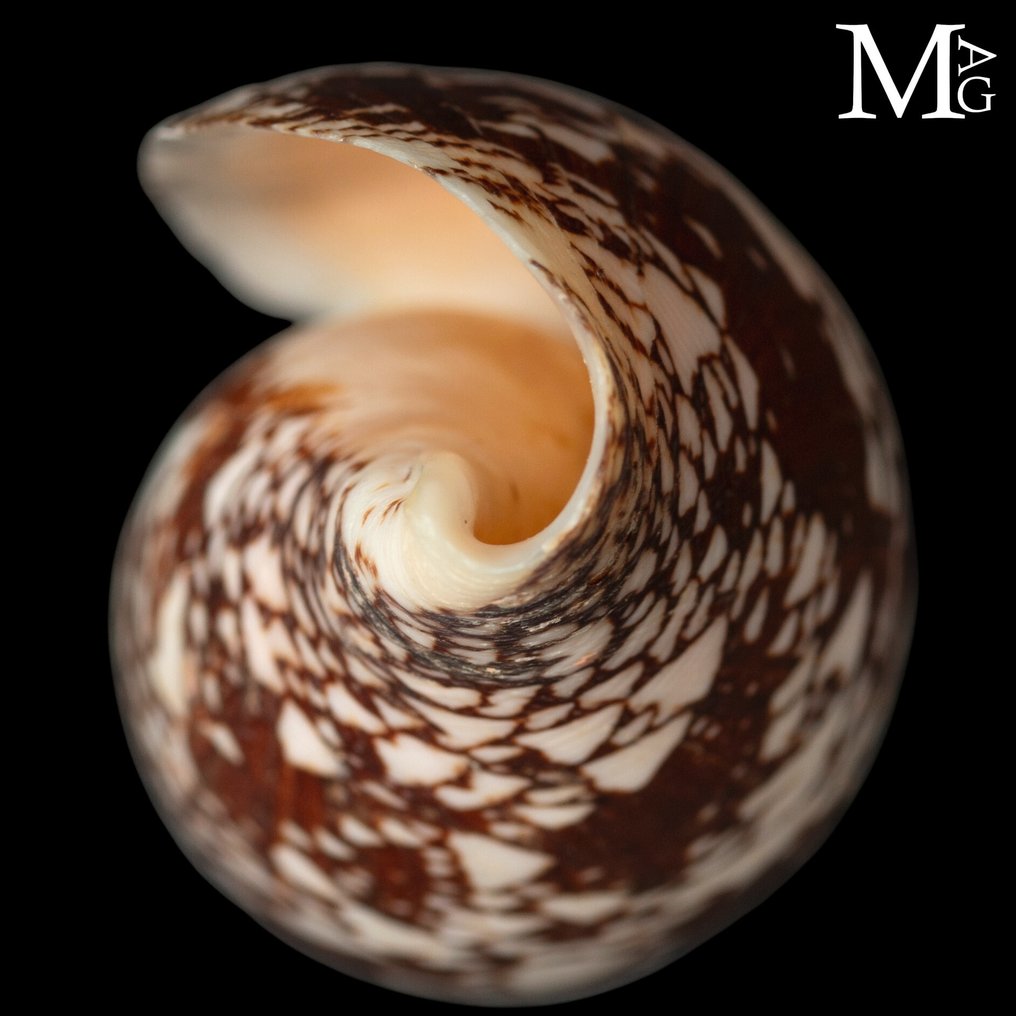
Specimen of Conus aulicus f. propenudus from Oman, commonly known as the Prince Cone, measuring 132 mm in height, 55 mm in width, and 48.5 mm in depth, and weighing 124 g.
AI-assisted summary
Description from the seller
The Conus aulicus, also known as 'Prince Cone' for its refinement, is one of the species in the family Conidae. This specimen, in the propenudus form, from the coasts of Oman, reaches 132 mm, a considerable size that increases its collectible value. The shell is distinguished by its reddish-brown background, decorated with an intricate pattern of white triangular and irregular spots that create a mosaic-like motif, in strong chromatic contrast. This pattern, characteristic of the propenudus form, gives the shell a unique and unmistakable appearance, with variations that make each specimen unrepeatable. Beyond its aesthetic charm, the Conus aulicus is considered a milestone in malacological collections: a timeless classic that cannot be missing from collections dedicated to Conidae.
Seller's Story
The Mineral Art Gallery offers minerals, fossils, shells and natural elements.
Born in Italy in 2017, today she collaborates with international galleries and collectors, she is a direct importer of large minerals and naturalistic collectible elements; deals with the processing to insert them inside the living space. A section of the gallery was dedicated to the Wunderkammer, "chamber of wonders or cabinet of curiosities" in which Mirabilia elements are presented: naturalia and italiania, a union between "the present is the past".
All lots are shipped via DHL Express and Fercam couriers, with insured parcel and tracking.
Translated by Google TranslateThe Conus aulicus, also known as 'Prince Cone' for its refinement, is one of the species in the family Conidae. This specimen, in the propenudus form, from the coasts of Oman, reaches 132 mm, a considerable size that increases its collectible value. The shell is distinguished by its reddish-brown background, decorated with an intricate pattern of white triangular and irregular spots that create a mosaic-like motif, in strong chromatic contrast. This pattern, characteristic of the propenudus form, gives the shell a unique and unmistakable appearance, with variations that make each specimen unrepeatable. Beyond its aesthetic charm, the Conus aulicus is considered a milestone in malacological collections: a timeless classic that cannot be missing from collections dedicated to Conidae.
Seller's Story
The Mineral Art Gallery offers minerals, fossils, shells and natural elements.
Born in Italy in 2017, today she collaborates with international galleries and collectors, she is a direct importer of large minerals and naturalistic collectible elements; deals with the processing to insert them inside the living space. A section of the gallery was dedicated to the Wunderkammer, "chamber of wonders or cabinet of curiosities" in which Mirabilia elements are presented: naturalia and italiania, a union between "the present is the past".
All lots are shipped via DHL Express and Fercam couriers, with insured parcel and tracking.
Translated by Google TranslateDetails
Main Mineral
The 'Prince Cone' 132mm Top!!
Mineral Form
Conus Aulicus f. Propenudus
Weight
124 g
Country of Origin
Oman
Height
132 mm
Width
55 mm
Depth
48.5 mm
Sold by