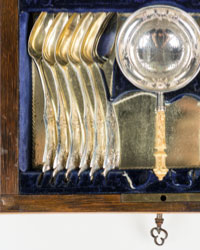
Vari produttori - Drinking set (66) - Crystal


Opens tomorrow
Starting bid
€ 1
Add to your favourites to get an alert when the auction starts.

Catawiki Buyer Protection
Your payment’s safe with us until you receive your object.View details
Trustpilot 4.4 | 127239 reviews
Rated Excellent on Trustpilot.
Description from the seller
Set of 66 crystal glasses from various brands consisting of: photo 3 – 6 flute glasses height 20 x 5 cm and 4 flutes height 23 x 5.3 cm in transparent hand-cut crystal. The maker's mark acid-etched on the underside of the base: Italian producer Rocco Bormioli. The Bormioli family began mastering the technical foundations of glassmaking around the year 1000, when, in the Ligurian village of Altare, it gave birth to one of the most important glassmaking communities in Europe. The relationship between the Bormioli family, the art of glass, and the city of Parma began in 1854, when brothers Domenico, Rocco and Carlo Bormioli bought the “Reale Fabbrica delle maioliche e dei vetri” in Strada Farnese. Both entrepreneurs, Bormioli Rocco was born in Parma in 1897 and died in 1974, Pier Luigi was born in Parma in 1929 and died in Milan in 1991. Rocco, nephew and namesake of the founder, led the family business and gave it a historic turn: traditional glassmaking (handmade and blown) gradually shifted to fully automated processes. Knight of labor, in the sixties he effectively passed the reins to his son Pier Luigi, who assumed the role of general manager in 1966 and then the presidency in 1974, transforming the Bormioli group into one of the major protagonists of the European glass industry. He was the first entrepreneur from Parma to hire personnel with disabilities and some released from the Colorno psychiatric hospital. Upon his death the presidency of the group passed to the eldest son Rocco, who worked alongside his three brothers and three cousins Tirelli (sons of Giuseppina Bormioli, Pier Luigi’s sister). Photo 5 – 4 flute glasses, French producer Luminarc, vintage collection. Founded in Arques in 1948, Luminarc is today one of the world’s leading tableware brands. It spreads its French style beyond borders to almost 160 countries, with 400 million glass articles sold each year. Every day, Luminarc moves to conquer the five continents to offer consumers products whose shapes, capacities, as well as colors and decorations, correspond to local customs. Photo 7 – 4 water glasses height 15.9 x diameter 6.6 cm, Bohemian crystal from the 1980s, engraved/carved with floral/geometric motifs. Photo 9 - 4 flutes height 17.9 x diameter 6.7 cm, Mantegna model by Luigi Bormioli. Description: Transparent, simple foot in a V shape, textured. Condition: Broken. Current: 2001 – 2002. Photo 11 – 4 martini glasses, Luminarc, France, 1980s. Size: height 15.9 x diameter 9.5 cm. Photo 13 – flute glass, height 16.9 x diameter 5.9 cm, St Louis producer, Caton model. Description: Clear bowl with panel cut, stem in domed knop, no refinements. Condition: Active. Current: 1877. Photo 14 – 2 champagne coupes produced in Empoli in the 1930s, Art Deco, height 11.5 x diameter 10.5 cm. Photo 16 – 2 long drink glasses height 15.1 x diameter 7 cm, Harcourt-Versailles (Cut) model by Baccarat. Description: Panel cut design on the bowl, multi-faceted foot. Condition: Active. Current: 1841. Unmarked. Photo 18 – 4 goblets with cobalt blue stem and incised decoration on the upper rim, height 12 x diameter 7.7 cm, Luminarc, France, 1980s. Photo 20 – 4 water glasses height 10 x 7.1 cm produced in Empoli in the 1980s. Photo 22 – 4 port wine glasses height 12.9 x diameter 5.6 cm, produced in Empoli in the 1980s. Description: Cross-cut design on the bowl. Condition: Broken. Photo 24 – 2 glasses with handle height 10 x diameter 7.7 cm. Refined espresso coffee set. Each cup is handmade in frosted glass, with an elegant and structured shape, enhanced by a delicate translucent shade that echoes the color palette characterizing this set, produced in Turkey in the 1970s. Photo 26 – 2 port glasses height 11.4 x diameter 5.9 cm. Dram glasses, deceptive 19th-century glassware in heavy colorless mouth-blown and hand-finished glass. Toastmaster or innkeeper glasses used to prevent the toastmaster from getting drunk. They contain a lot of glass and very little liquid. A measuring line in this type of glass is relatively rare. Features: Faceted in the lower cup with a pressed knot stem and a circular foot. Made in England, circa 1820. George IV period. Photo 28 – 5 port glasses height 10.7 x diameter 4.9 cm made in France in the first decade of the 20th century. Engraved bowls and button-like stems. Photo 30 – wine glass height 12 x diameter 8.9 cm signed Daum, France 1970s. Description: Clean cut bowl and foot, no refinements. Condition: Broken. Photo 31 – 3 port wine glasses height 11.3 x diameter 5.6 cm, mouth-blown crystal, gondola-shaped Mirabeau Baccarat with flat-cut facets and baluster feet and double baluster. As they are handmade and mouth-blown, dimensions may vary slightly. French 19th-century glasses, circa 1880. Unmarked because produced before 1936. Photo 29 – 5 liqueur glasses height 7.4 x 6.3 cm produced in England in the 19th century (rare). Photo 35 – 5 small cordial glasses with long stems height 8.2 x diameter 4 cm. Tells of an era when aperitif had different rituals. Vermouth and bitters smooth, or with little ice, were the undisputed protagonists. Cocktails? Shorter than today, because ice was a luxury. Dosed in small amounts… perhaps to be enjoyed twice. Photo 37 – 4 liqueur glasses height 6.4 x diameter 6.2 cm produced in England in the 19th century (rare).
Set of 66 crystal glasses from various brands consisting of: photo 3 – 6 flute glasses height 20 x 5 cm and 4 flutes height 23 x 5.3 cm in transparent hand-cut crystal. The maker's mark acid-etched on the underside of the base: Italian producer Rocco Bormioli. The Bormioli family began mastering the technical foundations of glassmaking around the year 1000, when, in the Ligurian village of Altare, it gave birth to one of the most important glassmaking communities in Europe. The relationship between the Bormioli family, the art of glass, and the city of Parma began in 1854, when brothers Domenico, Rocco and Carlo Bormioli bought the “Reale Fabbrica delle maioliche e dei vetri” in Strada Farnese. Both entrepreneurs, Bormioli Rocco was born in Parma in 1897 and died in 1974, Pier Luigi was born in Parma in 1929 and died in Milan in 1991. Rocco, nephew and namesake of the founder, led the family business and gave it a historic turn: traditional glassmaking (handmade and blown) gradually shifted to fully automated processes. Knight of labor, in the sixties he effectively passed the reins to his son Pier Luigi, who assumed the role of general manager in 1966 and then the presidency in 1974, transforming the Bormioli group into one of the major protagonists of the European glass industry. He was the first entrepreneur from Parma to hire personnel with disabilities and some released from the Colorno psychiatric hospital. Upon his death the presidency of the group passed to the eldest son Rocco, who worked alongside his three brothers and three cousins Tirelli (sons of Giuseppina Bormioli, Pier Luigi’s sister). Photo 5 – 4 flute glasses, French producer Luminarc, vintage collection. Founded in Arques in 1948, Luminarc is today one of the world’s leading tableware brands. It spreads its French style beyond borders to almost 160 countries, with 400 million glass articles sold each year. Every day, Luminarc moves to conquer the five continents to offer consumers products whose shapes, capacities, as well as colors and decorations, correspond to local customs. Photo 7 – 4 water glasses height 15.9 x diameter 6.6 cm, Bohemian crystal from the 1980s, engraved/carved with floral/geometric motifs. Photo 9 - 4 flutes height 17.9 x diameter 6.7 cm, Mantegna model by Luigi Bormioli. Description: Transparent, simple foot in a V shape, textured. Condition: Broken. Current: 2001 – 2002. Photo 11 – 4 martini glasses, Luminarc, France, 1980s. Size: height 15.9 x diameter 9.5 cm. Photo 13 – flute glass, height 16.9 x diameter 5.9 cm, St Louis producer, Caton model. Description: Clear bowl with panel cut, stem in domed knop, no refinements. Condition: Active. Current: 1877. Photo 14 – 2 champagne coupes produced in Empoli in the 1930s, Art Deco, height 11.5 x diameter 10.5 cm. Photo 16 – 2 long drink glasses height 15.1 x diameter 7 cm, Harcourt-Versailles (Cut) model by Baccarat. Description: Panel cut design on the bowl, multi-faceted foot. Condition: Active. Current: 1841. Unmarked. Photo 18 – 4 goblets with cobalt blue stem and incised decoration on the upper rim, height 12 x diameter 7.7 cm, Luminarc, France, 1980s. Photo 20 – 4 water glasses height 10 x 7.1 cm produced in Empoli in the 1980s. Photo 22 – 4 port wine glasses height 12.9 x diameter 5.6 cm, produced in Empoli in the 1980s. Description: Cross-cut design on the bowl. Condition: Broken. Photo 24 – 2 glasses with handle height 10 x diameter 7.7 cm. Refined espresso coffee set. Each cup is handmade in frosted glass, with an elegant and structured shape, enhanced by a delicate translucent shade that echoes the color palette characterizing this set, produced in Turkey in the 1970s. Photo 26 – 2 port glasses height 11.4 x diameter 5.9 cm. Dram glasses, deceptive 19th-century glassware in heavy colorless mouth-blown and hand-finished glass. Toastmaster or innkeeper glasses used to prevent the toastmaster from getting drunk. They contain a lot of glass and very little liquid. A measuring line in this type of glass is relatively rare. Features: Faceted in the lower cup with a pressed knot stem and a circular foot. Made in England, circa 1820. George IV period. Photo 28 – 5 port glasses height 10.7 x diameter 4.9 cm made in France in the first decade of the 20th century. Engraved bowls and button-like stems. Photo 30 – wine glass height 12 x diameter 8.9 cm signed Daum, France 1970s. Description: Clean cut bowl and foot, no refinements. Condition: Broken. Photo 31 – 3 port wine glasses height 11.3 x diameter 5.6 cm, mouth-blown crystal, gondola-shaped Mirabeau Baccarat with flat-cut facets and baluster feet and double baluster. As they are handmade and mouth-blown, dimensions may vary slightly. French 19th-century glasses, circa 1880. Unmarked because produced before 1936. Photo 29 – 5 liqueur glasses height 7.4 x 6.3 cm produced in England in the 19th century (rare). Photo 35 – 5 small cordial glasses with long stems height 8.2 x diameter 4 cm. Tells of an era when aperitif had different rituals. Vermouth and bitters smooth, or with little ice, were the undisputed protagonists. Cocktails? Shorter than today, because ice was a luxury. Dosed in small amounts… perhaps to be enjoyed twice. Photo 37 – 4 liqueur glasses height 6.4 x diameter 6.2 cm produced in England in the 19th century (rare).
Details
Era
1900-2000
Weight
0 g
No. of items
66
Material
Crystal
Manufacturer/ Brand
Vari produttori
Country of Origin
Europe
Condition
Good condition - used with small signs of aging & blemishes
Height
0 cm
Width
0 cm
Depth
0 cm
Estimated Period
between the 19th and the 20th centuries
Sold by