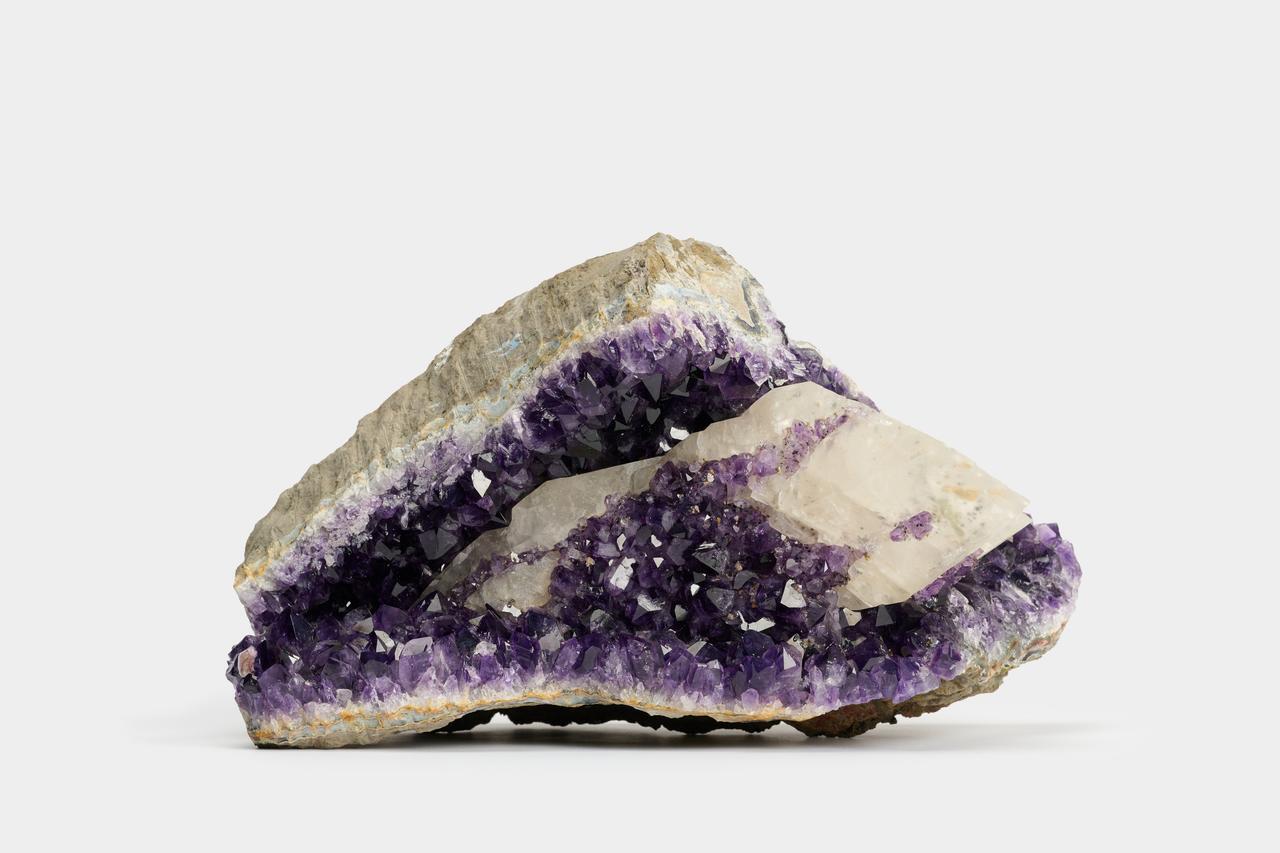
Magnificent pyrite sphere. Sphere - Height: 60 mm - Width: 60 mm- 340 g - (1)


Opens tomorrow
Starting bid
€ 1
Add to your favourites to get an alert when the auction starts.

Expert
Selected by Antonio Rapisarda
Holds a master’s in chemistry with 25 years’ experience in minerals consulting.
Estimate € 150 - € 200
Catawiki Buyer Protection
Your payment’s safe with us until you receive your object.View details
Trustpilot 4.4 | 127923 reviews
Rated Excellent on Trustpilot.
Description from the seller
The name of this gemstone comes from the Greek "pyrites lithos" meaning "stone of sparks." It is also called "fool's gold." This nickname arises from its deceptive golden luster that misled many miners, especially during the Gold Rush in the United States, making them believe they had discovered real gold veins. It was also named "the stone of the Incas" due to its importance in Inca culture.
In prehistoric times, pyrite was already known. By striking it against another stone, such as flint, it produced sparks and was used to light fires. Artifacts found at archaeological sites show that this method was used by many prehistoric cultures around the world.
In ancient Greece, it was used to create jewelry.
Among the Incas, it was used in religious rituals and ceremonies. Because of its golden luster, it was considered a sacred stone associated with the Sun, which the Incas revered as a god. It was polished to serve as mirrors used in rituals. They also used it in the creation of jewelry and ornaments.
Medieval alchemists were fascinated by this fine stone due to its misleading resemblance to real gold. Although it contains no gold, alchemists believed it possessed mystical properties that could be exploited to transmute it into gold.
This gemstone was sometimes used as a source of golden pigment in art and decoration. In particular, illuminated manuscripts and some medieval paintings used pyrite powders to create golden and metallic effects. This practice was not as common as the use of real gold leaf, but it offered a cheaper alternative.
During the Victorian era, jewelers used it for making jewelry such as brooches, rings, necklaces, and others, due to its attractive golden shine. This practice was especially popular because it offered an affordable and aesthetic alternative.
We had to wait until the mid-19th century for it to be designated by its current name, given by the Austrian mineralogist Wilhelm Karl Ritter von Haidinger.
About shipping:
With us, you can always count on careful and reliable shipping. please therefore pay promptly to avoid delays.
When you buy several lots, you only pay shipping charges once,
Make sure that each lot is eligible for combined shipping.
About our lots:
We prioritize excellent customer service and reliability, as your experience and satisfaction are of the utmost importance to us. Do not hesitate to browse our fantastic reviews from other buyers, which show that we are highly rated. Each of our items is photographed individually, ensuring that the attached photos accurately represent the actual item for sale.
The name of this gemstone comes from the Greek "pyrites lithos" meaning "stone of sparks." It is also called "fool's gold." This nickname arises from its deceptive golden luster that misled many miners, especially during the Gold Rush in the United States, making them believe they had discovered real gold veins. It was also named "the stone of the Incas" due to its importance in Inca culture.
In prehistoric times, pyrite was already known. By striking it against another stone, such as flint, it produced sparks and was used to light fires. Artifacts found at archaeological sites show that this method was used by many prehistoric cultures around the world.
In ancient Greece, it was used to create jewelry.
Among the Incas, it was used in religious rituals and ceremonies. Because of its golden luster, it was considered a sacred stone associated with the Sun, which the Incas revered as a god. It was polished to serve as mirrors used in rituals. They also used it in the creation of jewelry and ornaments.
Medieval alchemists were fascinated by this fine stone due to its misleading resemblance to real gold. Although it contains no gold, alchemists believed it possessed mystical properties that could be exploited to transmute it into gold.
This gemstone was sometimes used as a source of golden pigment in art and decoration. In particular, illuminated manuscripts and some medieval paintings used pyrite powders to create golden and metallic effects. This practice was not as common as the use of real gold leaf, but it offered a cheaper alternative.
During the Victorian era, jewelers used it for making jewelry such as brooches, rings, necklaces, and others, due to its attractive golden shine. This practice was especially popular because it offered an affordable and aesthetic alternative.
We had to wait until the mid-19th century for it to be designated by its current name, given by the Austrian mineralogist Wilhelm Karl Ritter von Haidinger.
About shipping:
With us, you can always count on careful and reliable shipping. please therefore pay promptly to avoid delays.
When you buy several lots, you only pay shipping charges once,
Make sure that each lot is eligible for combined shipping.
About our lots:
We prioritize excellent customer service and reliability, as your experience and satisfaction are of the utmost importance to us. Do not hesitate to browse our fantastic reviews from other buyers, which show that we are highly rated. Each of our items is photographed individually, ensuring that the attached photos accurately represent the actual item for sale.
Details
Number of items
1
Main Mineral
Magnificent pyrite sphere.
Mineral Form
Sphere
Weight
340 g
Country of Origin
Peru
Height
60 mm
Width
60 mm
Sold by