Étagère - Glass, Rosewood


03
days
17
hours
41
minutes
17
seconds
Starting bid
€ 1
Reserve price not met

Expert
Selected by Anna Hue-Roques
Holds bachelor's degrees in Law and Art History with an Ecole du Louvre auctioneer diploma.
Estimate € 450 - € 500
No bids placed
Catawiki Buyer Protection
Your payment’s safe with us until you receive your object.View details
Trustpilot 4.4 | 131065 reviews
Rated Excellent on Trustpilot.
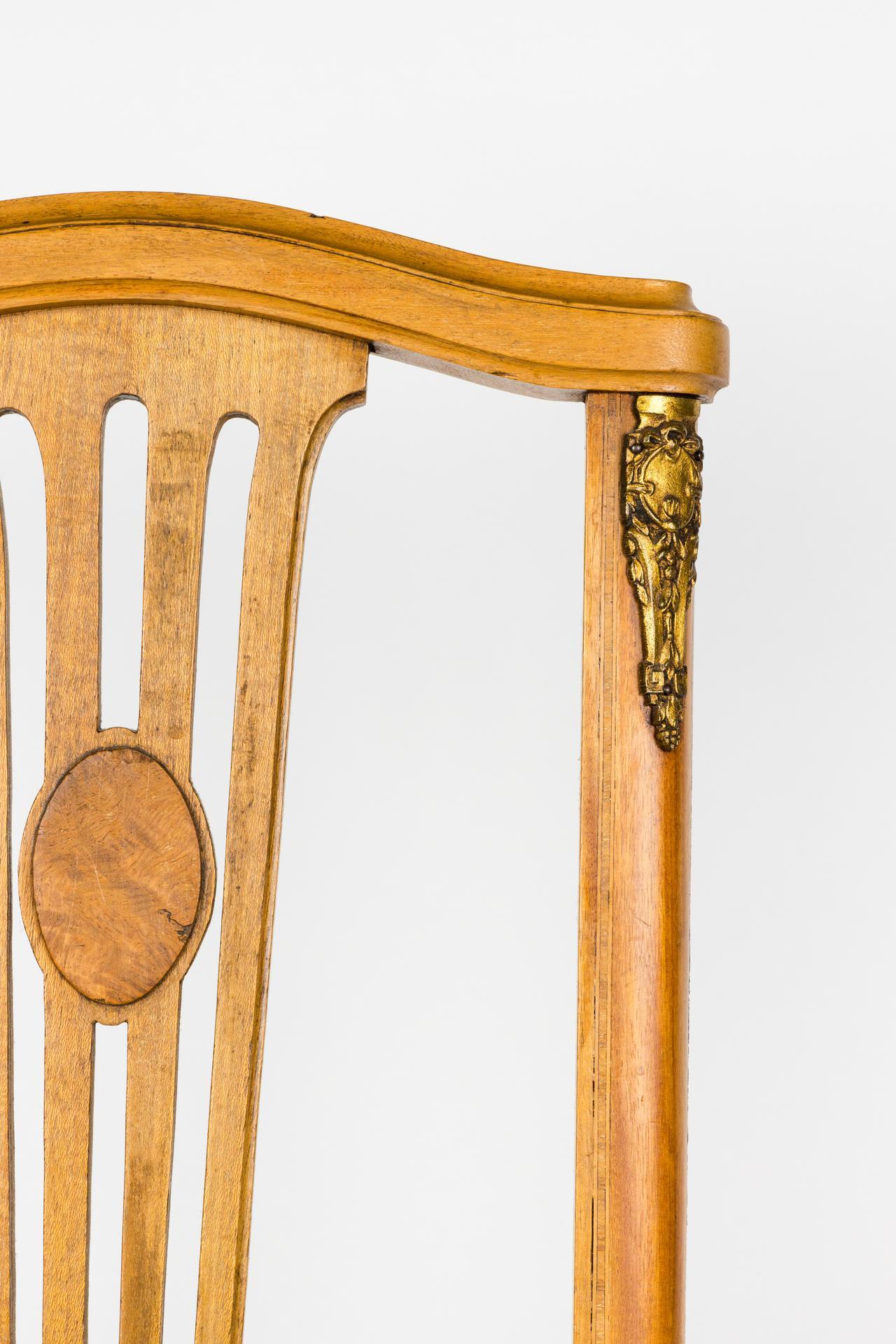
Etagère in palissandro wood with mercury mirrors, Luigi Filippo style, Napoli, Italy, dating to about 1850–1900, in palissandro and glass, in good condition with minor signs of age.
AI-assisted summary
Description from the seller
This refined étagère represents a precious example of Neapolitan furniture from the Louis-Philippe era (1830-1848), crafted in rosewood, an exotic wood highly valued for its dark grain and natural luster. The mercury mirrors, with their characteristic silvered patina, attest to the excellence of nineteenth-century Neapolitan craftsmanship. These pieces adorned the drawing rooms of aristocratic families and the Neapolitan upper bourgeoisie, where they were used to display porcelain, precious objects, and curiosities, symbolizing refinement and social prestige.
Naples rosewood étagères are particularly sought after by collectors of Italian nineteenth-century furniture and by enthusiasts of period interiors for the superior quality of the wood and the mastery of artisanal craftsmanship. The Neapolitan antiques market values these pieces for the elegance of the sinuous lines typical of the Louis-Philippe style, the authenticity of original mercury mirrors, and the rarity of rosewood compared to the more common mahogany. Interior designers and Italian and European collectors actively seek these pieces for their ability to confer historical character and refinement to contemporary spaces.
Seller's Story
Welcome to our profile. We are antique enthusiasts with a deep passion for art, history, and the charm of the past, cultivated through years of research and dedication. On Catawiki we offer a careful and curated selection of antiques: from period furniture to refined objets d'art, up to paintings and sculptures of quality.
Our goal is to offer collectors and lovers of beauty authentic pieces, selected rigorously for their quality, rarity, and condition. We guarantee maximum transparency in descriptions, detailed photographs, and secure and professional packaging, so that these wonders of the past can reach your homes intact to continue their story.
Translated by Google TranslateThis refined étagère represents a precious example of Neapolitan furniture from the Louis-Philippe era (1830-1848), crafted in rosewood, an exotic wood highly valued for its dark grain and natural luster. The mercury mirrors, with their characteristic silvered patina, attest to the excellence of nineteenth-century Neapolitan craftsmanship. These pieces adorned the drawing rooms of aristocratic families and the Neapolitan upper bourgeoisie, where they were used to display porcelain, precious objects, and curiosities, symbolizing refinement and social prestige.
Naples rosewood étagères are particularly sought after by collectors of Italian nineteenth-century furniture and by enthusiasts of period interiors for the superior quality of the wood and the mastery of artisanal craftsmanship. The Neapolitan antiques market values these pieces for the elegance of the sinuous lines typical of the Louis-Philippe style, the authenticity of original mercury mirrors, and the rarity of rosewood compared to the more common mahogany. Interior designers and Italian and European collectors actively seek these pieces for their ability to confer historical character and refinement to contemporary spaces.
Seller's Story
Welcome to our profile. We are antique enthusiasts with a deep passion for art, history, and the charm of the past, cultivated through years of research and dedication. On Catawiki we offer a careful and curated selection of antiques: from period furniture to refined objets d'art, up to paintings and sculptures of quality.
Our goal is to offer collectors and lovers of beauty authentic pieces, selected rigorously for their quality, rarity, and condition. We guarantee maximum transparency in descriptions, detailed photographs, and secure and professional packaging, so that these wonders of the past can reach your homes intact to continue their story.
Translated by Google TranslateDetails
Era
1400-1900
Weight
50 kg
Style subtype
Louis Philippe
Specific region of origin
Napoli
Country of origin
Italy
Material
Glass, Rosewood
Style
Antique
Condition
Good condition - used with small signs of aging & blemishes
Height
181 cm
Width
108 cm
Depth
57 cm
Estimated period
1850-1900
Can Be Locked
No
Sold by