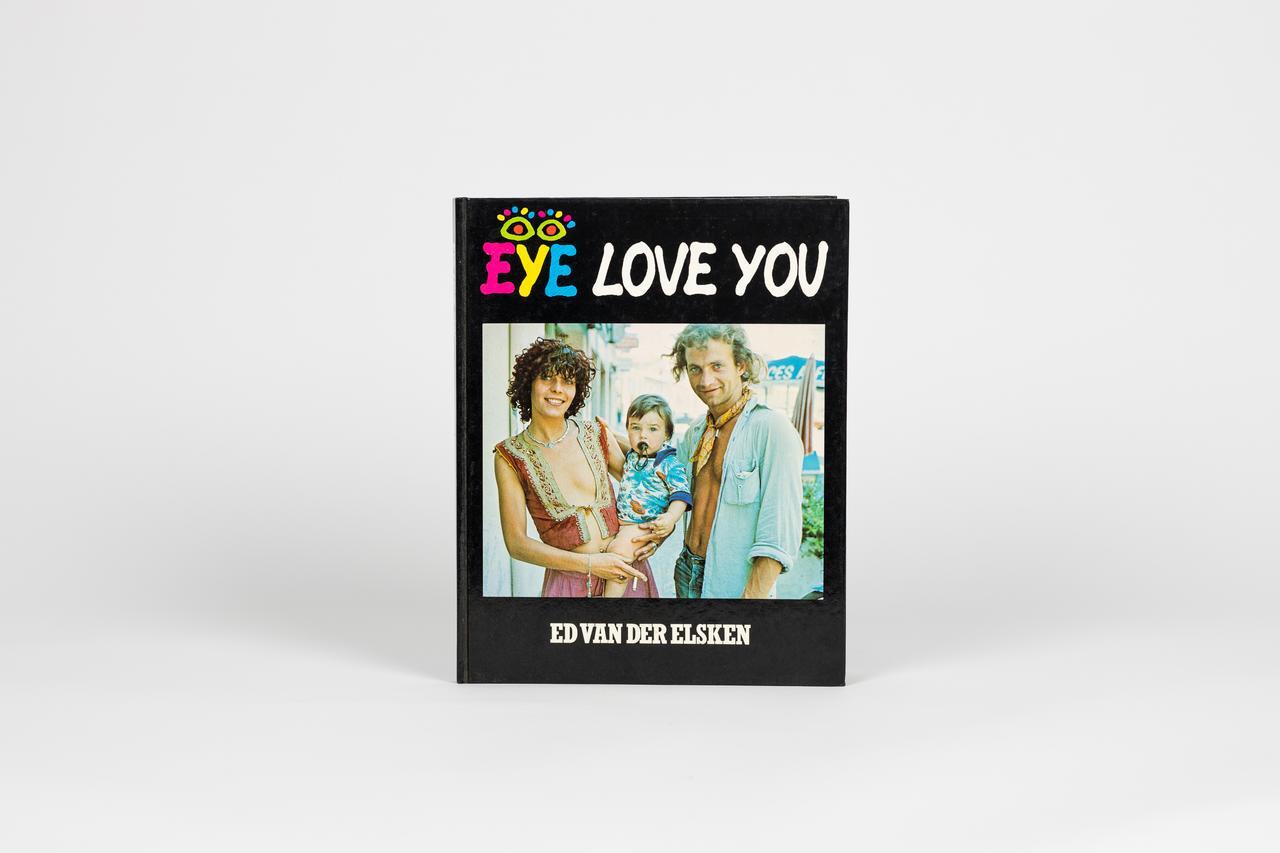
Jean Cassou - Piaubert - 1951


06
days
03
hours
27
minutes
49
seconds
1 other person has their eye on this
 Bidder 3750 Bidder 3750 | €1 |
|---|
Catawiki Buyer Protection
Your payment’s safe with us until you receive your object.View details
Trustpilot 4.4 | 130932 reviews
Rated Excellent on Trustpilot.
Description from the seller
Signed by Piaubert
Jean Cassou - Piaubert. Preface by H. Bing-Bodmer - Paris, Galerie Bing, "Arts", 1951 - small 8vo - 77 pp. - 15.5 X 20.5 cm.
Condition: excellent. Loose-leaf, cover gilded, case. Original edition, limited to 500 numbered copies on Lana paper. (Nr 22) Copy enhanced with a dedication from the artist.
Track and trace.
Professional packing.
Sent insured
---------------------------------------------
Raphaël Jean Lépold Cassou, known as Jean Cassou, born July 9, 1897 in Bilbao and died January 15, 1986 in Paris, was a French writer, resistant, museum curator, art critic, translator, and poet. He was also the founder-director of the National Museum of Modern Art in Paris and the first president of the Institute of Occitan Studies.
Jean Cassou was born in Bilbao in the Spanish Basque Country. His father was an engineer in the Arts and Manufactures, his mother was Andalusian. When the family settled in Saint-Quentin, Jean was four years old. His father died when he was only sixteen. Jean Cassou completed his secondary studies at the Charlemagne high school while supporting his family, then began a degree in Spanish at the Faculty of Letters of the Sorbonne in Paris. He pursued it in 1917 and 1918 while serving as a teaching assistant at the Bayonne high school and, repeatedly deferred, he was not mobilized for the Great War.
Secretary to Pierre Louÿs, from 1921 he kept the column "Spanish Letters" in Mercure de France, during which time he became friends with the Spanish poet Jorge Guillén, with whom he maintained a substantial correspondence. In 1923 he passed the competition to become a draftsman at the Ministry of Public Instruction and in 1926 published his first novel. From 1929 to 1931 he was literary adviser to J.-O. Fourcade editions, alongside Henri Michaux.
He was appointed inspector general of applied arts in 1929. Having become inspector of historical monuments in 1932, Jean Cassou in 1934 was a member of the Committee of Vigilance of antifascist intellectuals and director of the periodical Europe from 1936 to 1939.
In 1936, he received the Renaissance Prize for Les Massacres de Paris, from which came his “artist’s and poet’s sensitivity, his vivid, moving, and engaging vision.” Louis Aragon regarded Les Massacres de Paris as the model of a new realism, alongside André Malraux’s Temps du mépris, and as “the true starting point of the historical novel in our time and in our country.” For researcher Alexis Buffet, the novel, inspired by the context of the Popular Front, “renders the Commune a memorial stake within the antifascist strategy of defending culture.”
That same year, he joined the cabinet of Jean Zay, Minister of National Education and the Arts of the Popular Front. He was then favorable to aid to the Spanish Republic, drew closer to the Communist Party with which he broke in 1939 upon the German-Soviet pact. During the 1937 World Exhibition, he participated with Matisse, Braque, Picasso and Léger in the organizing committee of the exhibition “Origins and Development of Independent International Art,” which presented the international avant-garde of the time from July 30 to October 31, 1937 at the Jeu de Paume museum, dedicated to foreign schools since 1922.
In April 1940, he was assigned to the National Museum of Modern Art, which was about to open at the Palais de Tokyo, where he became deputy curator, then chief curator for a few weeks, before being removed from office in September 1940. As German armies approached, he was sent to the castle of Compiegne and devoted himself to safeguarding the national heritage.
The Occupation
Dismissed from his post as curator of the Museum of Modern Art by the Vichy regime, he joined the Resistance in September 1940, writing his first tracts. He protected Wilhelm Uhde. Reuniting with some of his friends who shared his views, Claude Aveline, Agnès Humbert, he met the clandestine group of the Museum of Man, Boris Vildé, Anatole Lewitsky and Paul Rivet. With Aveline, Agnès Humbert, Simone Martin-Chauffier, Marcel Abraham and Pierre Brossolette, he ensured the writing of the group’s Resistance journal (six issues from December 1940 to March 1941).
While many members of the Museum of Man group were arrested, he escaped the Gestapo and took refuge in Toulouse. An agent of the “Bertaux network” from August 1941. He was arrested in December 1941 for his activities at the Museum of Man and imprisoned at the military prison of Furgole in Toulouse, where he composed in his head, without being able to write them down, his Thirty-Three Sonnets composed in secret, clandestinely published in spring 1944 under the pseudonym of Jean Noir. Thanks to the Front national des musiciens, Henri Dutilleux learned of them and set one of the poems, La Geôle, to music. Darius Milhaud also composed for mixed voices, on six of his sonnets, including La Barque funéraire.
Released after a year in prison, he was sent by territorial surveillance to the Saint-Sulpice-la-Pointe internment camp. On the instructions of the Resistance to the director of ST, he was released in June 1943 and resumed his resistance activities as a regional inspector of the South Zone. He also edited the Cahiers de la Libération and chaired the Toulouse regional Liberation Committee. The Provisional Government of the French Republic appointed him in June 1944 as Commissioner of the Republic for the Toulouse region; there he rubbed shoulders with Serge Ravanel, regional leader of the FFI. In August, at the moment of the city’s liberation, his car met a German column: two of his companions were killed and he was left for dead. Transferred to the hospital in a coma, he was replaced but kept in his title, which he resigned after a year of convalescence.
After the war
Jean Cassou in 1945.
In 1945, Jean Cassou regained his post as chief curator of the National Museums and was named chief curator of the National Museum of Modern Art, a position he held until 1965. He was the first president of the Institute of Occitan Studies from 1945 to 1952 and in 1956 president of the National Committee of Writers. He also taught at the École du Louvre from 1961 to 1963. At the head of the Museum of Modern Art, he organized in 1953 an exhibition of American painters, the first in France for fifteen years, financed by the Congress for Cultural Freedom (CCF), which itself was funded by the CIA, but secretly — funding only publicly revealed in the United States in 1967. The artists appearing in this exhibition were dubbed “the twelve apostles of Dulles.”
Alongside these numerous activities, he continued his work and published, notably, in 1953, the pamphlet La Mémoire courte, “emblematic of the spirit of the Resistance” and a virulent response addressed to his friend Jean Paulhan.
In 1964, he became a member of the Flemish Academy of Fine Arts and of several other foreign academies.
From 1965 to 1970, he was a director of studies at the École pratique des hautes études.
He was an active member of the Peace Movement.
He was the brother-in-law of the philosopher Vladimir Jankélévitch (1903-1985), having married his sister, Ida Jankélévitch, born December 25, 1898 in Bourges and died March 16, 1982 in Paris.
His daughter is the wife of Gérard Athias (1928-2016), co-founder of the French Savings and Retirement Association (AFER).
Jean Cassou died on January 15, 1986 at his home at 4 Rue du Cardinal-Lemoine; he is buried in the Parisian cemetery of Thiais (in an anonymous grave of the 21st division). (cf. Wikipedia)
Signed by Piaubert
Jean Cassou - Piaubert. Preface by H. Bing-Bodmer - Paris, Galerie Bing, "Arts", 1951 - small 8vo - 77 pp. - 15.5 X 20.5 cm.
Condition: excellent. Loose-leaf, cover gilded, case. Original edition, limited to 500 numbered copies on Lana paper. (Nr 22) Copy enhanced with a dedication from the artist.
Track and trace.
Professional packing.
Sent insured
---------------------------------------------
Raphaël Jean Lépold Cassou, known as Jean Cassou, born July 9, 1897 in Bilbao and died January 15, 1986 in Paris, was a French writer, resistant, museum curator, art critic, translator, and poet. He was also the founder-director of the National Museum of Modern Art in Paris and the first president of the Institute of Occitan Studies.
Jean Cassou was born in Bilbao in the Spanish Basque Country. His father was an engineer in the Arts and Manufactures, his mother was Andalusian. When the family settled in Saint-Quentin, Jean was four years old. His father died when he was only sixteen. Jean Cassou completed his secondary studies at the Charlemagne high school while supporting his family, then began a degree in Spanish at the Faculty of Letters of the Sorbonne in Paris. He pursued it in 1917 and 1918 while serving as a teaching assistant at the Bayonne high school and, repeatedly deferred, he was not mobilized for the Great War.
Secretary to Pierre Louÿs, from 1921 he kept the column "Spanish Letters" in Mercure de France, during which time he became friends with the Spanish poet Jorge Guillén, with whom he maintained a substantial correspondence. In 1923 he passed the competition to become a draftsman at the Ministry of Public Instruction and in 1926 published his first novel. From 1929 to 1931 he was literary adviser to J.-O. Fourcade editions, alongside Henri Michaux.
He was appointed inspector general of applied arts in 1929. Having become inspector of historical monuments in 1932, Jean Cassou in 1934 was a member of the Committee of Vigilance of antifascist intellectuals and director of the periodical Europe from 1936 to 1939.
In 1936, he received the Renaissance Prize for Les Massacres de Paris, from which came his “artist’s and poet’s sensitivity, his vivid, moving, and engaging vision.” Louis Aragon regarded Les Massacres de Paris as the model of a new realism, alongside André Malraux’s Temps du mépris, and as “the true starting point of the historical novel in our time and in our country.” For researcher Alexis Buffet, the novel, inspired by the context of the Popular Front, “renders the Commune a memorial stake within the antifascist strategy of defending culture.”
That same year, he joined the cabinet of Jean Zay, Minister of National Education and the Arts of the Popular Front. He was then favorable to aid to the Spanish Republic, drew closer to the Communist Party with which he broke in 1939 upon the German-Soviet pact. During the 1937 World Exhibition, he participated with Matisse, Braque, Picasso and Léger in the organizing committee of the exhibition “Origins and Development of Independent International Art,” which presented the international avant-garde of the time from July 30 to October 31, 1937 at the Jeu de Paume museum, dedicated to foreign schools since 1922.
In April 1940, he was assigned to the National Museum of Modern Art, which was about to open at the Palais de Tokyo, where he became deputy curator, then chief curator for a few weeks, before being removed from office in September 1940. As German armies approached, he was sent to the castle of Compiegne and devoted himself to safeguarding the national heritage.
The Occupation
Dismissed from his post as curator of the Museum of Modern Art by the Vichy regime, he joined the Resistance in September 1940, writing his first tracts. He protected Wilhelm Uhde. Reuniting with some of his friends who shared his views, Claude Aveline, Agnès Humbert, he met the clandestine group of the Museum of Man, Boris Vildé, Anatole Lewitsky and Paul Rivet. With Aveline, Agnès Humbert, Simone Martin-Chauffier, Marcel Abraham and Pierre Brossolette, he ensured the writing of the group’s Resistance journal (six issues from December 1940 to March 1941).
While many members of the Museum of Man group were arrested, he escaped the Gestapo and took refuge in Toulouse. An agent of the “Bertaux network” from August 1941. He was arrested in December 1941 for his activities at the Museum of Man and imprisoned at the military prison of Furgole in Toulouse, where he composed in his head, without being able to write them down, his Thirty-Three Sonnets composed in secret, clandestinely published in spring 1944 under the pseudonym of Jean Noir. Thanks to the Front national des musiciens, Henri Dutilleux learned of them and set one of the poems, La Geôle, to music. Darius Milhaud also composed for mixed voices, on six of his sonnets, including La Barque funéraire.
Released after a year in prison, he was sent by territorial surveillance to the Saint-Sulpice-la-Pointe internment camp. On the instructions of the Resistance to the director of ST, he was released in June 1943 and resumed his resistance activities as a regional inspector of the South Zone. He also edited the Cahiers de la Libération and chaired the Toulouse regional Liberation Committee. The Provisional Government of the French Republic appointed him in June 1944 as Commissioner of the Republic for the Toulouse region; there he rubbed shoulders with Serge Ravanel, regional leader of the FFI. In August, at the moment of the city’s liberation, his car met a German column: two of his companions were killed and he was left for dead. Transferred to the hospital in a coma, he was replaced but kept in his title, which he resigned after a year of convalescence.
After the war
Jean Cassou in 1945.
In 1945, Jean Cassou regained his post as chief curator of the National Museums and was named chief curator of the National Museum of Modern Art, a position he held until 1965. He was the first president of the Institute of Occitan Studies from 1945 to 1952 and in 1956 president of the National Committee of Writers. He also taught at the École du Louvre from 1961 to 1963. At the head of the Museum of Modern Art, he organized in 1953 an exhibition of American painters, the first in France for fifteen years, financed by the Congress for Cultural Freedom (CCF), which itself was funded by the CIA, but secretly — funding only publicly revealed in the United States in 1967. The artists appearing in this exhibition were dubbed “the twelve apostles of Dulles.”
Alongside these numerous activities, he continued his work and published, notably, in 1953, the pamphlet La Mémoire courte, “emblematic of the spirit of the Resistance” and a virulent response addressed to his friend Jean Paulhan.
In 1964, he became a member of the Flemish Academy of Fine Arts and of several other foreign academies.
From 1965 to 1970, he was a director of studies at the École pratique des hautes études.
He was an active member of the Peace Movement.
He was the brother-in-law of the philosopher Vladimir Jankélévitch (1903-1985), having married his sister, Ida Jankélévitch, born December 25, 1898 in Bourges and died March 16, 1982 in Paris.
His daughter is the wife of Gérard Athias (1928-2016), co-founder of the French Savings and Retirement Association (AFER).
Jean Cassou died on January 15, 1986 at his home at 4 Rue du Cardinal-Lemoine; he is buried in the Parisian cemetery of Thiais (in an anonymous grave of the 21st division). (cf. Wikipedia)
Details
Number of books
1
Subject
Art
Book title
Piaubert
Author/ Illustrator
Jean Cassou
Condition
Fine
Artist
Piaubert
Publication year oldest item
1951
Height
20.5 cm
Edition
1st Edition, Illustrated Edition, Limited edition, Numbered edition
Width
15.5 cm
Language
French
Original language
Yes
Publisher
Galerie Bing
Binding/ Material
Loose page
Extras
Dust jacket, Signed by illustrator, Slipcase
Number of pages
77