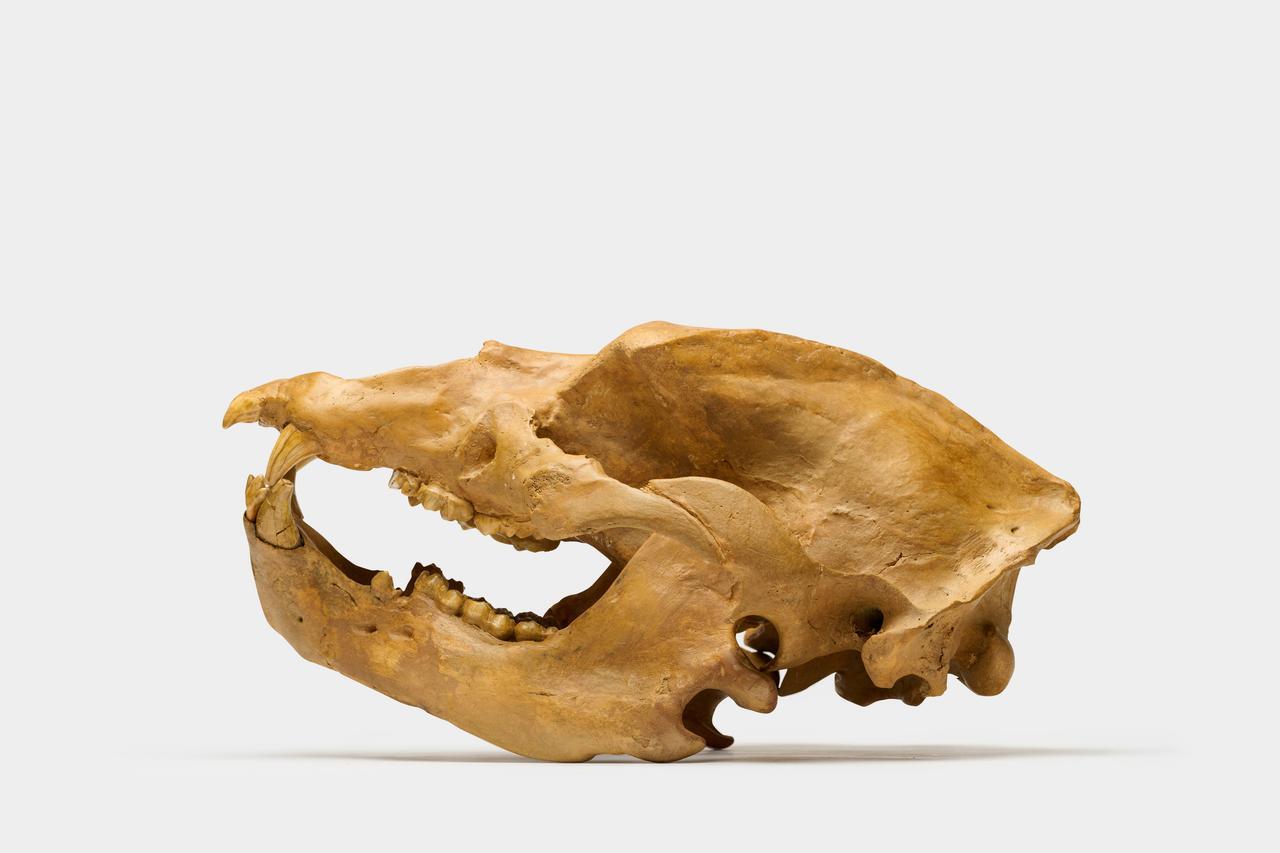
Gyrolieten trace fossil (ichnofossil) - Fossil matrix - Gyrolithes davreuxi (de Saporta, 1884) - 6.9 cm - 5.9 cm (No Reserve Price)


04
days
02
hours
29
minutes
04
seconds

2 other people are watching this object
 Bidder 3440 Bidder 3440 | €1 |
|---|
Catawiki Buyer Protection
Your payment’s safe with us until you receive your object.View details
Trustpilot 4.4 | 121899 reviews
Rated Excellent on Trustpilot.
Gyrolithes davreuxi (de Saporta, 1884) specimen Gyrolieten ichnospollen fossil from Belgium, Campanian (Late Cretaceous), conserved treatment, natural condition.
AI-assisted summary
Description from the seller
Gyrolithes davreuxi (de Saporta, 1884).
Gyrolieten are trace fossils consisting of vertically spiral-shaped tunnels, likely created by ancestors of marine worms.
It concerns an exceptional collection piece, where the matrix is filled with a fossilized graph, which was filled with the mineral glauconite. The find dates from 2024 and was discovered during sampling of the so-called Formation of Vaals, also known as the Vaalser Green Edges.
This find site is one of the globally rare locations where these fossils occur in this exceptional condition.
Due to the fragility of the matrix and the fossilized burrows, these fossils require a meticulous and delicate conservation process.
Dimensions (h x w x d): 6.9 x 5.9 x 2.8 cm.
Weight: 31 g.
Stratigraphy
Era: Cretaceous
Epoch: Upper Cretaceous
Floor: Campaniaan
The geological epoch of the Campanian or Campan (Flanders: Campaniaan) is a time interval in the Late-
Cretaceous, which lasted from 83.6 ± 0.2 to 72.1 ± 0.2 million years ago.
Formation: Vaals (Vaalser Groenzanden)
Member: Smectite de Herve
These excavations were described in 1983 by Felder in the journal Ground Drill and Hammer. They are more extensively discussed in the Bulletin of the Geological Society of Denmark, volume 23 (1974). Characteristic of Gyrolithes is the spiral shape of the excavation. The scratches on the surface of the excavation indicate that these are probably traces of Decapod Crustacea. The green color is caused by the mineral glauconite, which is typical of oxygen-depleted conditions.
----------
Shipping is well packed and with tracking to the address provided by the buyer.
----------
Gyrolithes davreuxi (de Saporta, 1884).
Gyrolieten are trace fossils consisting of vertically spiral-shaped tunnels, likely created by ancestors of marine worms.
It concerns an exceptional collection piece, where the matrix is filled with a fossilized graph, which was filled with the mineral glauconite. The find dates from 2024 and was discovered during sampling of the so-called Formation of Vaals, also known as the Vaalser Green Edges.
This find site is one of the globally rare locations where these fossils occur in this exceptional condition.
Due to the fragility of the matrix and the fossilized burrows, these fossils require a meticulous and delicate conservation process.
Dimensions (h x w x d): 6.9 x 5.9 x 2.8 cm.
Weight: 31 g.
Stratigraphy
Era: Cretaceous
Epoch: Upper Cretaceous
Floor: Campaniaan
The geological epoch of the Campanian or Campan (Flanders: Campaniaan) is a time interval in the Late-
Cretaceous, which lasted from 83.6 ± 0.2 to 72.1 ± 0.2 million years ago.
Formation: Vaals (Vaalser Groenzanden)
Member: Smectite de Herve
These excavations were described in 1983 by Felder in the journal Ground Drill and Hammer. They are more extensively discussed in the Bulletin of the Geological Society of Denmark, volume 23 (1974). Characteristic of Gyrolithes is the spiral shape of the excavation. The scratches on the surface of the excavation indicate that these are probably traces of Decapod Crustacea. The green color is caused by the mineral glauconite, which is typical of oxygen-depleted conditions.
----------
Shipping is well packed and with tracking to the address provided by the buyer.
----------
Details
Number of items
1
Specimen
Gyrolieten trace fossil (ichnofossil)
Scientific name
Gyrolithes davreuxi (de Saporta, 1884)
Country of Origin
Belgium
Geological Period
Campanian, (Late Cretaceous), 83.6 ± 0.2 to 72.1 ± 0.2 million years.
Condition
Natural
Treatment
Conserved
Weight
31 g
Height
6.9 cm
Width
5.9 cm
Depth
2.8 cm
Sold by