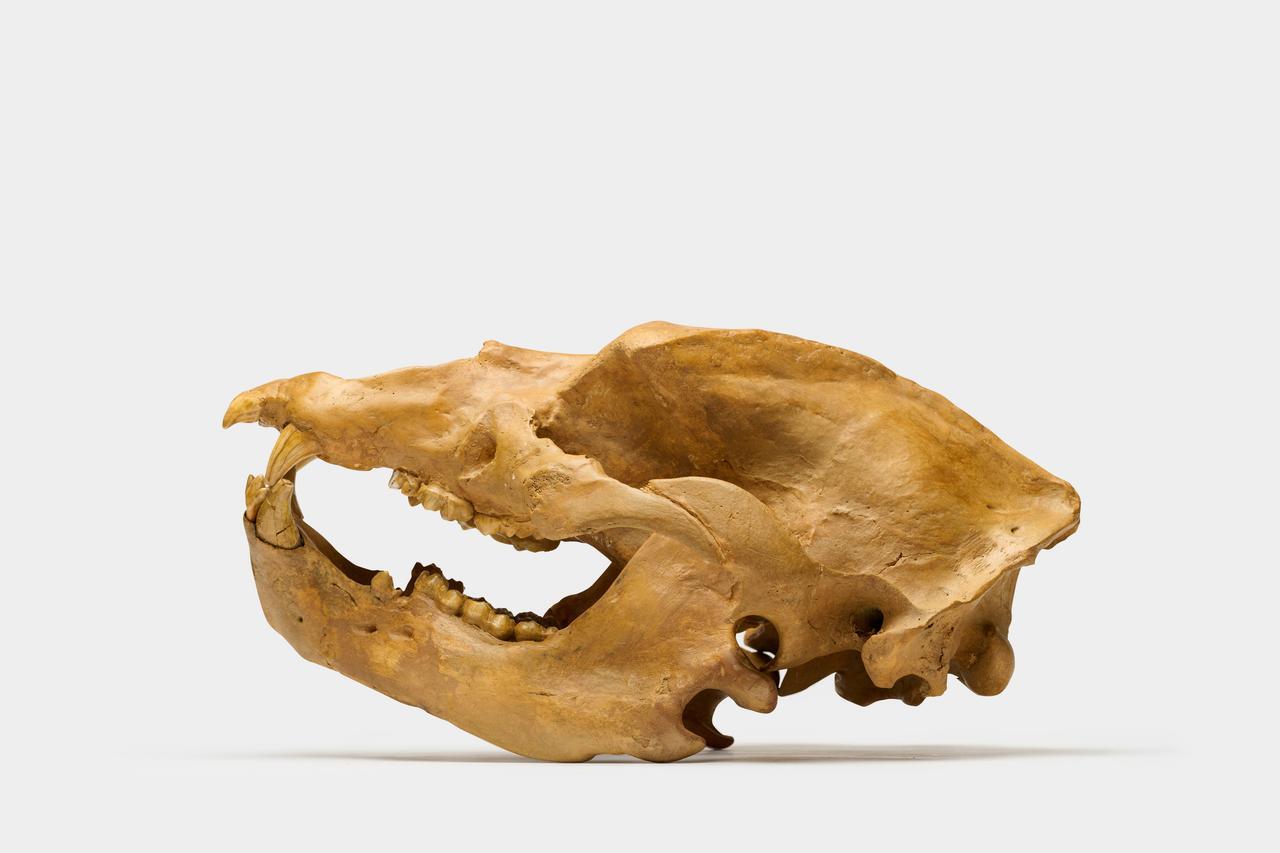
Fossilised wood - Tietea singularis - 15 cm - 12 cm


07
days
21
hours
59
minutes
52
seconds

4 other people are watching this object
 Bidder 3188 Bidder 3188 | €1 |
|---|
Catawiki Buyer Protection
Your payment’s safe with us until you receive your object.View details
Trustpilot 4.4 | 122910 reviews
Rated Excellent on Trustpilot.
Description from the seller
Tietea Singularis Fossil
Locality: Tocantins, Brazil
Geological Age: Permian Period
Size: 15 × 12 × 3 cm
This fossil belongs to the extinct fern group of the Class Filicopsida, Order Marattiales. These plants thrived in terrestrial environments from the Carboniferous to the Permian Period and are now extinct. The specimen was discovered in the Permian strata of Tocantins, Brazil.
During the Carboniferous Period, tree ferns, together with lycopsids and horsetails, formed vast terrestrial forests that contributed to the formation of today’s rich coal deposits. The Brazilian tree fern could grow up to several meters in height. Unlike modern woody trees, its trunk lacked annual growth rings and was instead composed of radiating vascular bundles.
This polished fossil slice clearly reveals the central structure formed by numerous curved lines—the vascular bundles of the xylem tissue—surrounded by aerial roots, with traces of leaf bases also visible. The specimen is exceptionally well-preserved and holds high value for both display and scientific study.
Tietea Singularis Fossil
Locality: Tocantins, Brazil
Geological Age: Permian Period
Size: 15 × 12 × 3 cm
This fossil belongs to the extinct fern group of the Class Filicopsida, Order Marattiales. These plants thrived in terrestrial environments from the Carboniferous to the Permian Period and are now extinct. The specimen was discovered in the Permian strata of Tocantins, Brazil.
During the Carboniferous Period, tree ferns, together with lycopsids and horsetails, formed vast terrestrial forests that contributed to the formation of today’s rich coal deposits. The Brazilian tree fern could grow up to several meters in height. Unlike modern woody trees, its trunk lacked annual growth rings and was instead composed of radiating vascular bundles.
This polished fossil slice clearly reveals the central structure formed by numerous curved lines—the vascular bundles of the xylem tissue—surrounded by aerial roots, with traces of leaf bases also visible. The specimen is exceptionally well-preserved and holds high value for both display and scientific study.
Details
Scientific name
Tietea singularis
Country of Origin
Brazil
Geological Period
Permian (298.9 - 251.9 million years)
Condition
Natural
Height
15 cm
Width
12 cm
Depth
3 cm
Sold by