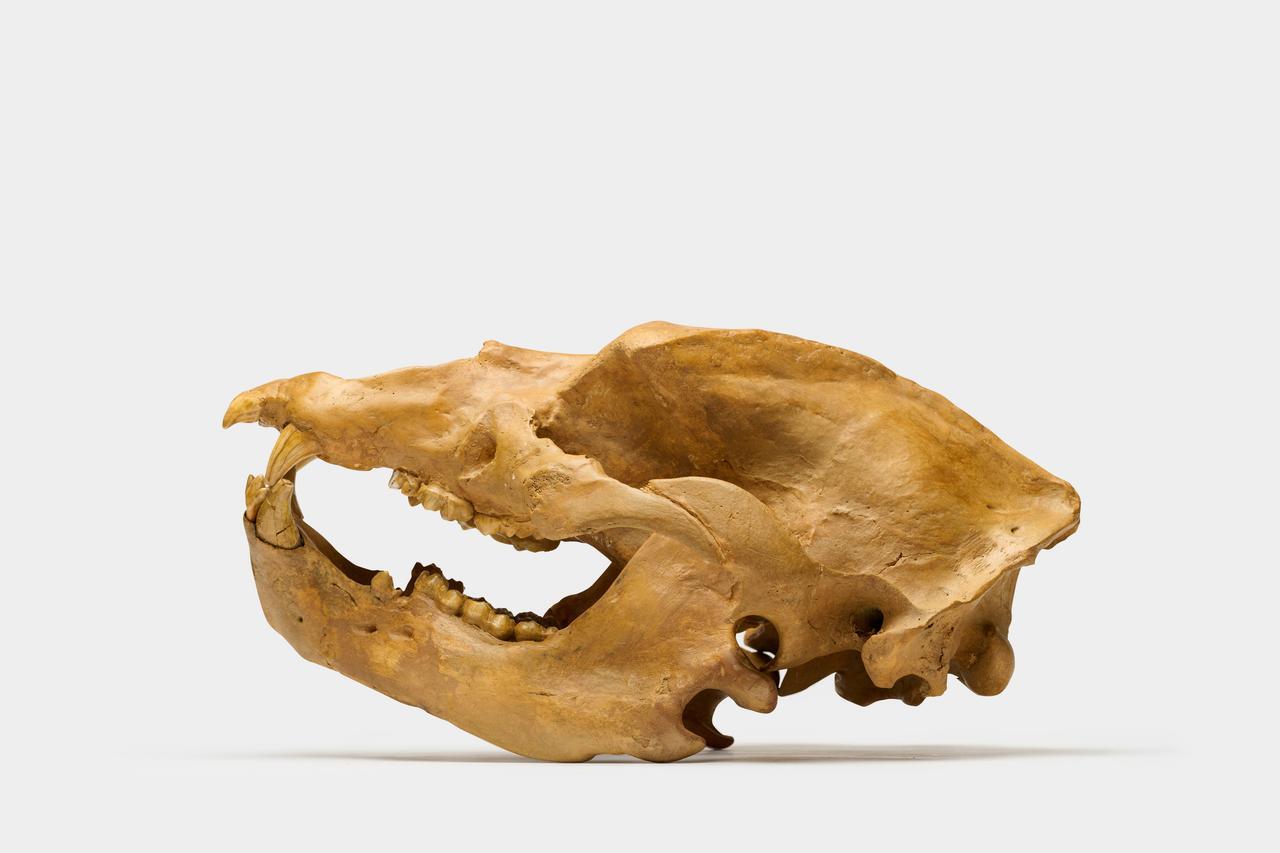
Marine reptile - Fossilised animal - Keichosaurus Hui - 17.2 cm - 10.5 cm


01
day
11
hours
29
minutes
14
seconds

10 other people are watching this object
 Bidder 6654 Bidder 6654 | €190 | |
|---|---|---|
| Bidder 7768 | €170 | |
| Bidder 6654 | €160 | |
Catawiki Buyer Protection
Your payment’s safe with us until you receive your object.View details
Trustpilot 4.4 | 121798 reviews
Rated Excellent on Trustpilot.
Keichousaurus hui is a marine reptile specimen from the Middle–Upper Triassic, with natural preservation.
AI-assisted summary
Description from the seller
Here are the versions as
Keichousaurus hui - Exceptional Triassic Marine Reptile Fossil - Male Specimen
Splendid fossil specimen of Keichousaurus hui, a small marine reptile that lived during the Middle-Late Triassic (about 227-209 million years ago) in what is now China.
Characteristics of the fossil:
Plate dimensions: 17.2 x 10.8 x 0.8 cm
Fossil size, 14.6x2.8cm
Origin: China (probably Guizhou province)
Geological period: Middle-Upper Triassic (Ladinian-Norian phase)
Sex: Male (identifiable by the robustness of the forelimbs)
Preservation: Excellent - complete, well-articulated skeleton with skull, vertebral column, limbs, and tail clearly visible, ventral side.
It has been suggested, from their anatomy, that they may have given birth to live young of 3 cm (they were probably ovoviviparous).
Scientific notes:
Keichousaurus is a pachypleurosaur, first discovered in China in 1957. These small marine reptiles, typically less than 30 cm long, represent precious testimonies of Triassic marine fauna. The species is named after the Chinese paleontologist Hu Zhengzhi (1917-2018). Guizhou, a region rich in fossil deposits, has yielded numerous specimens that have permitted in-depth studies of this fascinating prehistoric fauna.
Sexual dimorphism in Keichousaurus is documented: males have more robust forelimbs than females, a feature clearly visible in this specimen.
A museum piece of great scientific and collectible value, with exceptionally preserved diagnostic characteristics.
ENGLISH:
Keichousaurus hui - Outstanding Marine Reptile Fossil from the Chinese Triassic - Male Specimen.
Magnificent fossil specimen of Keichousaurus hui, a small marine reptile that lived during the Middle-Upper Triassic period (approximately 227-209 million years ago) in what is now China.
Fossil specifications:
Slab dimensions: 17.2 x 10.8 x 0.8 cm.
Fossil size 14.6x2.8cm.
Origin: China (like Guizhou Province)
Geological period: Middle-Upper Triassic (Ladinian-Norian stage)
Sex: Male (identifiable by the robustness of the forelimbs)
Preservation: Excellent - complete and well-articulated skeleton with skull, vertebral column, limbs, and tail clearly visible, ventral side
Based on their anatomy, it has been suggested that they may have given birth to live young measuring 3 cm (they were probably ovoviviparous).
Scientific notes:
Keichousaurus is a pachypleurosaur, first discovered in China in 1957. These small marine reptiles, typically less than 30 cm in length, represent valuable evidence of Triassic marine fauna. The species is named after Chinese paleontologist Hu Zhengzhi (1917-2018). The Guizhou region, rich in fossil deposits, has yielded numerous specimens that have enabled in-depth studies of this fascinating prehistoric fauna.
Sexual dimorphism in Keichousaurus is well documented: males exhibit more robust forelimbs compared to females, a characteristic clearly visible in this specimen.
A museum-quality piece of great scientific and collector value, with exceptionally preserved diagnostic features.
Here are the versions as
Keichousaurus hui - Exceptional Triassic Marine Reptile Fossil - Male Specimen
Splendid fossil specimen of Keichousaurus hui, a small marine reptile that lived during the Middle-Late Triassic (about 227-209 million years ago) in what is now China.
Characteristics of the fossil:
Plate dimensions: 17.2 x 10.8 x 0.8 cm
Fossil size, 14.6x2.8cm
Origin: China (probably Guizhou province)
Geological period: Middle-Upper Triassic (Ladinian-Norian phase)
Sex: Male (identifiable by the robustness of the forelimbs)
Preservation: Excellent - complete, well-articulated skeleton with skull, vertebral column, limbs, and tail clearly visible, ventral side.
It has been suggested, from their anatomy, that they may have given birth to live young of 3 cm (they were probably ovoviviparous).
Scientific notes:
Keichousaurus is a pachypleurosaur, first discovered in China in 1957. These small marine reptiles, typically less than 30 cm long, represent precious testimonies of Triassic marine fauna. The species is named after the Chinese paleontologist Hu Zhengzhi (1917-2018). Guizhou, a region rich in fossil deposits, has yielded numerous specimens that have permitted in-depth studies of this fascinating prehistoric fauna.
Sexual dimorphism in Keichousaurus is documented: males have more robust forelimbs than females, a feature clearly visible in this specimen.
A museum piece of great scientific and collectible value, with exceptionally preserved diagnostic characteristics.
ENGLISH:
Keichousaurus hui - Outstanding Marine Reptile Fossil from the Chinese Triassic - Male Specimen.
Magnificent fossil specimen of Keichousaurus hui, a small marine reptile that lived during the Middle-Upper Triassic period (approximately 227-209 million years ago) in what is now China.
Fossil specifications:
Slab dimensions: 17.2 x 10.8 x 0.8 cm.
Fossil size 14.6x2.8cm.
Origin: China (like Guizhou Province)
Geological period: Middle-Upper Triassic (Ladinian-Norian stage)
Sex: Male (identifiable by the robustness of the forelimbs)
Preservation: Excellent - complete and well-articulated skeleton with skull, vertebral column, limbs, and tail clearly visible, ventral side
Based on their anatomy, it has been suggested that they may have given birth to live young measuring 3 cm (they were probably ovoviviparous).
Scientific notes:
Keichousaurus is a pachypleurosaur, first discovered in China in 1957. These small marine reptiles, typically less than 30 cm in length, represent valuable evidence of Triassic marine fauna. The species is named after Chinese paleontologist Hu Zhengzhi (1917-2018). The Guizhou region, rich in fossil deposits, has yielded numerous specimens that have enabled in-depth studies of this fascinating prehistoric fauna.
Sexual dimorphism in Keichousaurus is well documented: males exhibit more robust forelimbs compared to females, a characteristic clearly visible in this specimen.
A museum-quality piece of great scientific and collector value, with exceptionally preserved diagnostic features.
Details
Specimen
Marine reptile
Scientific name
Keichosaurus Hui
Geological Period
Triassic (251.9 - 201.3 million years)
Condition
Natural
Weight
322 g
Height
17.2 cm
Width
10.5 cm
Depth
0.8 cm
Sold by