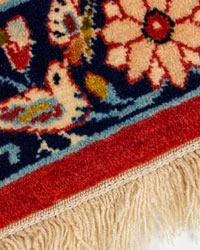
Afghan - Kelim - 196 cm - 143 cm - Old Afghan Jajim


00
days
19
hours
41
minutes
00
seconds
Starting bid
€ 1
No reserve price

Expert
Selected by Richard Ebbers
Certified appraiser at Federation TMV with 30 years' professional antiques experience.
Estimate € 150 - € 200
No bids placed
Catawiki Buyer Protection
Your payment’s safe with us until you receive your object.View details
Trustpilot 4.4 | 122553 reviews
Rated Excellent on Trustpilot.
Description from the seller
Description
This Afghan Jajim Kilim Rug - 196 x 143 cm, showcases a vibrant and traditional design with a rich palette of earthy and jewel-toned stripes. Hand-woven from hand-spun wool and naturally dyed, this flat-woven rug features alternating rows of warm hues, such as terracotta, burnt orange, deep reds, and ochre.The kilim's unique flat weave provides durability while maintaining a lightweight feel, which is ideal for layering or as a statement piece in any room. The scattered, tiny specks within the colours add a rustic, artisanal quality, embodying the authenticity of traditional Afghan weaving techniques. This Jajim Kilim rug is a timeless and versatile addition that brings a vibrant yet grounded character to any space, blending traditional craftsmanship with a lively colour composition. The Jajim Kilim is a traditional Afghan weaving style with deep historical roots, originating from the nomadic tribes of particularly in regions like Afghanistan , Kerman, and Kurdistan. These textiles were traditionally woven on horizontal ground looms, making them portable for the nomadic lifestyle. The Jajim Kilims served various practical purposes, including use as blankets, bedding, tent coverings, and floor coverings, due to their lightweight yet sturdy construction. Unlike other kilims, Jajims are known for their distinct vertical or horizontal striped patterns, often featuring bold, earthy colours derived from natural dyes. The designs are characterised by simple geometric motifs, reflecting nomadic artisans' minimalist and resourceful aesthetic. The weaving technique itself involves a flat-weave style, which is both durable and easy to transport, suiting the mobile lives of its creators. The Jajim Kilim’s aesthetic and functionality have helped it endure through centuries, finding its place in modern interiors as both a decorative and cultural piece.
Description
This Afghan Jajim Kilim Rug - 196 x 143 cm, showcases a vibrant and traditional design with a rich palette of earthy and jewel-toned stripes. Hand-woven from hand-spun wool and naturally dyed, this flat-woven rug features alternating rows of warm hues, such as terracotta, burnt orange, deep reds, and ochre.The kilim's unique flat weave provides durability while maintaining a lightweight feel, which is ideal for layering or as a statement piece in any room. The scattered, tiny specks within the colours add a rustic, artisanal quality, embodying the authenticity of traditional Afghan weaving techniques. This Jajim Kilim rug is a timeless and versatile addition that brings a vibrant yet grounded character to any space, blending traditional craftsmanship with a lively colour composition. The Jajim Kilim is a traditional Afghan weaving style with deep historical roots, originating from the nomadic tribes of particularly in regions like Afghanistan , Kerman, and Kurdistan. These textiles were traditionally woven on horizontal ground looms, making them portable for the nomadic lifestyle. The Jajim Kilims served various practical purposes, including use as blankets, bedding, tent coverings, and floor coverings, due to their lightweight yet sturdy construction. Unlike other kilims, Jajims are known for their distinct vertical or horizontal striped patterns, often featuring bold, earthy colours derived from natural dyes. The designs are characterised by simple geometric motifs, reflecting nomadic artisans' minimalist and resourceful aesthetic. The weaving technique itself involves a flat-weave style, which is both durable and easy to transport, suiting the mobile lives of its creators. The Jajim Kilim’s aesthetic and functionality have helped it endure through centuries, finding its place in modern interiors as both a decorative and cultural piece.
Details
Era
1900-2000
Title additional information
Old Afghan Jajim
Nr of items
1
Model
Afghan
Colour
Multicolour
Length
196 cm
Width
143 cm
Material
Wool on wool
Country of Origin
Afghanistan
Condition
In very good condition
Professionally Cleaned
Yes
Manufacturing period
Early 20th century
Sold by