Ammonite - Fossilised shell - Androgynoceras (Charmouth) - 31 mm - 97 mm (No Reserve Price)


10
days
05
hours
29
minutes
24
seconds

No bids placed
Catawiki Buyer Protection
Your payment’s safe with us until you receive your object.View details
Trustpilot 4.4 | 121899 reviews
Rated Excellent on Trustpilot.
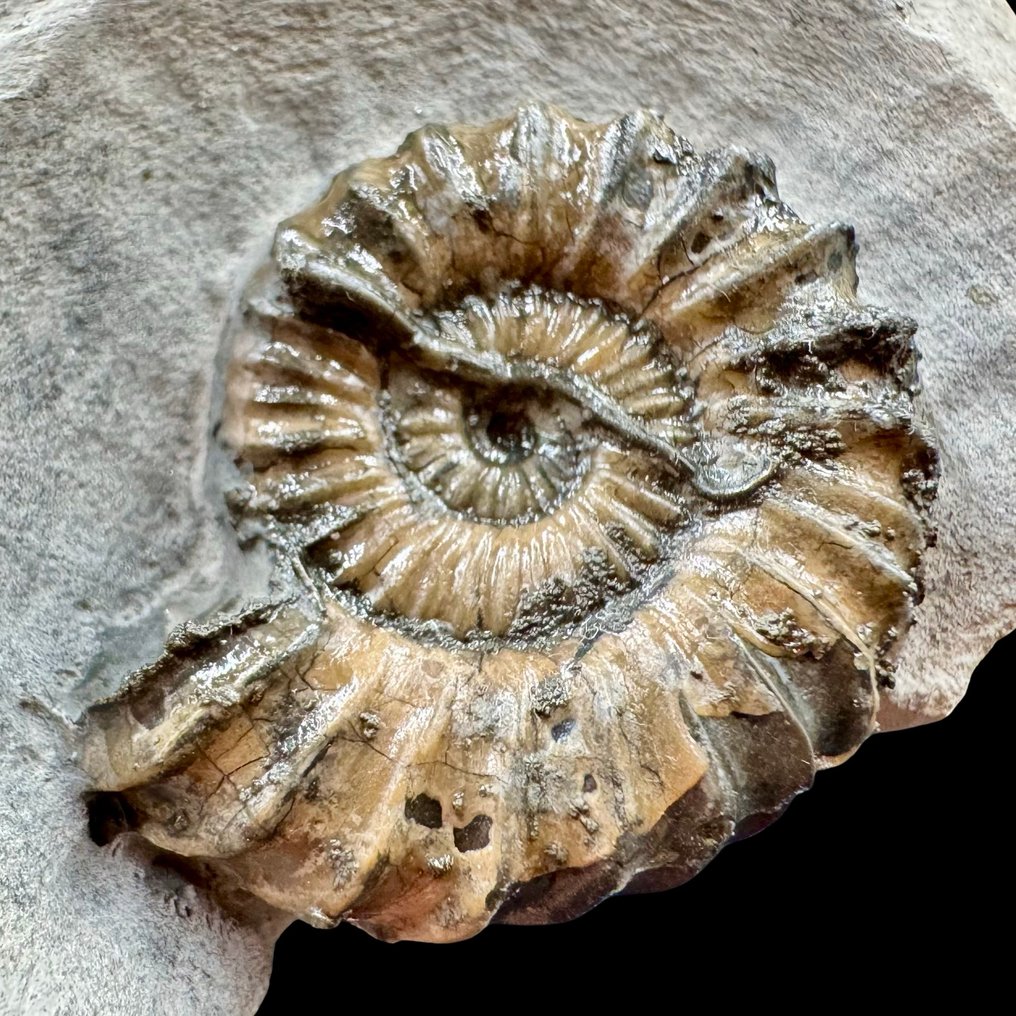
Androgynoceras (Charmouth) ammonite from the Lower Jurassic of the United Kingdom, conserved specimen in natural condition.
AI-assisted summary
Description from the seller
Remarkable Androgynoceras Ammonite from the Jurassic Coast
This striking Androgynoceras ammonite originates from the renowned Jurassic Coast of Dorset, a UNESCO World Heritage Site globally celebrated for its exceptional fossil heritage. Collected from Stonebarrow Cliff, Charmouth, within the fossil-rich Black Ven Marls of the Lower Lias, this genuine specimen dates to the Sinemurian Stage of the Early Jurassic. The ammonite offered here is the exact one shown in the photographs and has been meticulously selected for its scientific integrity, aesthetic appeal, and strong collector value. Each fossil is 100% authentic and is accompanied by a Certificate of Authenticity.
Geological Context and Stratigraphy
The Black Ven Marls form part of a world-famous sequence of Lower Jurassic sediments deposited approximately 195 million years ago. This area is one of the richest fossil-bearing localities in Europe, shaped by continuous coastal erosion that unveils new material each year. The marls and shales of the Lower Lias represent calm, offshore depositional environments where fine marine sediments accumulated gradually. These sediments provided ideal conditions for the remarkable preservation of ammonites such as Androgynoceras, which is a signature genus of the Sinemurian.
Taxonomy and Scientific Importance
Androgynoceras belongs to the family Liparoceratidae, a group known for its robust shells, distinctive rib patterns, and evolutionary significance within the early Jurassic ammonite record. The genus is well represented along the Charmouth–Lyme Regis coastline and is frequently used for biostratigraphic correlation due to its clear morphological features and consistent appearance within specific layers of the Lower Lias. As a Sinemurian ammonite, Androgynoceras contributes valuable insights into the evolution and diversification of early Jurassic cephalopods in the aftermath of the Triassic–Jurassic boundary events.
Morphological Features
This specimen showcases the classic Androgynoceras morphology: strong, well-defined ribs extending across the whorls, a moderately evolute shell, and prominent sculpturing that enhances its visual impact. The ribbing is typically bold, often sweeping forward on the outer whorl, producing a dynamic and recognisable pattern. The shell displays excellent preservation, allowing close inspection of individual rib structures, growth lines, and the natural curvature of the ammonite. Its fossilisation within calcite-rich Lower Lias sediments has given the piece a refined surface quality, making it ideal for display and study.
Depositional Environment
During the Early Jurassic, the region that is now Dorset lay beneath a warm epicontinental sea. Fine-grained muds accumulated in quiet marine basins, creating low-oxygen conditions that limited biological decay. These stabilising conditions allowed ammonite shells to settle gently onto the seafloor, where they were quickly buried by sediment. Over millions of years, the layers of mud and marl lithified into rock, preserving the ammonites in extraordinary detail. The result is a fossil record that provides an unrivalled view of early Jurassic marine ecosystems.
Provenance and Collector Value
The ammonite originates from one of the most iconic fossil localities in the world: Stonebarrow Cliff near Charmouth, a central point of the Jurassic Coast. Fossils from this site have been prized by collectors, palaeontologists, and enthusiasts for centuries due to their scientific relevance and natural beauty. This carefully chosen example stands out for its clarity, form, and the high quality expected from Lower Lias ammonites. It represents not only a fascinating remnant of prehistoric life but also a valuable addition to any serious fossil collection.
Weight: 202g
Size of ammonite:: 28 x 25mm
Size of matrix: 97 x 57 31mm
Prepped and found by our own Team
Shipped by Royal Mail Fully Tracked
Remarkable Androgynoceras Ammonite from the Jurassic Coast
This striking Androgynoceras ammonite originates from the renowned Jurassic Coast of Dorset, a UNESCO World Heritage Site globally celebrated for its exceptional fossil heritage. Collected from Stonebarrow Cliff, Charmouth, within the fossil-rich Black Ven Marls of the Lower Lias, this genuine specimen dates to the Sinemurian Stage of the Early Jurassic. The ammonite offered here is the exact one shown in the photographs and has been meticulously selected for its scientific integrity, aesthetic appeal, and strong collector value. Each fossil is 100% authentic and is accompanied by a Certificate of Authenticity.
Geological Context and Stratigraphy
The Black Ven Marls form part of a world-famous sequence of Lower Jurassic sediments deposited approximately 195 million years ago. This area is one of the richest fossil-bearing localities in Europe, shaped by continuous coastal erosion that unveils new material each year. The marls and shales of the Lower Lias represent calm, offshore depositional environments where fine marine sediments accumulated gradually. These sediments provided ideal conditions for the remarkable preservation of ammonites such as Androgynoceras, which is a signature genus of the Sinemurian.
Taxonomy and Scientific Importance
Androgynoceras belongs to the family Liparoceratidae, a group known for its robust shells, distinctive rib patterns, and evolutionary significance within the early Jurassic ammonite record. The genus is well represented along the Charmouth–Lyme Regis coastline and is frequently used for biostratigraphic correlation due to its clear morphological features and consistent appearance within specific layers of the Lower Lias. As a Sinemurian ammonite, Androgynoceras contributes valuable insights into the evolution and diversification of early Jurassic cephalopods in the aftermath of the Triassic–Jurassic boundary events.
Morphological Features
This specimen showcases the classic Androgynoceras morphology: strong, well-defined ribs extending across the whorls, a moderately evolute shell, and prominent sculpturing that enhances its visual impact. The ribbing is typically bold, often sweeping forward on the outer whorl, producing a dynamic and recognisable pattern. The shell displays excellent preservation, allowing close inspection of individual rib structures, growth lines, and the natural curvature of the ammonite. Its fossilisation within calcite-rich Lower Lias sediments has given the piece a refined surface quality, making it ideal for display and study.
Depositional Environment
During the Early Jurassic, the region that is now Dorset lay beneath a warm epicontinental sea. Fine-grained muds accumulated in quiet marine basins, creating low-oxygen conditions that limited biological decay. These stabilising conditions allowed ammonite shells to settle gently onto the seafloor, where they were quickly buried by sediment. Over millions of years, the layers of mud and marl lithified into rock, preserving the ammonites in extraordinary detail. The result is a fossil record that provides an unrivalled view of early Jurassic marine ecosystems.
Provenance and Collector Value
The ammonite originates from one of the most iconic fossil localities in the world: Stonebarrow Cliff near Charmouth, a central point of the Jurassic Coast. Fossils from this site have been prized by collectors, palaeontologists, and enthusiasts for centuries due to their scientific relevance and natural beauty. This carefully chosen example stands out for its clarity, form, and the high quality expected from Lower Lias ammonites. It represents not only a fascinating remnant of prehistoric life but also a valuable addition to any serious fossil collection.
Weight: 202g
Size of ammonite:: 28 x 25mm
Size of matrix: 97 x 57 31mm
Prepped and found by our own Team
Shipped by Royal Mail Fully Tracked
Details
Number of items
1
Specimen
Ammonite
Scientific name
Androgynoceras (Charmouth)
Country of Origin
United Kingdom
Geological Period
Jurassic, Lower (201.3 - 174.1 million years)
Condition
Natural
Treatment
Conserved
Weight
202 g
Height
31 mm
Width
97 mm
Depth
57 mm
Sold by