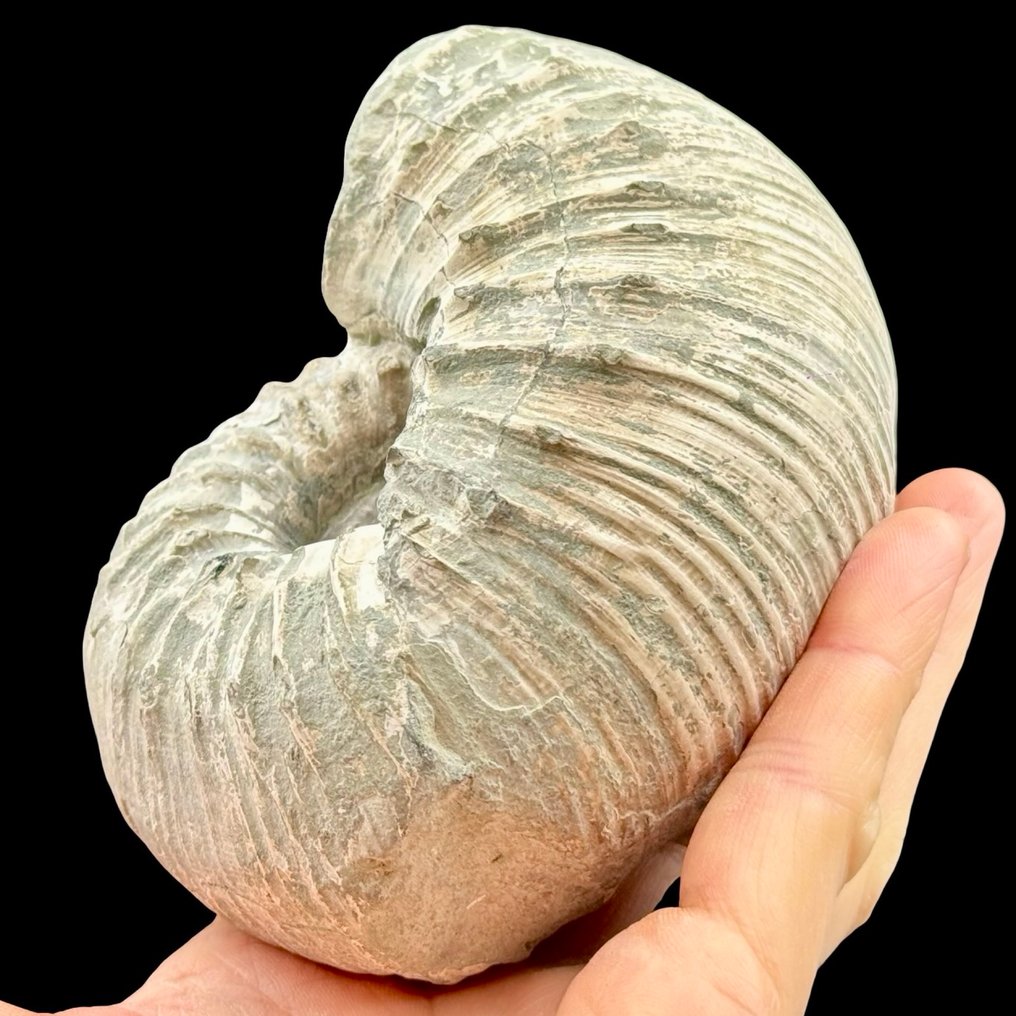
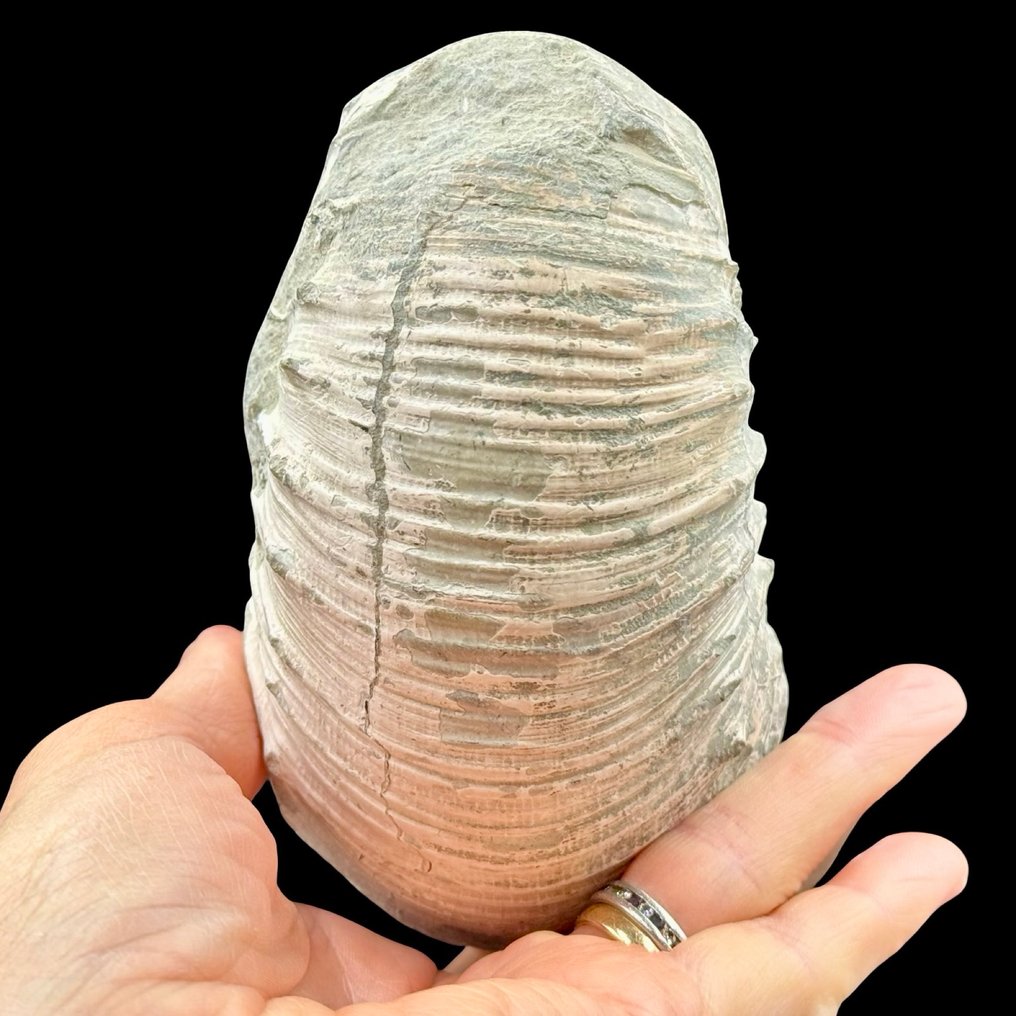
Ammonite - Fossilised shell - Liparoceras cheltiense - 76 mm - 129 mm



Opens 16:00
Starting bid
€ 1
Add to your favourites to get an alert when the auction starts.

Catawiki Buyer Protection
Your payment’s safe with us until you receive your object.View details
Trustpilot 4.4 | 121899 reviews
Rated Excellent on Trustpilot.
Description from the seller
Exceptional Liparoceras cheltiense Ammonite from Cheltenham
This impressive Liparoceras cheltiense ammonite fossil originates from the Cheltenham area of the United Kingdom, a region well known for its rich Lower Jurassic deposits. Dating to the Pliensbachian Stage, this specimen represents life in ancient seas approximately 185–190 million years ago. The fossil shown in the photographs is the exact one you will receive, carefully chosen for its strong morphology, aesthetic quality, and scientific significance. As with all our specimens, this ammonite is 100% genuine and includes a Certificate of Authenticity.
Geological Setting and Age
The Cheltenham region forms part of the classic Lower Jurassic outcrops of Britain, especially known for exposing Pliensbachian marine strata. During this stage, the area lay beneath a shallow, warm sea, where fine sediments accumulated gradually across wide continental shelves. These conditions produced ideal environments for preserving ammonites, as shells were rapidly buried beneath muds and silts before significant decay could occur. Over millions of years, these sediments lithified into the limestone and marl layers where fossils like Liparoceras cheltiense are found today. The Pliensbachian is a key subdivision of the early Jurassic and is well represented in British geology.
Taxonomy and Scientific Importance
Liparoceras cheltiense belongs to the family Liparoceratidae within the order Ammonitida, a prominent group of extinct cephalopods that flourished throughout the Jurassic period. This species is an important element of Pliensbachian ammonite faunas and provides valuable information for biostratigraphic work due to its recognisable form and restricted stratigraphic range. The genus Liparoceras is distinguished by its robust shell architecture and strong ornamentation, characteristics that help palaeontologists identify specific beds and correlate strata across different regions of Europe.
Morphological Features
This well-preserved specimen displays the classic features of Liparoceras cheltiense: a thick, sturdy shell with pronounced ribs, broad whorls, and deep constrictions. The ribs sweep boldly across the shell and often bifurcate, creating a dramatic and textured appearance. The whorl section is typically wide and rounded, giving the fossil substantial three-dimensional presence. Fine details such as rib definition, growth patterns, and shell curvature are clearly retained, making this an excellent display piece. Its natural preservation showcases the characteristic power and symmetry of the genus.
Depositional Environment
During the Pliensbachian, the seas covering present-day Cheltenham hosted diverse marine life including ammonites, bivalves, and early marine reptiles. Sediments accumulated across relatively stable seabeds, often in low-energy environments where fine muds settled evenly. These conditions favoured exceptional fossil preservation, with shells quickly protected from disturbance. As geological time progressed, further deposition and compaction ensured the long-term protection of ammonites such as Liparoceras cheltiense. The fossil-rich layers of the region provide an invaluable record of early Jurassic marine evolution.
Provenance and Collector Appeal
Cheltenham is regarded as one of Britain’s classic ammonite localities, producing fossils that are highly prized among collectors for both their quality and scientific relevance. This Liparoceras cheltiense specimen represents a particularly desirable example due to its bold ribbing, solid form, and clear preservation. Its geological provenance, combined with its distinctive morphology, makes it an excellent investment for collectors, educators, or anyone passionate about natural history. Offering both visual impact and scientific value, this fossil stands as a superb piece of early Jurassic heritage.
Size: 129 x 88 x 76mm
Weight: 946g
Exceptional Liparoceras cheltiense Ammonite from Cheltenham
This impressive Liparoceras cheltiense ammonite fossil originates from the Cheltenham area of the United Kingdom, a region well known for its rich Lower Jurassic deposits. Dating to the Pliensbachian Stage, this specimen represents life in ancient seas approximately 185–190 million years ago. The fossil shown in the photographs is the exact one you will receive, carefully chosen for its strong morphology, aesthetic quality, and scientific significance. As with all our specimens, this ammonite is 100% genuine and includes a Certificate of Authenticity.
Geological Setting and Age
The Cheltenham region forms part of the classic Lower Jurassic outcrops of Britain, especially known for exposing Pliensbachian marine strata. During this stage, the area lay beneath a shallow, warm sea, where fine sediments accumulated gradually across wide continental shelves. These conditions produced ideal environments for preserving ammonites, as shells were rapidly buried beneath muds and silts before significant decay could occur. Over millions of years, these sediments lithified into the limestone and marl layers where fossils like Liparoceras cheltiense are found today. The Pliensbachian is a key subdivision of the early Jurassic and is well represented in British geology.
Taxonomy and Scientific Importance
Liparoceras cheltiense belongs to the family Liparoceratidae within the order Ammonitida, a prominent group of extinct cephalopods that flourished throughout the Jurassic period. This species is an important element of Pliensbachian ammonite faunas and provides valuable information for biostratigraphic work due to its recognisable form and restricted stratigraphic range. The genus Liparoceras is distinguished by its robust shell architecture and strong ornamentation, characteristics that help palaeontologists identify specific beds and correlate strata across different regions of Europe.
Morphological Features
This well-preserved specimen displays the classic features of Liparoceras cheltiense: a thick, sturdy shell with pronounced ribs, broad whorls, and deep constrictions. The ribs sweep boldly across the shell and often bifurcate, creating a dramatic and textured appearance. The whorl section is typically wide and rounded, giving the fossil substantial three-dimensional presence. Fine details such as rib definition, growth patterns, and shell curvature are clearly retained, making this an excellent display piece. Its natural preservation showcases the characteristic power and symmetry of the genus.
Depositional Environment
During the Pliensbachian, the seas covering present-day Cheltenham hosted diverse marine life including ammonites, bivalves, and early marine reptiles. Sediments accumulated across relatively stable seabeds, often in low-energy environments where fine muds settled evenly. These conditions favoured exceptional fossil preservation, with shells quickly protected from disturbance. As geological time progressed, further deposition and compaction ensured the long-term protection of ammonites such as Liparoceras cheltiense. The fossil-rich layers of the region provide an invaluable record of early Jurassic marine evolution.
Provenance and Collector Appeal
Cheltenham is regarded as one of Britain’s classic ammonite localities, producing fossils that are highly prized among collectors for both their quality and scientific relevance. This Liparoceras cheltiense specimen represents a particularly desirable example due to its bold ribbing, solid form, and clear preservation. Its geological provenance, combined with its distinctive morphology, makes it an excellent investment for collectors, educators, or anyone passionate about natural history. Offering both visual impact and scientific value, this fossil stands as a superb piece of early Jurassic heritage.
Size: 129 x 88 x 76mm
Weight: 946g
Details
Number of items
1
Specimen
Ammonite
Scientific name
Liparoceras cheltiense
Country of Origin
United Kingdom
Geological Period
Jurassic, Lower (201.3 - 174.1 million years)
Condition
Natural
Treatment
Conserved
Weight
946 g
Height
76 mm
Width
129 mm
Depth
88 mm
Sold by