Odds and evens


05
days
21
hours
40
minutes
06
seconds
Current bid
€ 1
Reserve price not met

Expert
Selected by Luud Smits
Over 30 years of experience in movie and TV memorabilia with international connections.
Estimate € 150 - € 200
8 other people are watching this object
 Bidder 4321 Bidder 4321 | €1 |
|---|
Catawiki Buyer Protection
Your payment’s safe with us until you receive your object.View details
Trustpilot 4.4 | 122290 reviews
Rated Excellent on Trustpilot.
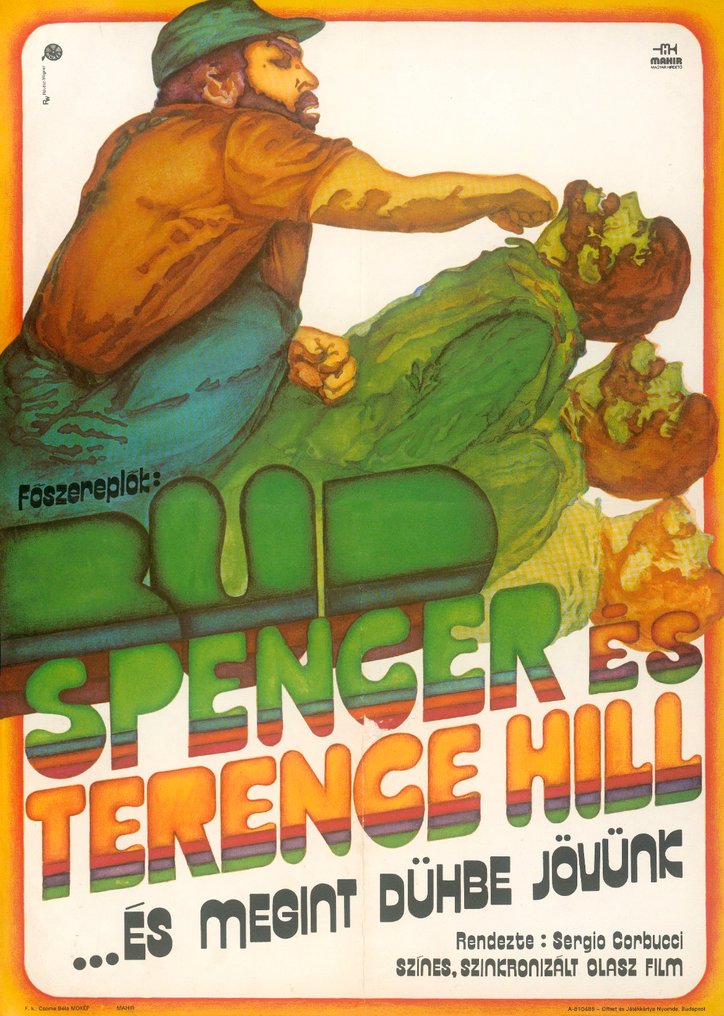
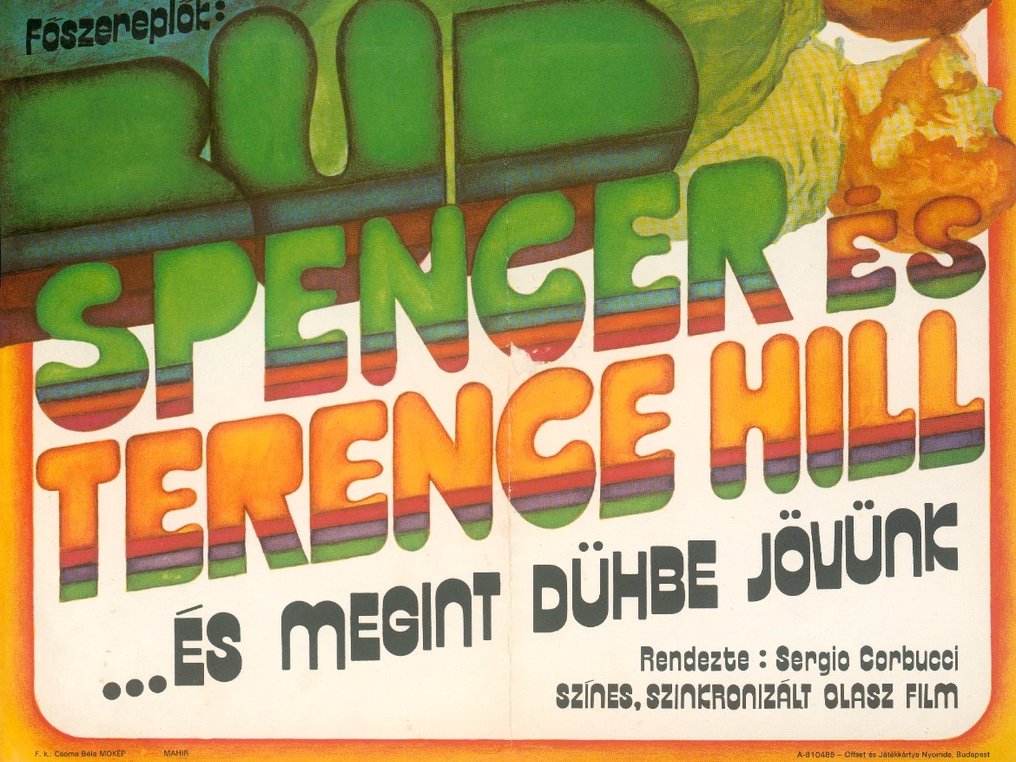
Official offset print of the 1978 film Odds and Evens (Pari e dispari), directed by Sergio Corbucci and starring Bud Spencer and Terence Hill; dimensions 45_1_31_cm; condition Very good.
AI-assisted summary
Description from the seller
Official offset print
The movie “…És megint dühbe jövünk” is the Hungarian title for the 1978 Italian film “Pari e dispari” (“Odds and Evens”), starring Bud Spencer and Terence Hill.
The film was directed by Sergio Corbucci
—
The movie …és megint dühbe jövünk (1978), internationally titled Odds and Evens (Pari e dispari in Italian), is a classic buddy action-comedy film starring Bud Spencer and Terence Hill. Known for their comedic chemistry and playful brawls, the duo became one of the most beloved pairings in 1970s and 80s European cinema.
Plot Overview:
In Odds and Evens, Bud Spencer and Terence Hill portray two estranged half-brothers: Charlie Firpo (Spencer), a truck driver and former gambler, and Johnny Firpo (Hill), a naval officer. They are brought together by a common goal—taking down a Miami-based gambling syndicate. Charlie is initially reluctant to get involved, but Johnny tricks him by claiming their blind father needs expensive eye surgery. The plot unfolds with a mix of high-stakes poker games, humor, and signature fight scenes, where Spencer’s heavy-handed punches and Hill’s agility offer comedic relief .
The Director: Sergio Corbucci
Sergio Corbucci, the director of Odds and Evens, was a prolific Italian filmmaker, best known for his work in spaghetti westerns. Corbucci’s early fame stemmed from directing Django (1966), a groundbreaking western that became a cult classic. Over time, Corbucci developed a reputation for blending genres, particularly westerns, comedies, and action films.
However, in the late 70s, he shifted to lighthearted action-comedy films, especially those featuring Spencer and Hill. Odds and Evens is one of his most popular films from this period, emphasizing not just action but the comedic timing and rapport between its stars. Corbucci had a distinct talent for pacing comedic action sequences, making him a versatile director beyond his earlier westerns .
Why It’s Popular:
Spencer and Hill’s films were characterized by their use of light violence, slapstick humor, and themes of camaraderie. While Odds and Evens follows a familiar formula of two mismatched heroes taking on a criminal syndicate, it’s elevated by the duo’s charismatic performances and Corbucci’s deft direction. The film was highly successful not only in Italy but also across Europe and Latin America, cementing the status of Spencer and Hill as international stars.
Corbucci’s work with the duo shifted from the hard-edged narratives of his earlier career to a more comedic, family-friendly style that still attracted a large audience .
In summary, Odds and Evens is a prime example of Sergio Corbucci’s adaptability and skill as a director, and of Spencer and Hill’s immense appeal as a comedy-action team.
-
About Hungarian Poster Art
Hungarian poster art has long been celebrated for its unique and captivating style, making it a significant cultural and artistic movement in the world. From the late 19th century to the present day, Hungarian poster art has left an indelible mark on the global art scene, with its innovative techniques, bold designs, and powerful messages.
One of the highlights of Hungarian poster art is its ability to seamlessly blend various artistic styles and influences. The movement drew inspiration from a wide range of sources, including Art Nouveau, Constructivism, and Surrealism, resulting in a diverse and eclectic body of work. Artists such as Mihály Bíró, József Bottlik, and István Irsai pushed the boundaries of traditional poster design, experimenting with typography, color, and composition to create visually striking and thought-provoking pieces.
Another notable aspect of Hungarian poster art is its emphasis on storytelling and narrative. Unlike many other countries' posters, which primarily served as advertising tools, Hungarian posters often conveyed a deeper meaning or social commentary. They were not just meant to sell products but also to engage viewers intellectually and emotionally. This storytelling approach allowed Hungarian poster art to transcend its commercial purpose and become a powerful medium for social and political expression.
The importance of Hungarian poster art in the world cannot be overstated. During the early 20th century, Hungary was at the forefront of graphic design, and its posters gained international recognition and acclaim. The Budapest School, a group of Hungarian artists, revolutionized the field with their avant-garde approach, influencing poster art movements across Europe and beyond. Their innovative techniques and artistic vision set new standards for poster design, inspiring generations of artists worldwide.
Furthermore, Hungarian poster art played a crucial role in shaping public opinion and mobilizing society. In times of political turmoil and social change, posters became a powerful tool for propaganda and activism. During World War II and the Hungarian Revolution of 1956, posters were used to rally support, convey messages of resistance, and document historical events. The ability of Hungarian artists to capture the spirit of the times and communicate complex ideas through visual imagery made their posters an integral part of the nation's cultural and political identity.
Today, Hungarian poster art continues to thrive, with contemporary artists carrying on the legacy of their predecessors. The Hungarian Poster Museum in Budapest showcases the rich history and evolution of this art form, attracting visitors from around the world. The enduring appeal and influence of Hungarian poster art can be seen in the works of renowned artists like Tibor Helényi and István Orosz, who have successfully merged traditional techniques with modern aesthetics.
In conclusion, Hungarian poster art stands as a testament to the country's artistic prowess and cultural heritage. Its unique style, emphasis on storytelling, and ability to provoke thought and emotion have made it an important and influential movement in the world. From its early beginnings to the present day, Hungarian poster art continues to captivate audiences and inspire artists, leaving an indelible mark on the global art scene.
—
Please note that our company was founded in 1994 and it is internationally trackable. Invoice is available upon request.
Our team consists of members with university degree of art, painting valuation experts and experienced art&antique dealers
Feel free to ask as much as you want. Lifetime warranty is available for all items originality.
Shipping is with insurance.
Official offset print
The movie “…És megint dühbe jövünk” is the Hungarian title for the 1978 Italian film “Pari e dispari” (“Odds and Evens”), starring Bud Spencer and Terence Hill.
The film was directed by Sergio Corbucci
—
The movie …és megint dühbe jövünk (1978), internationally titled Odds and Evens (Pari e dispari in Italian), is a classic buddy action-comedy film starring Bud Spencer and Terence Hill. Known for their comedic chemistry and playful brawls, the duo became one of the most beloved pairings in 1970s and 80s European cinema.
Plot Overview:
In Odds and Evens, Bud Spencer and Terence Hill portray two estranged half-brothers: Charlie Firpo (Spencer), a truck driver and former gambler, and Johnny Firpo (Hill), a naval officer. They are brought together by a common goal—taking down a Miami-based gambling syndicate. Charlie is initially reluctant to get involved, but Johnny tricks him by claiming their blind father needs expensive eye surgery. The plot unfolds with a mix of high-stakes poker games, humor, and signature fight scenes, where Spencer’s heavy-handed punches and Hill’s agility offer comedic relief .
The Director: Sergio Corbucci
Sergio Corbucci, the director of Odds and Evens, was a prolific Italian filmmaker, best known for his work in spaghetti westerns. Corbucci’s early fame stemmed from directing Django (1966), a groundbreaking western that became a cult classic. Over time, Corbucci developed a reputation for blending genres, particularly westerns, comedies, and action films.
However, in the late 70s, he shifted to lighthearted action-comedy films, especially those featuring Spencer and Hill. Odds and Evens is one of his most popular films from this period, emphasizing not just action but the comedic timing and rapport between its stars. Corbucci had a distinct talent for pacing comedic action sequences, making him a versatile director beyond his earlier westerns .
Why It’s Popular:
Spencer and Hill’s films were characterized by their use of light violence, slapstick humor, and themes of camaraderie. While Odds and Evens follows a familiar formula of two mismatched heroes taking on a criminal syndicate, it’s elevated by the duo’s charismatic performances and Corbucci’s deft direction. The film was highly successful not only in Italy but also across Europe and Latin America, cementing the status of Spencer and Hill as international stars.
Corbucci’s work with the duo shifted from the hard-edged narratives of his earlier career to a more comedic, family-friendly style that still attracted a large audience .
In summary, Odds and Evens is a prime example of Sergio Corbucci’s adaptability and skill as a director, and of Spencer and Hill’s immense appeal as a comedy-action team.
-
About Hungarian Poster Art
Hungarian poster art has long been celebrated for its unique and captivating style, making it a significant cultural and artistic movement in the world. From the late 19th century to the present day, Hungarian poster art has left an indelible mark on the global art scene, with its innovative techniques, bold designs, and powerful messages.
One of the highlights of Hungarian poster art is its ability to seamlessly blend various artistic styles and influences. The movement drew inspiration from a wide range of sources, including Art Nouveau, Constructivism, and Surrealism, resulting in a diverse and eclectic body of work. Artists such as Mihály Bíró, József Bottlik, and István Irsai pushed the boundaries of traditional poster design, experimenting with typography, color, and composition to create visually striking and thought-provoking pieces.
Another notable aspect of Hungarian poster art is its emphasis on storytelling and narrative. Unlike many other countries' posters, which primarily served as advertising tools, Hungarian posters often conveyed a deeper meaning or social commentary. They were not just meant to sell products but also to engage viewers intellectually and emotionally. This storytelling approach allowed Hungarian poster art to transcend its commercial purpose and become a powerful medium for social and political expression.
The importance of Hungarian poster art in the world cannot be overstated. During the early 20th century, Hungary was at the forefront of graphic design, and its posters gained international recognition and acclaim. The Budapest School, a group of Hungarian artists, revolutionized the field with their avant-garde approach, influencing poster art movements across Europe and beyond. Their innovative techniques and artistic vision set new standards for poster design, inspiring generations of artists worldwide.
Furthermore, Hungarian poster art played a crucial role in shaping public opinion and mobilizing society. In times of political turmoil and social change, posters became a powerful tool for propaganda and activism. During World War II and the Hungarian Revolution of 1956, posters were used to rally support, convey messages of resistance, and document historical events. The ability of Hungarian artists to capture the spirit of the times and communicate complex ideas through visual imagery made their posters an integral part of the nation's cultural and political identity.
Today, Hungarian poster art continues to thrive, with contemporary artists carrying on the legacy of their predecessors. The Hungarian Poster Museum in Budapest showcases the rich history and evolution of this art form, attracting visitors from around the world. The enduring appeal and influence of Hungarian poster art can be seen in the works of renowned artists like Tibor Helényi and István Orosz, who have successfully merged traditional techniques with modern aesthetics.
In conclusion, Hungarian poster art stands as a testament to the country's artistic prowess and cultural heritage. Its unique style, emphasis on storytelling, and ability to provoke thought and emotion have made it an important and influential movement in the world. From its early beginnings to the present day, Hungarian poster art continues to captivate audiences and inspire artists, leaving an indelible mark on the global art scene.
—
Please note that our company was founded in 1994 and it is internationally trackable. Invoice is available upon request.
Our team consists of members with university degree of art, painting valuation experts and experienced art&antique dealers
Feel free to ask as much as you want. Lifetime warranty is available for all items originality.
Shipping is with insurance.
Details
Movie/ TV Series
Odds and evens
Nr of items
1
Condition
Very good
Dimensions
45×1×31 cm
Sold by