J. S. C. Kessler (1819 - 1854) - Chamberstick - .813 silver

02
days
21
hours
34
minutes
28
seconds
Current bid
€ 1
Reserve price not met
Jeroen Zoetmulder
Expert
Selected by Jeroen Zoetmulder

Has over 30 years of experience in archaeology and is an appraiser specialising in archaeological objects.

Estimate  € 550 - € 650
7 other people are watching this object

plBidder 5670 €1

Catawiki Buyer Protection

Your payment’s safe with us until you receive your object.View details

Trustpilot 4.4 | 121899 reviews

Rated Excellent on Trustpilot.
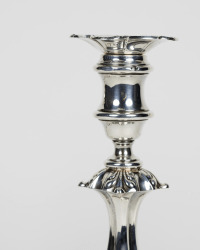
Rare Berlin wax stock holder by silversmith J. S. C. Kessler (1819–1854), with lid and wick trimmer, in excellent condition, circa 1800–1850, silver .813, 150 g, dimensions 125 × 115 × 80 mm.

AI-assisted summary

Description from the seller

Rare wax taper holder from Berlin, Germany, by the silversmith J.S.C. Kessler. Wax taper holder with lid and wick cutter.

The tremolo line is present on antique silver objects (silver authenticity).
Hallmark of the Berlin bear with K, C and H.

Tremulation line: The tremulation line is the zigzag line visible on some old silver objects. It was created when the assayer or assay master took a sample during the inspection of the piece. Since pure silver is too soft to work and can only be processed in combination with other metals (alloys), the prescribed silver content (which can vary from city to city and country) was checked after the assayer's mark was stamped. The assayer, appointed by the guilds, took a sample of silver with a flat graver. This process created the zigzag line. Only after this test did the "valid" piece receive the corresponding city mark, or fineness stamp, the assay mark. Silver suit


New beeswax wax stick including

Rare wax taper holder from Berlin, Germany, by the silversmith J.S.C. Kessler. Wax taper holder with lid and wick cutter.

The tremolo line is present on antique silver objects (silver authenticity).
Hallmark of the Berlin bear with K, C and H.

Tremulation line: The tremulation line is the zigzag line visible on some old silver objects. It was created when the assayer or assay master took a sample during the inspection of the piece. Since pure silver is too soft to work and can only be processed in combination with other metals (alloys), the prescribed silver content (which can vary from city to city and country) was checked after the assayer's mark was stamped. The assayer, appointed by the guilds, took a sample of silver with a flat graver. This process created the zigzag line. Only after this test did the "valid" piece receive the corresponding city mark, or fineness stamp, the assay mark. Silver suit


New beeswax wax stick including

Details

Era
1400-1900
Gross weight
150 g
Silver type
.813 silver
Specific region of origin
Berlin
No. of items
1
Country of Origin
Germany
Material
Silver
Designer/Artist/Maker
J. S. C. Kessler (1819 - 1854)
Condition
Excellent condition: barely used with minimal signs of wear
Height
125 mm
Width
115 mm
Depth
80 mm
Estimated period
1800-1850
Sold by
GermanyVerified
48
Objects sold
Private

Similar objects

For you in

Silver & Gold Decor