Ibn Sina, Canon Medicinae - القانون في الطب - Materia Medica, Medical Manuscripts, Drugs, Juices, Doctrine, Pathology, Anatomy, al-Andalus - 1420



05
days
15
hours
42
minutes
12
seconds

20 other people are watching this object
 Bidder 7004 Bidder 7004 | €75 | |
|---|---|---|
| Bidder 7004 | €25 | |
 Bidder 6816 Bidder 6816 | €9 | |
Catawiki Buyer Protection
Your payment’s safe with us until you receive your object.View details
Trustpilot 4.4 | 121798 reviews
Rated Excellent on Trustpilot.
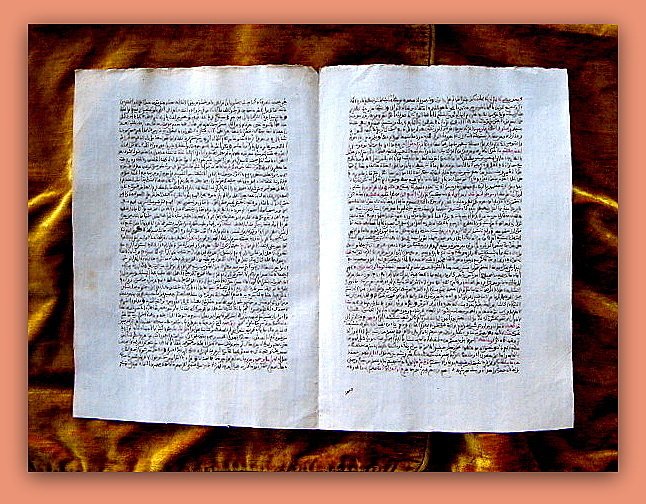
Ibn Sina, Canon Medicinae - القانون في الطب: Materia Medica, Medical Manuscripts, Drugs, Juices, Doctrine, Pathology, Anatomy, al-Andalus, Córdoba, Spain, ca. 1420–1450; signed, limited edition, 8 pages, 41 cm × 29 cm.
AI-assisted summary
Description from the seller
Ibn Sina - Canon Medicinae - القانون في الطب
MEDICAL MANUSCRIPTS
Drugs, humors, teaching, pathology, anatomy, remedies
hand-colored
al-Andalus الأندلس, Córdoba-Spain, around 1420-1450
General principles (theory and practice of medicine)
* Diseases (medicines and their effects)
* Special organs (pathology and therapy)
Contents:
*Islamic Medical Manuscript
* in red and black ink
Condition:
beautiful calligraphy
2 double sheets = 8 pages
Dimensions per double sheet = 41cm x 29cm.
The Materia Medica ("medicinal material") of the Qanun contains 760 medicines with data on their use and efficacy. Ibn Sina was the first to establish the rules, as a new medicine should be studied before being administered to patients.
In addition to the canon, there are 15 medical works by Ibn Sina, eight of which are written in verse. They contain, among other things, the 25 indications for the diagnosis of diseases, rules of hygiene, proven medications, and anatomical information.
Ibn Sina noticed the close connection between emotions and physical condition and studied the positive physical and psychological effects of music on patients.
Among the many mental disorders she describes in the Qanun is love as an illness.
Ibn Sina diagnosed the illness of the Prince of Gorgan, who was bedridden and whose suffering puzzled the local doctors.
Ibn Sina noticed a flutter in the prince's pulse when he mentioned the address and name of his lover. The great physician had a simple remedy: the patient would finally be reunited with his love.
In the 12th century the canon was translated into Latin by Gerhard of Cremona.
The work, of which 15-30 Latin editions existed throughout the West until 1470, was considered an important medical textbook until the 17th century.
In 1493 it appeared in the Hebrew version of Naples, and in 1593 it was one of the first Persian works to be printed in Arabic in Rome.
In 1650 the canon was used for the last time at the universities of Louvain and Montpellier.
Al-Andalus is the Arabic name for the Muslim-controlled parts of the Iberian Peninsula.
Legally, al-Andalus successively was a province of the Umayyad Caliphate or the Abbasids, founded by Caliph Al-Walid I.; it was followed by the Emirate of Córdoba, the Caliphate of Córdoba, and a group of Taifa kingdoms.
In the first half of the 13th century, large parts—except for the Emirate of Granada—were conquered by the Christian kingdoms. During long periods, especially during the time of the Caliphate of Córdoba, al-Andalus was a center of learning. Córdoba became a leading cultural and economic hub both of the Mediterranean region and the Islamic world.
Unique and original medical manuscripts from al-Andalus, Córdoba-Spain.
I guarantee to you the age and the originality.
Ibn Sina - Canon Medicinae - القانون في الطب
MEDICAL MANUSCRIPTS
Drugs, humors, teaching, pathology, anatomy, remedies
hand-colored
al-Andalus الأندلس, Córdoba-Spain, around 1420-1450
General principles (theory and practice of medicine)
* Diseases (medicines and their effects)
* Special organs (pathology and therapy)
Contents:
*Islamic Medical Manuscript
* in red and black ink
Condition:
beautiful calligraphy
2 double sheets = 8 pages
Dimensions per double sheet = 41cm x 29cm.
The Materia Medica ("medicinal material") of the Qanun contains 760 medicines with data on their use and efficacy. Ibn Sina was the first to establish the rules, as a new medicine should be studied before being administered to patients.
In addition to the canon, there are 15 medical works by Ibn Sina, eight of which are written in verse. They contain, among other things, the 25 indications for the diagnosis of diseases, rules of hygiene, proven medications, and anatomical information.
Ibn Sina noticed the close connection between emotions and physical condition and studied the positive physical and psychological effects of music on patients.
Among the many mental disorders she describes in the Qanun is love as an illness.
Ibn Sina diagnosed the illness of the Prince of Gorgan, who was bedridden and whose suffering puzzled the local doctors.
Ibn Sina noticed a flutter in the prince's pulse when he mentioned the address and name of his lover. The great physician had a simple remedy: the patient would finally be reunited with his love.
In the 12th century the canon was translated into Latin by Gerhard of Cremona.
The work, of which 15-30 Latin editions existed throughout the West until 1470, was considered an important medical textbook until the 17th century.
In 1493 it appeared in the Hebrew version of Naples, and in 1593 it was one of the first Persian works to be printed in Arabic in Rome.
In 1650 the canon was used for the last time at the universities of Louvain and Montpellier.
Al-Andalus is the Arabic name for the Muslim-controlled parts of the Iberian Peninsula.
Legally, al-Andalus successively was a province of the Umayyad Caliphate or the Abbasids, founded by Caliph Al-Walid I.; it was followed by the Emirate of Córdoba, the Caliphate of Córdoba, and a group of Taifa kingdoms.
In the first half of the 13th century, large parts—except for the Emirate of Granada—were conquered by the Christian kingdoms. During long periods, especially during the time of the Caliphate of Córdoba, al-Andalus was a center of learning. Córdoba became a leading cultural and economic hub both of the Mediterranean region and the Islamic world.
Unique and original medical manuscripts from al-Andalus, Córdoba-Spain.
I guarantee to you the age and the originality.
Details
Number of Books
2
Author/ Illustrator
Ibn Sina, Canon Medicinae - القانون في الطب
Book Title
Materia Medica, Medical Manuscripts, Drugs, Juices, Doctrine, Pathology, Anatomy, al-Andalus
Subject
Botany, Curio & ephemera, Medicine, Memorabilia, Natural History, Science (general)
Condition
Good
Language
Arabic
Publication year oldest item
1420
Original language
Yes
Publication year youngest item
1450
Extras
Limited edition, Signed
Height
41 cm
Number of pages
8
Width
29 cm
Signature
Signed
Sold by