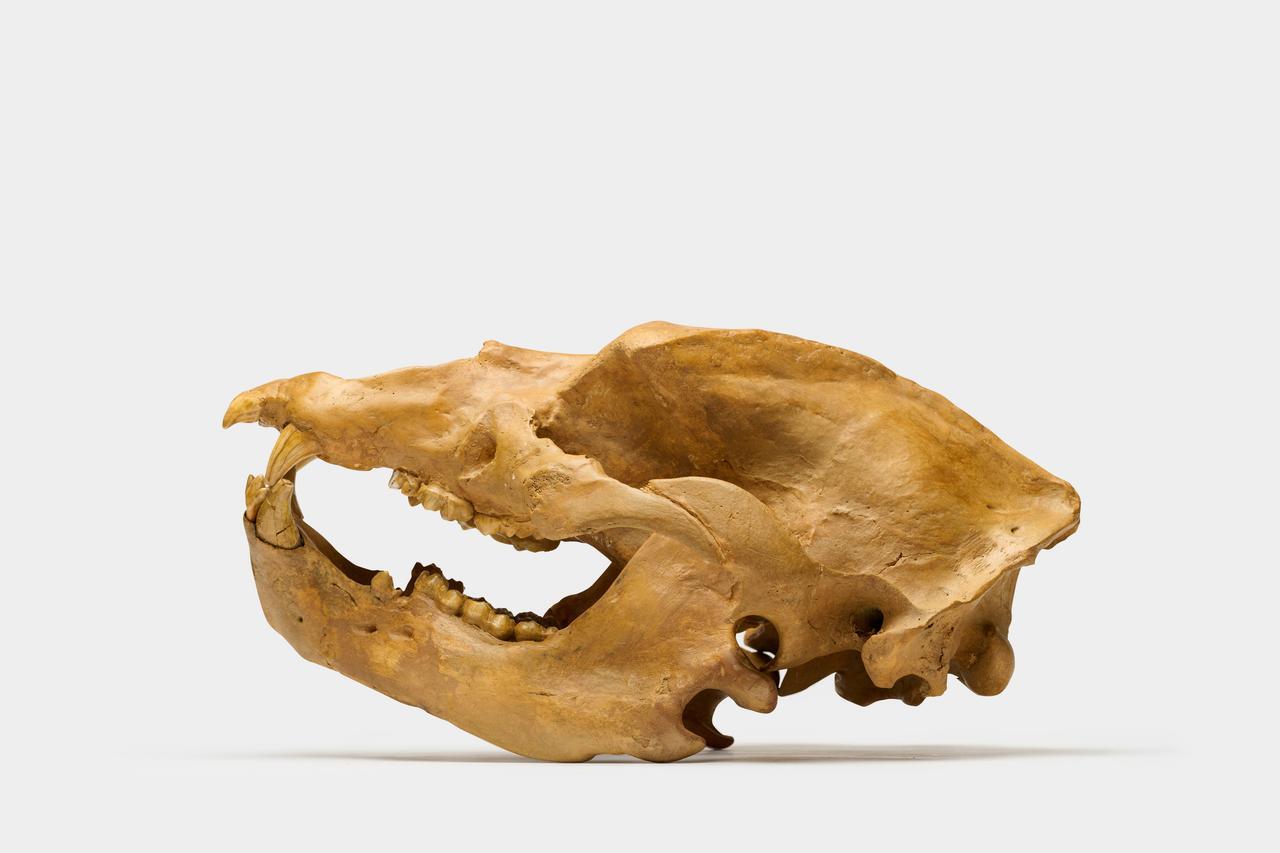
Theropod - Fossil matrix - BIG Suchomimus Claw - 24 cm


01
day
09
hours
40
minutes
50
seconds
Current bid
€ 2,800
Reserve price not met

25 other people are watching this object
 Bidder 0376 Bidder 0376 | €2,800 | |
|---|---|---|
 Bidder 8829 Bidder 8829 | €2,600 | |
| Bidder 0376 | €2,400 | |
Catawiki Buyer Protection
Your payment’s safe with us until you receive your object.View details
Trustpilot 4.4 | 121798 reviews
Rated Excellent on Trustpilot.
Scientific name BIG Suchomimus Claw; Specimen Theropod; Geological Period Lower Cretaceous; Treatment Conserved; Condition Natural; Country of Origin Nigeria; Height 24 cm; approximately 92% complete; a large and rare Suchomimus claw fossil.
AI-assisted summary
Description from the seller
This is a large Suchomimus Claw. It is also a real claw fossil, not ground from other bones. The bone structure is very well preserved and the shape of the claw is very beautiful. It is a large and rare dinosaur claw fossil. The curved length of the claw is 24 cm. The claw is about 92% complete, which is rare for such a large claw to be so complete in the world.
Suchomimus is classified in the family Spinosauridae, a group of large predators with a head shaped for hunting fish. However, compared to other large theropods (such as tyrannosaurids or carcharodontosaurids), the skeletal structure of spinosaurs is less robust, especially in the head, leading some scientists to question whether spinosaurs could hunt large of prey. Apart from its dorsal spine, Suchomimus was very similar to Baryonyx, which also had strong forelimbs and a huge sickle-shaped thumb claw. The claws of Suchomimus and Baryonyx were the first fossil parts that paleontologists noticed. Based on the only holotype specimen, Suchomimus was larger than Baryonyx. A few paleontologists believe that Baryonyx may be a juvenile of Suchomimus, and that Spinosaurus may be the same animal as Suchomimus.
This is a large Suchomimus Claw. It is also a real claw fossil, not ground from other bones. The bone structure is very well preserved and the shape of the claw is very beautiful. It is a large and rare dinosaur claw fossil. The curved length of the claw is 24 cm. The claw is about 92% complete, which is rare for such a large claw to be so complete in the world.
Suchomimus is classified in the family Spinosauridae, a group of large predators with a head shaped for hunting fish. However, compared to other large theropods (such as tyrannosaurids or carcharodontosaurids), the skeletal structure of spinosaurs is less robust, especially in the head, leading some scientists to question whether spinosaurs could hunt large of prey. Apart from its dorsal spine, Suchomimus was very similar to Baryonyx, which also had strong forelimbs and a huge sickle-shaped thumb claw. The claws of Suchomimus and Baryonyx were the first fossil parts that paleontologists noticed. Based on the only holotype specimen, Suchomimus was larger than Baryonyx. A few paleontologists believe that Baryonyx may be a juvenile of Suchomimus, and that Spinosaurus may be the same animal as Suchomimus.
Details
Specimen
Theropod
Scientific name
BIG Suchomimus Claw
Country of Origin
Nigeria
Geological Period
Cretaceous, Lower (145 - 100.5 million years)
Condition
Natural
Treatment
Conserved
Height
24 cm
Sold by
Disclaimer
The seller was informed by Catawiki about documentation requirements and guarantees the following: - the object was legally obtained, - the seller has the right to sell and/or export the object, as relevant, - the seller will provide the necessary provenance information and arrange required documentation and permits/licenses, as applicable and as per local laws, - the seller will notify the buyer of any delays in obtaining permits/licenses. By bidding, you acknowledge that import documentation may be required depending on your country of residence and that obtaining permits/licenses may cause delays in the delivery of your object.
The seller was informed by Catawiki about documentation requirements and guarantees the following: - the object was legally obtained, - the seller has the right to sell and/or export the object, as relevant, - the seller will provide the necessary provenance information and arrange required documentation and permits/licenses, as applicable and as per local laws, - the seller will notify the buyer of any delays in obtaining permits/licenses. By bidding, you acknowledge that import documentation may be required depending on your country of residence and that obtaining permits/licenses may cause delays in the delivery of your object.