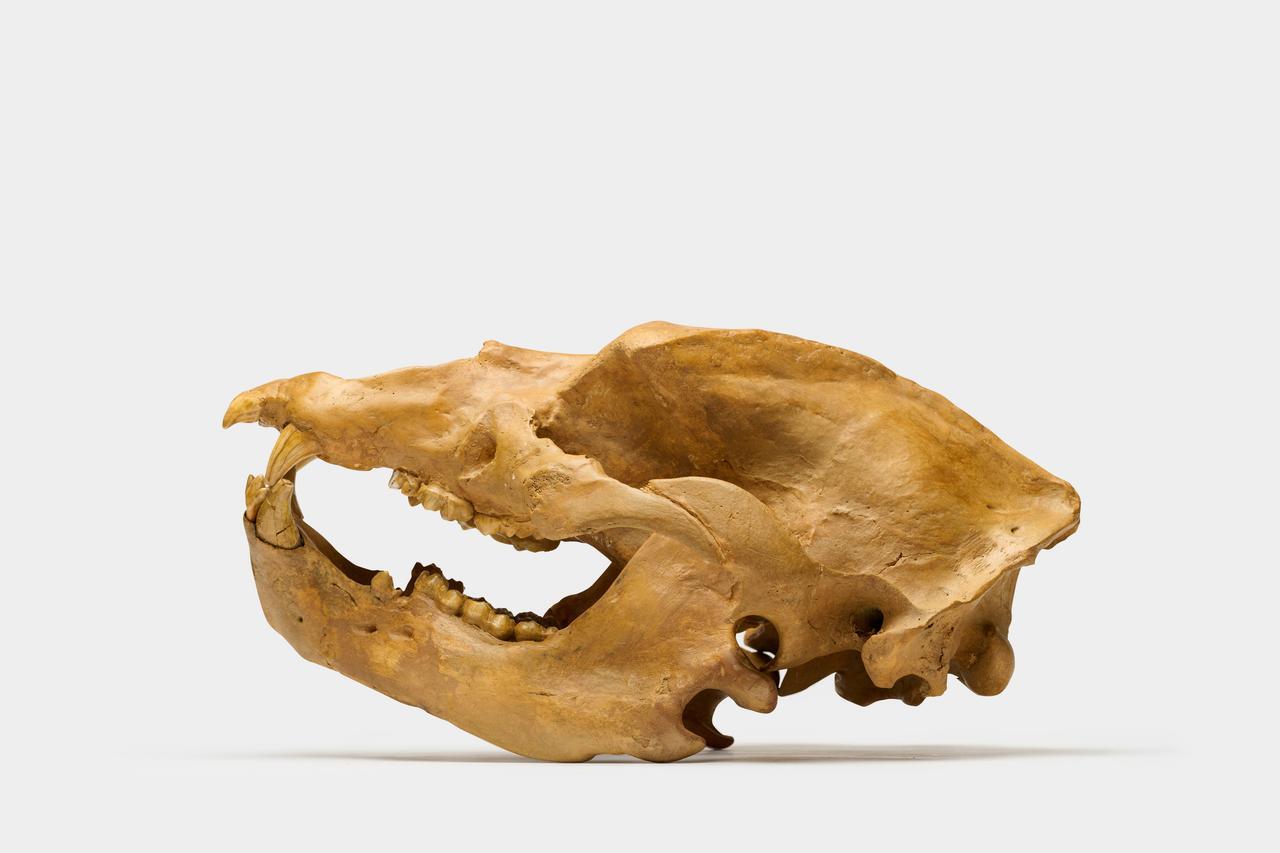
Mammut Lanoso - Fossil Bones - Artistic Mounting - Sophisticated Wood and Brass Base - Fossil skeleton - Mammuthus Primigenius - 430 mm - 300 mm


02
days
11
hours
24
minutes
35
seconds

17 other people are watching this object
 Bidder 8083 Bidder 8083 | €2 |
|---|
Catawiki Buyer Protection
Your payment’s safe with us until you receive your object.View details
Trustpilot 4.4 | 121798 reviews
Rated Excellent on Trustpilot.
Scientific name Mammuthus Primigenius; Specimen Mammut Lanoso – fossil bones with artistic mounting on a hand-turned wood and brass base; Geological Period Pleistocene (Quaternary); Condition natural.
AI-assisted summary
Description from the seller
An interesting pair of mammoth fossils, the hip socket of the pelvis and the corresponding femoral head.
To make this discovery even more exclusive and to properly position the remains of these bones, we created a base in wood and brass, hand-turned.
Elegant and refined, it will be a pleasure for the eyes when displayed in a salon or studio.
The Mammuthus primigenius, also known as the woolly mammoth, was one of the last mammoths to inhabit our planet. Living between 200,000 and 5,000 years ago, they diverged from other mammoths to adapt to the cold climates of the north: they were smaller, had a very dense and thick coat of hair, with hairs that could reach a meter in length; they had smaller ears but larger tusks, and they developed a sort of hump that served as an adipose deposit for periods of scarcity.
Dimensions: 430×300×190 mm
Weight: 4670 g
Epoch: Pleistocene
Origin: North Seas
Seller's Story
The Mineral Art Gallery offers minerals, fossils, shells and natural elements.
Born in Italy in 2017, today she collaborates with international galleries and collectors, she is a direct importer of large minerals and naturalistic collectible elements; deals with the processing to insert them inside the living space. A section of the gallery was dedicated to the Wunderkammer, "chamber of wonders or cabinet of curiosities" in which Mirabilia elements are presented: naturalia and italiania, a union between "the present is the past".
All lots are shipped via DHL Express and Fercam couriers, with insured parcel and tracking.
Translated by Google TranslateAn interesting pair of mammoth fossils, the hip socket of the pelvis and the corresponding femoral head.
To make this discovery even more exclusive and to properly position the remains of these bones, we created a base in wood and brass, hand-turned.
Elegant and refined, it will be a pleasure for the eyes when displayed in a salon or studio.
The Mammuthus primigenius, also known as the woolly mammoth, was one of the last mammoths to inhabit our planet. Living between 200,000 and 5,000 years ago, they diverged from other mammoths to adapt to the cold climates of the north: they were smaller, had a very dense and thick coat of hair, with hairs that could reach a meter in length; they had smaller ears but larger tusks, and they developed a sort of hump that served as an adipose deposit for periods of scarcity.
Dimensions: 430×300×190 mm
Weight: 4670 g
Epoch: Pleistocene
Origin: North Seas
Seller's Story
The Mineral Art Gallery offers minerals, fossils, shells and natural elements.
Born in Italy in 2017, today she collaborates with international galleries and collectors, she is a direct importer of large minerals and naturalistic collectible elements; deals with the processing to insert them inside the living space. A section of the gallery was dedicated to the Wunderkammer, "chamber of wonders or cabinet of curiosities" in which Mirabilia elements are presented: naturalia and italiania, a union between "the present is the past".
All lots are shipped via DHL Express and Fercam couriers, with insured parcel and tracking.
Translated by Google TranslateDetails
Specimen
Mammut Lanoso - Fossil Bones - Artistic Mounting - Sophisticated Wood and Brass Base
Scientific name
Mammuthus Primigenius
Country of Origin
Italian Handmade Base - North Seas
Geological Period
Quaternary, Pleistocene (2.58 - 0.0117 million years)
Condition
Natural
Weight
4.67 kg
Height
430 mm
Width
300 mm
Depth
190 mm
Sold by