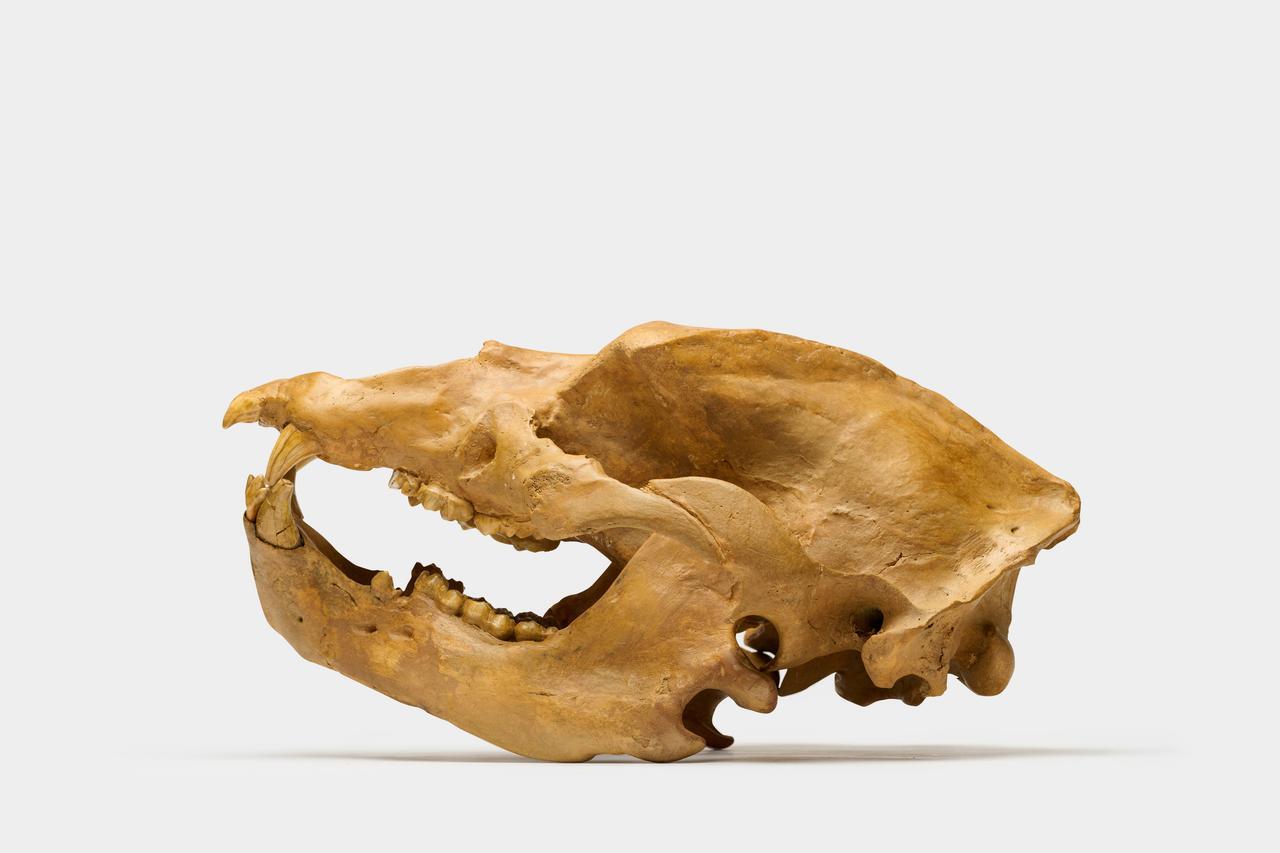
Marine reptile - Fossil skeleton - Plesiosaur Elasmosaur - 6 m - 2 m


02
days
10
hours
45
minutes
36
seconds
Current bid
€ 5,000
Reserve price not met

60 other people are watching this object
 Bidder 6878 Bidder 6878 | €5,000 | |
|---|---|---|
 Bidder 6829 Bidder 6829 | €4,293 | |
 Bidder 4703 Bidder 4703 | €1,532 | |
Catawiki Buyer Protection
Your payment’s safe with us until you receive your object.View details
Trustpilot 4.4 | 121798 reviews
Rated Excellent on Trustpilot.
Scientific name Plesiosaur Elasmosaur; specimen marine reptile; geological period Late Cretaceous (100.5–66 million years); treatment Composite; condition Natural.
AI-assisted summary
Description from the seller
Plesiosaurs belong to the clade Sauropterygia, the largest group of marine reptiles from the Mesozoic. Sauropterygians appeared in the early Triassic and quickly became highly diverse, although most went extinct at the end of that period, except for plesiosaurs, which not only survived but were very common and diverse until their disappearance at the end of the Cretaceous. Sauropterygians were sauropsids (like most reptiles and birds), diapsids (meaning they have two temporal openings in the skull), possibly related to turtles or archosaurs, the group that includes dinosaurs and crocodiles.
The elasmosaurids (Family Elasmosauridae) were enormous plesiosauroids from the Cretaceous seas, characterized by their extremely long necks, often composed of more than 60 vertebrae, which distinguished them from other plesiosaurs.
It remains in its natural state; don't miss the opportunity to own a piece of natural history in your collection.
Sent insured
Seller's Story
Enjoy a true journey through natural history with our top-quality products. We offer the most fearsome and predatory species of their time, such as Mosasaurus and Plesiosaurus skeletons and skulls, as well as shark teeth and other fish. Our fossils are ideal for private collections or museums.
Translated by Google TranslatePlesiosaurs belong to the clade Sauropterygia, the largest group of marine reptiles from the Mesozoic. Sauropterygians appeared in the early Triassic and quickly became highly diverse, although most went extinct at the end of that period, except for plesiosaurs, which not only survived but were very common and diverse until their disappearance at the end of the Cretaceous. Sauropterygians were sauropsids (like most reptiles and birds), diapsids (meaning they have two temporal openings in the skull), possibly related to turtles or archosaurs, the group that includes dinosaurs and crocodiles.
The elasmosaurids (Family Elasmosauridae) were enormous plesiosauroids from the Cretaceous seas, characterized by their extremely long necks, often composed of more than 60 vertebrae, which distinguished them from other plesiosaurs.
It remains in its natural state; don't miss the opportunity to own a piece of natural history in your collection.
Sent insured
Seller's Story
Enjoy a true journey through natural history with our top-quality products. We offer the most fearsome and predatory species of their time, such as Mosasaurus and Plesiosaurus skeletons and skulls, as well as shark teeth and other fish. Our fossils are ideal for private collections or museums.
Translated by Google TranslateDetails
Number of items
1
Specimen
Marine reptile
Scientific name
Plesiosaur Elasmosaur
Country of Origin
Morocco
Geological Period
Cretaceous, Upper (100.5 - 66 million years)
Condition
Natural
Treatment
Composite
Height
6 m
Width
2 m
Depth
2.3 m
Disclaimer
The seller was informed by Catawiki about documentation requirements and guarantees the following: - the object was legally obtained, - the seller has the right to sell and/or export the object, as relevant, - the seller will provide the necessary provenance information and arrange required documentation and permits/licenses, as applicable and as per local laws, - the seller will notify the buyer of any delays in obtaining permits/licenses. By bidding, you acknowledge that import documentation may be required depending on your country of residence and that obtaining permits/licenses may cause delays in the delivery of your object.
The seller was informed by Catawiki about documentation requirements and guarantees the following: - the object was legally obtained, - the seller has the right to sell and/or export the object, as relevant, - the seller will provide the necessary provenance information and arrange required documentation and permits/licenses, as applicable and as per local laws, - the seller will notify the buyer of any delays in obtaining permits/licenses. By bidding, you acknowledge that import documentation may be required depending on your country of residence and that obtaining permits/licenses may cause delays in the delivery of your object.