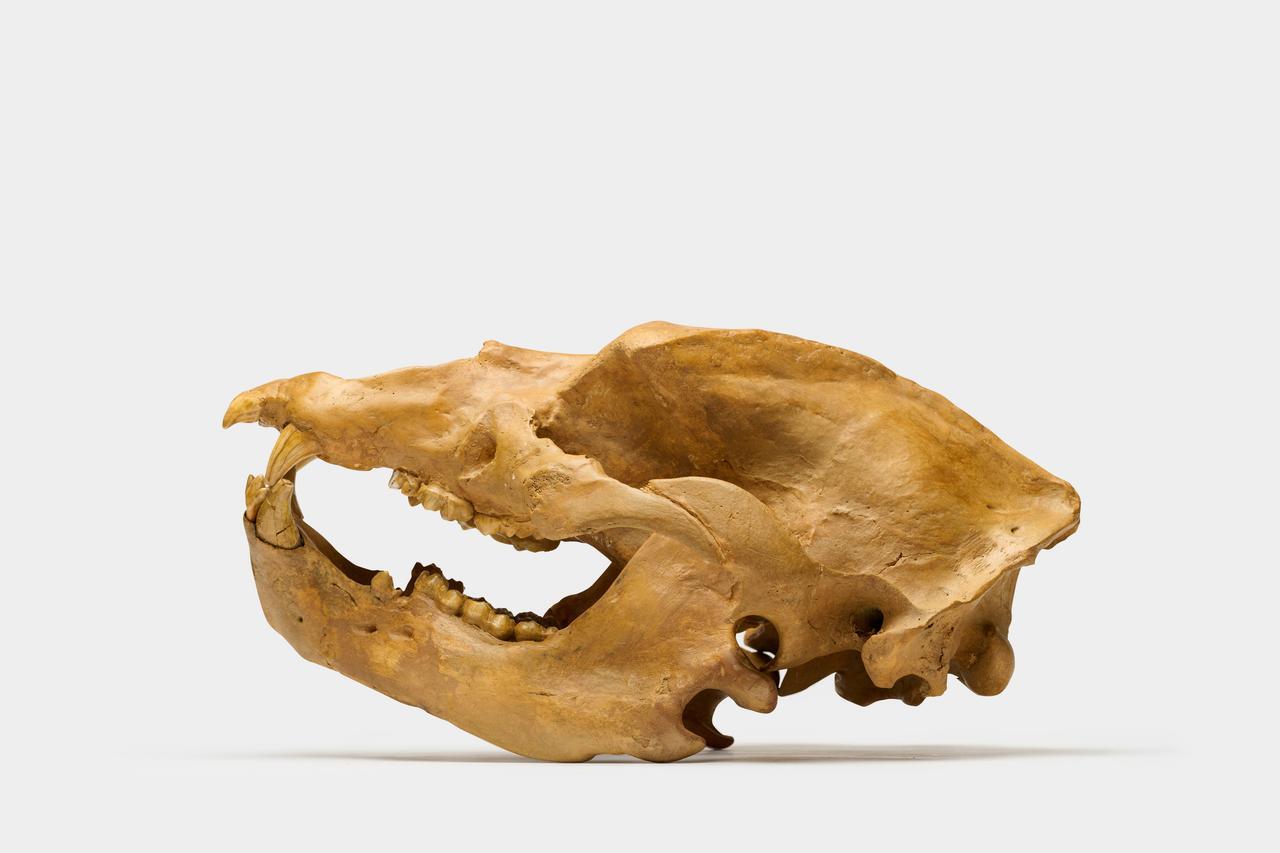
Mosasaur - Fossil skull - Platecarpus - 80 cm


00
days
11
hours
48
minutes
19
seconds

50 other people are watching this object
 Bidder 6376 Bidder 6376 | €1,400 | |
|---|---|---|
 Bidder 4383 Bidder 4383 | €270 | |
 Bidder 1693 Bidder 1693 | €250 | |
Catawiki Buyer Protection
Your payment’s safe with us until you receive your object.View details
Trustpilot 4.4 | 121899 reviews
Rated Excellent on Trustpilot.
Platecarpus mosasaur skull, 80 cm long, a natural fossil from the Late Cretaceous of Morocco; specimen Platecarpus, treatment: composite, condition: natural.
AI-assisted summary
Description from the seller
Platecarpus Mosasaur skull, 80 cm - Rare Cretaceous fossil
This skull of a Platecarpus mosasaur, measuring 80 cm in length, is a remarkable fossil from the Late Cretaceous period, dating back around 85 million years. The Platecarpus mosasaurs were marine predators, and this skull showcases the impressive structure of these oceanic reptiles.
Size: At 80 cm, this fossil is a well-preserved specimen of a medium-sized Platecarpus, offering a rare opportunity to acquire a piece of natural history. The skull is in excellent condition, with clear structural details. The elongated snout, robust jaws, and cranial features are well preserved, making it a scientifically valuable and display-worthy fossil.
A minor restoration has been applied to reinforce its natural structure, ensuring it remains stable while preserving as much of the original fossil as possible.
Seller's Story
Enjoy a true journey through natural history with our top-quality products. We offer the most fearsome and predatory species of their time, such as Mosasaurus and Plesiosaurus skeletons and skulls, as well as shark teeth and other fish. Our fossils are ideal for private collections or museums.
Translated by Google TranslatePlatecarpus Mosasaur skull, 80 cm - Rare Cretaceous fossil
This skull of a Platecarpus mosasaur, measuring 80 cm in length, is a remarkable fossil from the Late Cretaceous period, dating back around 85 million years. The Platecarpus mosasaurs were marine predators, and this skull showcases the impressive structure of these oceanic reptiles.
Size: At 80 cm, this fossil is a well-preserved specimen of a medium-sized Platecarpus, offering a rare opportunity to acquire a piece of natural history. The skull is in excellent condition, with clear structural details. The elongated snout, robust jaws, and cranial features are well preserved, making it a scientifically valuable and display-worthy fossil.
A minor restoration has been applied to reinforce its natural structure, ensuring it remains stable while preserving as much of the original fossil as possible.
Seller's Story
Enjoy a true journey through natural history with our top-quality products. We offer the most fearsome and predatory species of their time, such as Mosasaurus and Plesiosaurus skeletons and skulls, as well as shark teeth and other fish. Our fossils are ideal for private collections or museums.
Translated by Google TranslateDetails
Number of items
1
Specimen
Mosasaur
Scientific name
Platecarpus
Country of Origin
Morocco
Geological Period
Cretaceous (145 - 66 million years)
Condition
Natural
Treatment
Composite
Height
80 cm
Depth
30 cm