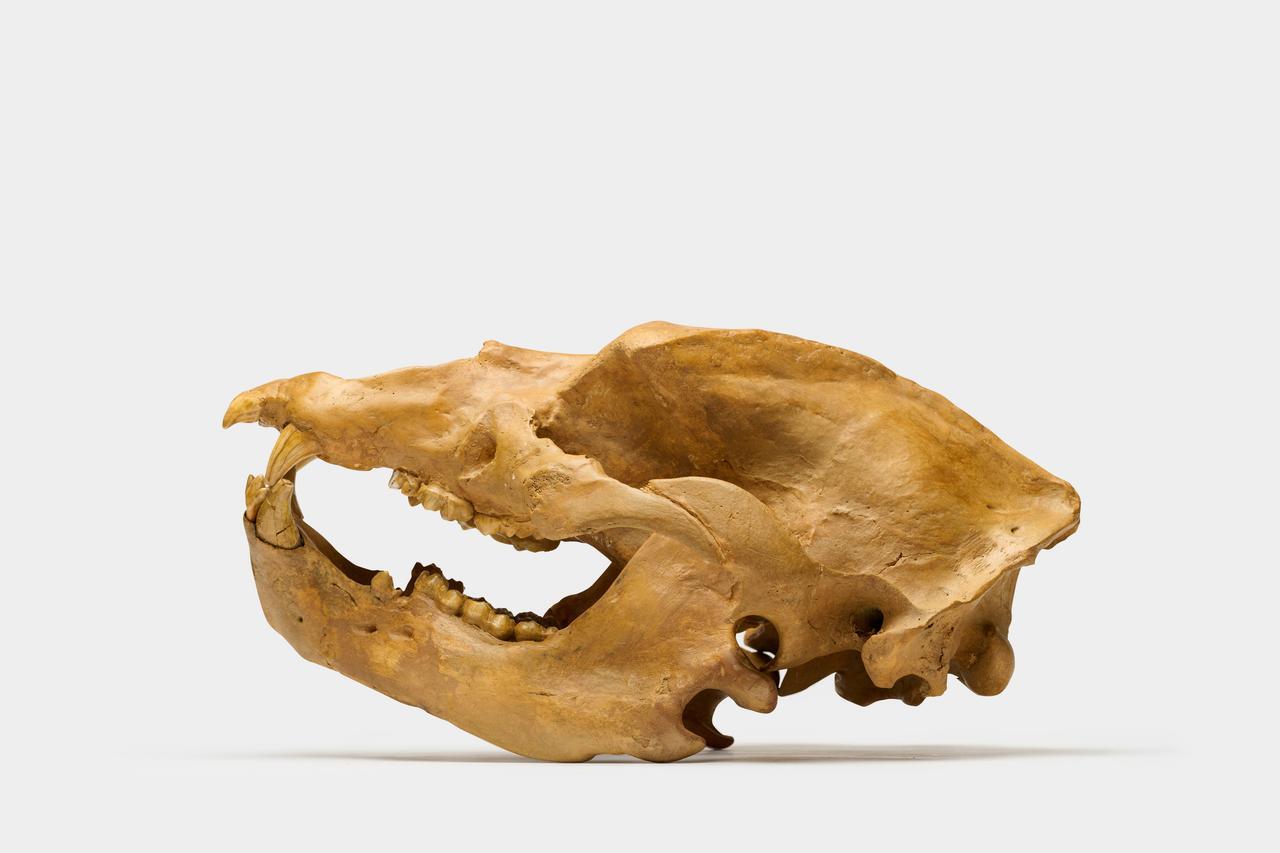
Marine reptile - Fossilised animal - Fossil de Keichousaurus - 32.5 cm - 19.9 cm


Opens 11:00
Starting bid
€ 1
Add to your favourites to get an alert when the auction starts.

Catawiki Buyer Protection
Your payment’s safe with us until you receive your object.View details
Trustpilot 4.4 | 121899 reviews
Rated Excellent on Trustpilot.
Description from the seller
Keichousaurus marine reptile fossil
Sizes: 32.5x19.9x2.3cm
Weight: 3356Gr
This fossil has been restored using a sandblasting process and all the details of the skeleton are very clear.
It is very rare with a body length exceeding 30 cm.
This fossil was glued onto another plate of the same material to increase its hardness.
Sandblasting, as its name indicates, involves using sand to blast fossils! Its operating principle is to mimic the desert wind blowing grains of sand, allowing rocks to naturally weather and expose the fossilized body! Sandblasting artificially accelerates this aging process! The sandblasting process involves creating pressurized air through an air pump. Depending on the hardness of the surrounding fossil rock, the air pressure is then adjusted to control the amount of sand produced. The fossil to be repaired is placed into the container holding the sand, with sand particles blown into the nozzle through the connecting pipe, and then the restorer can begin work by controlling the power and speed of the blasting, as well as local blasting.
Keichousaurus is an extinct genus of marine reptiles from the family Pachypleurosauridae. It lived during the Middle Triassic (Ladinian), approximately between 242 and 237 million years ago.
This aquatic animal is nowadays mostly found fossilized in China, particularly in the Guizhou province.
Keichousaurus marine reptile fossil
Sizes: 32.5x19.9x2.3cm
Weight: 3356Gr
This fossil has been restored using a sandblasting process and all the details of the skeleton are very clear.
It is very rare with a body length exceeding 30 cm.
This fossil was glued onto another plate of the same material to increase its hardness.
Sandblasting, as its name indicates, involves using sand to blast fossils! Its operating principle is to mimic the desert wind blowing grains of sand, allowing rocks to naturally weather and expose the fossilized body! Sandblasting artificially accelerates this aging process! The sandblasting process involves creating pressurized air through an air pump. Depending on the hardness of the surrounding fossil rock, the air pressure is then adjusted to control the amount of sand produced. The fossil to be repaired is placed into the container holding the sand, with sand particles blown into the nozzle through the connecting pipe, and then the restorer can begin work by controlling the power and speed of the blasting, as well as local blasting.
Keichousaurus is an extinct genus of marine reptiles from the family Pachypleurosauridae. It lived during the Middle Triassic (Ladinian), approximately between 242 and 237 million years ago.
This aquatic animal is nowadays mostly found fossilized in China, particularly in the Guizhou province.
Details
Number of items
1
Specimen
Marine reptile
Scientific name
Fossil de Keichousaurus
Country of Origin
Asia
Geological Period
Triassic (251.9 - 201.3 million years)
Condition
Natural
Weight
3356 g
Height
32.5 cm
Width
19.9 cm
Depth
2.3 cm
Sold by