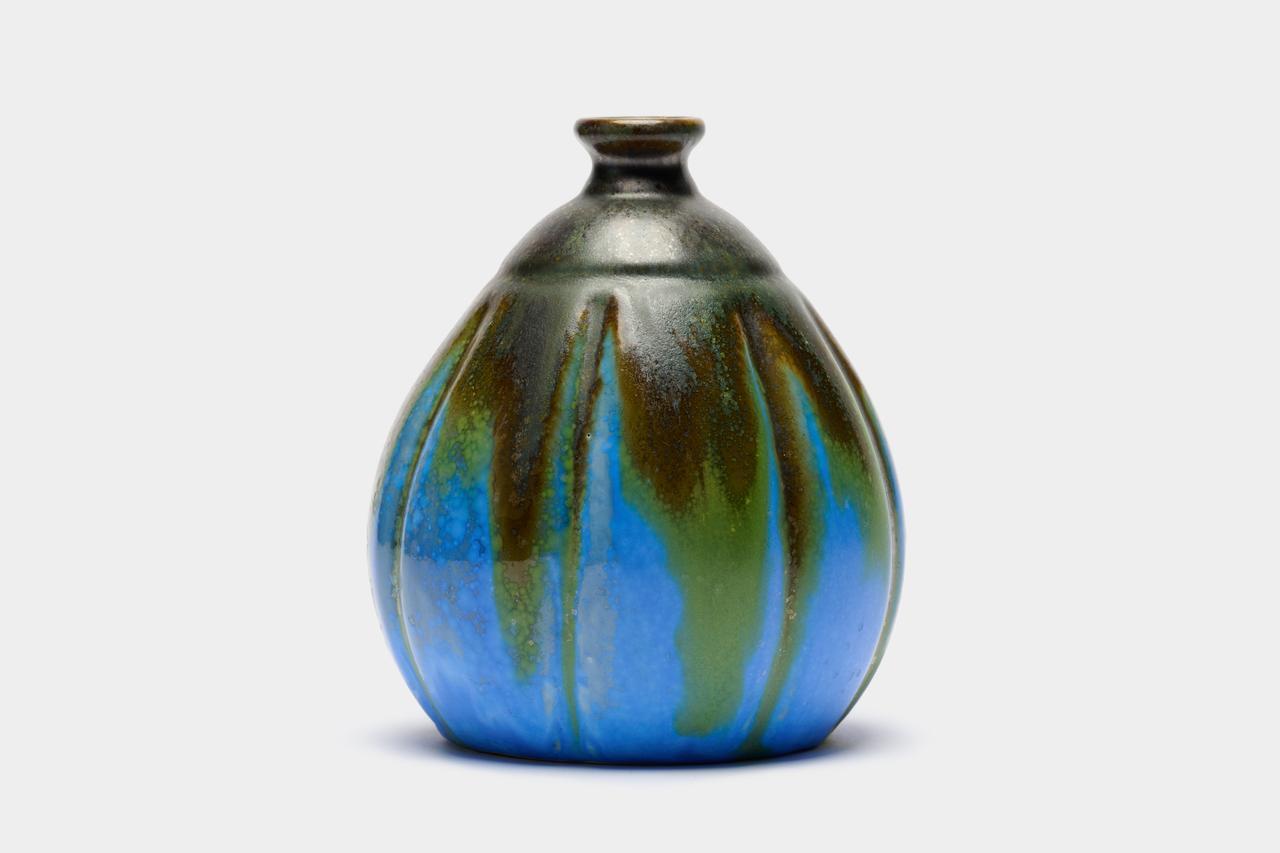
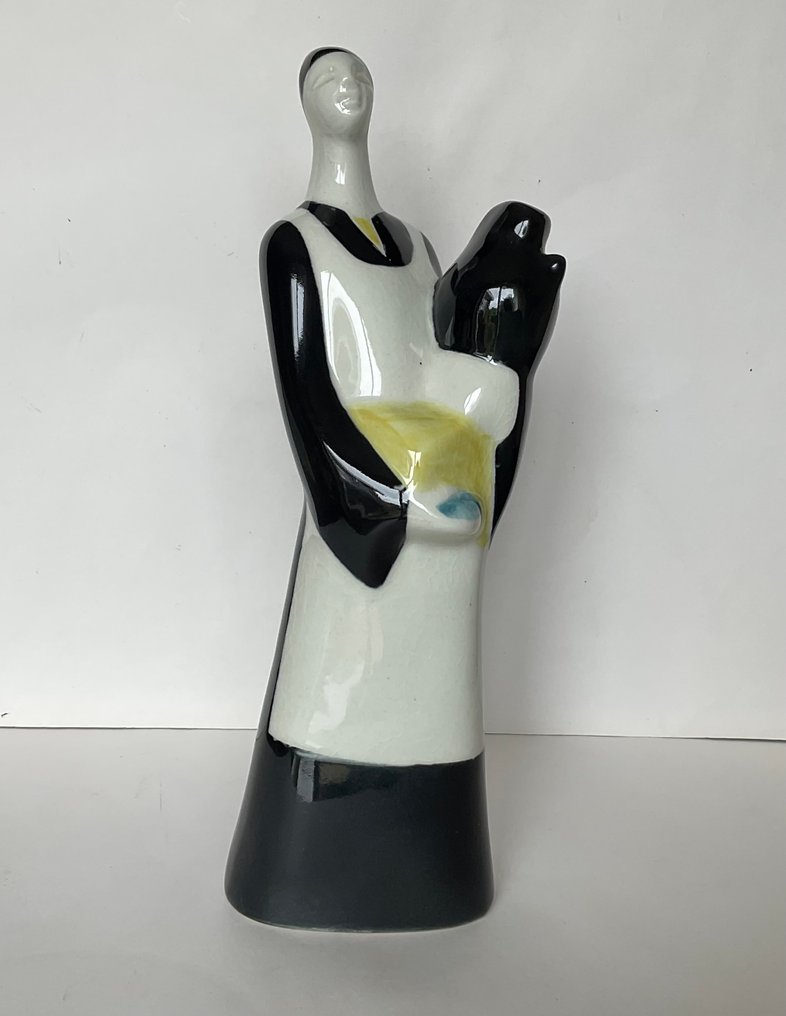
Artwork - Hassan Heshmat (1920 - juli 2006) - Sculpture, Vrouw - 26.2 cm - Porcelain


05
days
13
hours
33
minutes
41
seconds
Starting bid
€ 1
No reserve price

Expert
Selected by John Laurance
Thirty years' experience in decorative objects and two decades as shop owner.
Estimate € 170 - € 200
No bids placed
Catawiki Buyer Protection
Your payment’s safe with us until you receive your object.View details
Trustpilot 4.4 | 122290 reviews
Rated Excellent on Trustpilot.
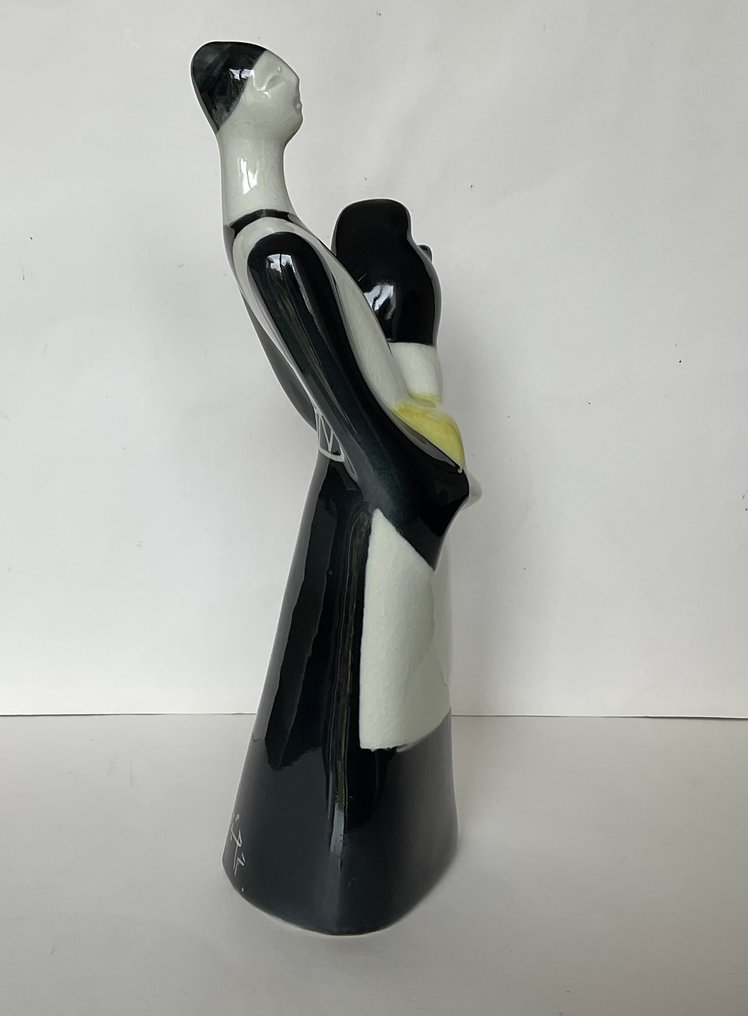
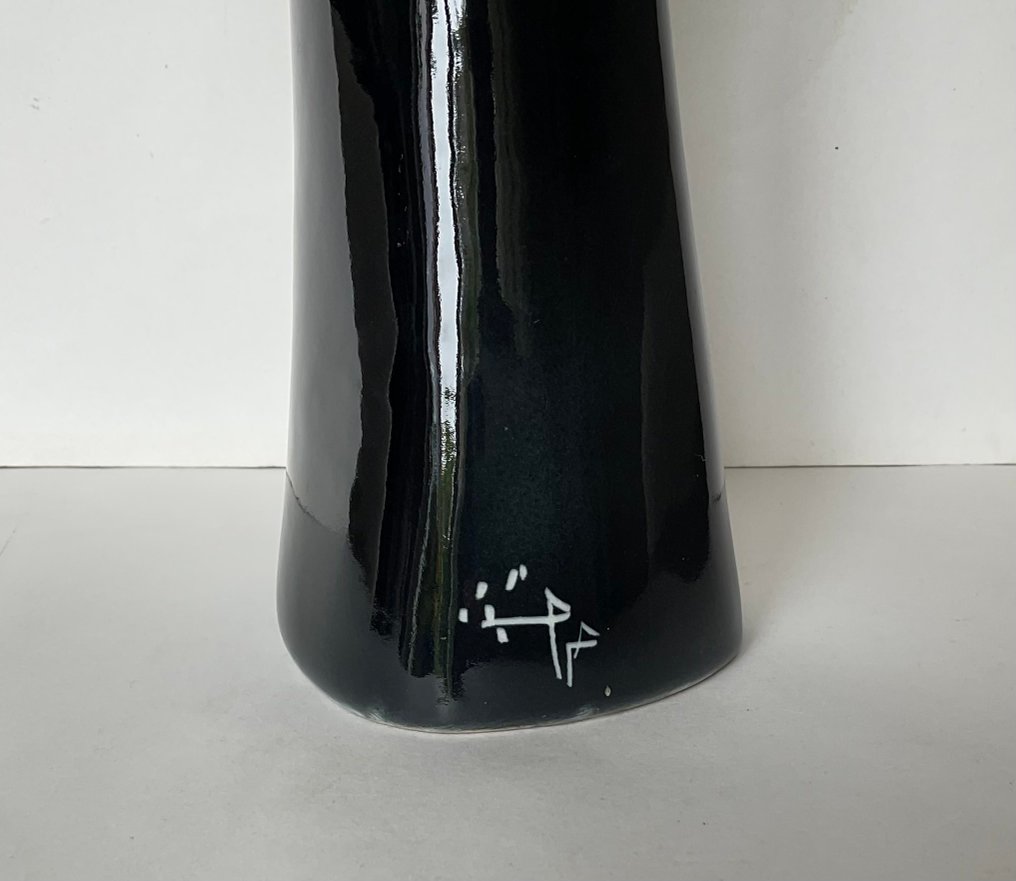
A unique mid-century modern porcelain sculpture by Hassan Heshmat (1920–2006), titled Vrouw, in black, white, yellow and blue, measuring 8 cm wide, 26.2 cm high and 8.5 cm deep, signed on the back under the glaze, originating from Egypt and in good condition.
AI-assisted summary
Description from the seller
A unique artwork, a modernist porcelain female figurine by Hassan Heshmat, rare modern piece from around the 1950s/60s. Very original object, the shape references the design of the 'new look' from the 1950s. The figurine is signed under the glaze on the back and has a ? inscription on the stand.
Hassan Heshmat (1920 – July 2006) was an Egyptian sculptor. Born in Menouf, Egypt, he studied and graduated from the Porcelain Academy in Germany in 1958.
Art reflects patriotic and emotional themes.
Condition: signs of use, in good condition.
Size: height 26.2 cm, width approximately 8 cm, depth approximately 8.5 cm
Weight: 644 g
Registered insured shipment.
Documentation from the internet.
As a productive artist, Hassan Heshmat designed and produced works with accessibility in mind, creating complex, scalable pieces in both large and smaller formats. He was the first Egyptian sculptor to cast miniature porcelain sculptures, which became widely collected and admired. Heshmat created several large-scale sculptures, including some commissioned for public installations in Egypt and abroad. He designed the Bride of the Red Sea, an iconic eight-meter sculpture that became a symbol of the Red Sea government. In addition to sculptures and installations, Heshmat created drawings, paintings, and reliefs in his own distinctive visual language.
Throughout his career, Heshmat frequently exhibited his work, both in group and solo exhibitions, locally and internationally. He had notable solo exhibitions in London (1956), Paris (1957), West Germany (1958), Syria (1960), Rome (1967), Geneva and Frankfurt (1968), the Netherlands and Stockholm (1969), Belgium (1970), Norway (1971), and Lausanne (1976). His work can be found in the collections of the Museum of Modern Art in Cairo, the Museum of Applied Arts in Budapest, the Musée de l'Homme in Paris, the National Museum of Warsaw, the Peking Museum in China, and the Hassan Heshmat Museum, located in Ain Shams.
A unique artwork, a modernist porcelain female figurine by Hassan Heshmat, rare modern piece from around the 1950s/60s. Very original object, the shape references the design of the 'new look' from the 1950s. The figurine is signed under the glaze on the back and has a ? inscription on the stand.
Hassan Heshmat (1920 – July 2006) was an Egyptian sculptor. Born in Menouf, Egypt, he studied and graduated from the Porcelain Academy in Germany in 1958.
Art reflects patriotic and emotional themes.
Condition: signs of use, in good condition.
Size: height 26.2 cm, width approximately 8 cm, depth approximately 8.5 cm
Weight: 644 g
Registered insured shipment.
Documentation from the internet.
As a productive artist, Hassan Heshmat designed and produced works with accessibility in mind, creating complex, scalable pieces in both large and smaller formats. He was the first Egyptian sculptor to cast miniature porcelain sculptures, which became widely collected and admired. Heshmat created several large-scale sculptures, including some commissioned for public installations in Egypt and abroad. He designed the Bride of the Red Sea, an iconic eight-meter sculpture that became a symbol of the Red Sea government. In addition to sculptures and installations, Heshmat created drawings, paintings, and reliefs in his own distinctive visual language.
Throughout his career, Heshmat frequently exhibited his work, both in group and solo exhibitions, locally and internationally. He had notable solo exhibitions in London (1956), Paris (1957), West Germany (1958), Syria (1960), Rome (1967), Geneva and Frankfurt (1968), the Netherlands and Stockholm (1969), Belgium (1970), Norway (1971), and Lausanne (1976). His work can be found in the collections of the Museum of Modern Art in Cairo, the Museum of Applied Arts in Budapest, the Musée de l'Homme in Paris, the National Museum of Warsaw, the Peking Museum in China, and the Hassan Heshmat Museum, located in Ain Shams.
Details
Era
1900-2000
Manufacturer/ Brand
Artwork
Country of Origin
Egypt
Style
Mid-century modern
Material
Porcelain
Artist
Hassan Heshmat (1920 - juli 2006)
Title of artwork
Vrouw
Signature
Signed
Indigenous object name
Text on the stand
Colour
Black, Blue, White, Yellow
Condition
Good condition
Height
26.2 cm
Width
8 cm
Depth
8.5 cm