what - Cameroon


05
days
11
hours
33
minutes
38
seconds
Starting bid
€ 1
Reserve price not met

Expert
Selected by Dimitri André
Holds a postgraduate degree in African studies and 15 years experience in African art.
Estimate € 700 - € 800
No bids placed
Catawiki Buyer Protection
Your payment’s safe with us until you receive your object.View details
Trustpilot 4.4 | 122529 reviews
Rated Excellent on Trustpilot.
Description from the seller
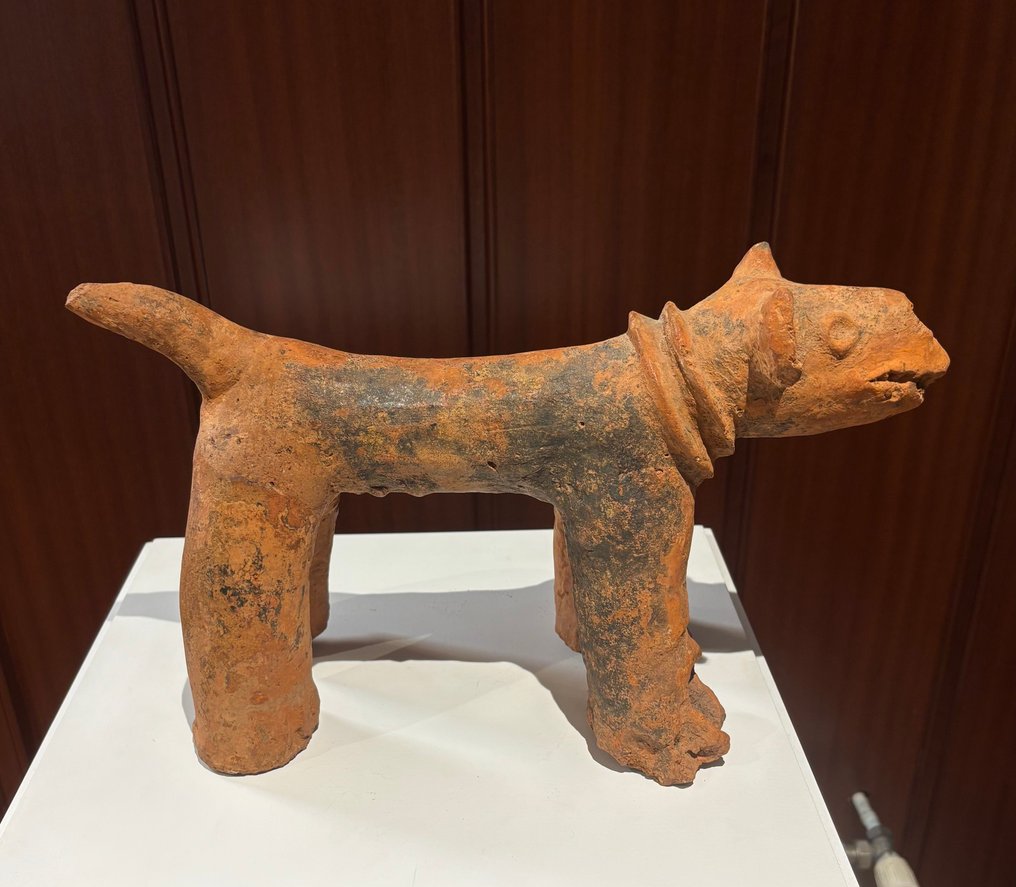
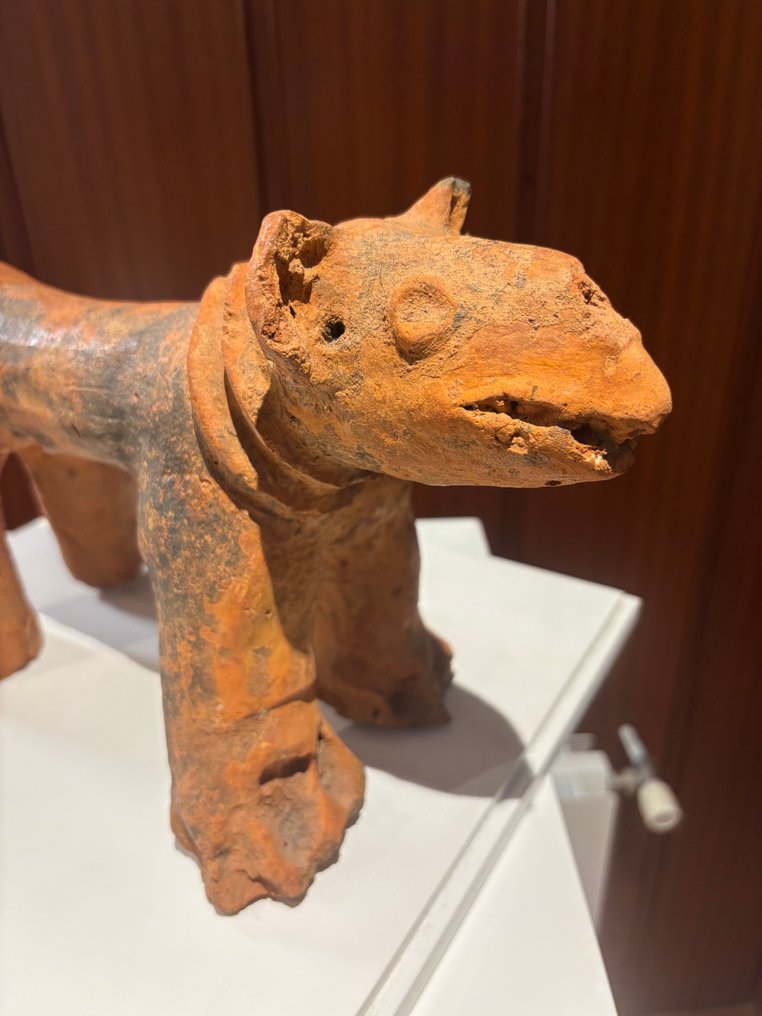
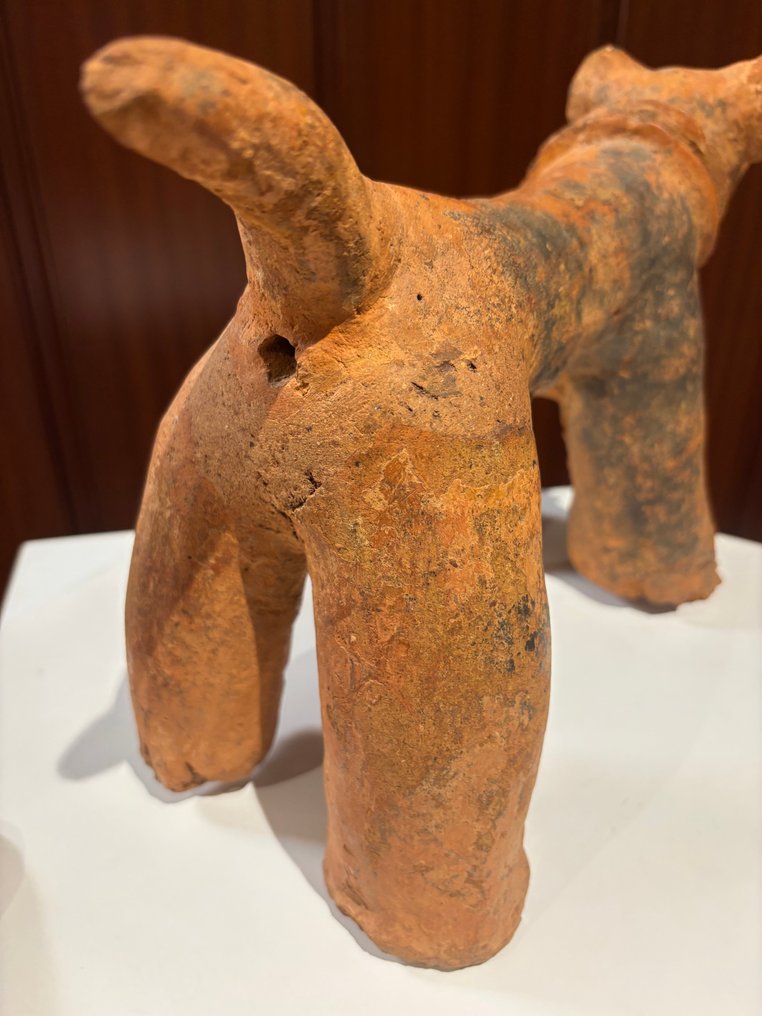
The Sao are mainly known for their oldest terracottas. The peak of this civilization occurred during the 2nd and 13th centuries, although according to the 14th century B.C. evidence, the first remains with zoomorphic forms began to appear, and from the 10th century AD, the first figures with human anatomical forms, minimally modeled and with roughly sculpted faces, appeared. The bronze figurines, crafted by blacksmiths from the Lake Chad basin using the lost wax technique, are much later and were made by the Kotoko, an ethnic group that currently inhabits the same territories. These small figures were created to honor ancestors and are also believed to possess protective powers, like talismans against diseases. Women also carried these figures as jewelry, which, besides their therapeutic virtues, were particularly effective during possession crises. Their ceramic and metallurgical productions are abundant, especially from the 14th to 16th centuries.
The seller guarantees and can prove that the object was obtained legally. The seller was informed by Catawiki that they had to provide the documentation required by the laws and regulations in their country of residence. The seller guarantees and is entitled to sell/export this object. The seller will provide all provenance information known about the object to the buyer. The seller ensures that any necessary permits are/will be arranged. The seller will inform the buyer immediately about any delays in obtaining such permits.
The Sao are mainly known for their oldest terracottas. The peak of this civilization occurred during the 2nd and 13th centuries, although according to the 14th century B.C. evidence, the first remains with zoomorphic forms began to appear, and from the 10th century AD, the first figures with human anatomical forms, minimally modeled and with roughly sculpted faces, appeared. The bronze figurines, crafted by blacksmiths from the Lake Chad basin using the lost wax technique, are much later and were made by the Kotoko, an ethnic group that currently inhabits the same territories. These small figures were created to honor ancestors and are also believed to possess protective powers, like talismans against diseases. Women also carried these figures as jewelry, which, besides their therapeutic virtues, were particularly effective during possession crises. Their ceramic and metallurgical productions are abundant, especially from the 14th to 16th centuries.
The seller guarantees and can prove that the object was obtained legally. The seller was informed by Catawiki that they had to provide the documentation required by the laws and regulations in their country of residence. The seller guarantees and is entitled to sell/export this object. The seller will provide all provenance information known about the object to the buyer. The seller ensures that any necessary permits are/will be arranged. The seller will inform the buyer immediately about any delays in obtaining such permits.
Details
Indigenous object name
what
No. of items
1
Country of Origin
Cameroon
Material
Terracotta
Sold with stand
No
Condition
Excellent condition
Height
22 cm
Width
12 cm
Depth
35 cm
Sold by
