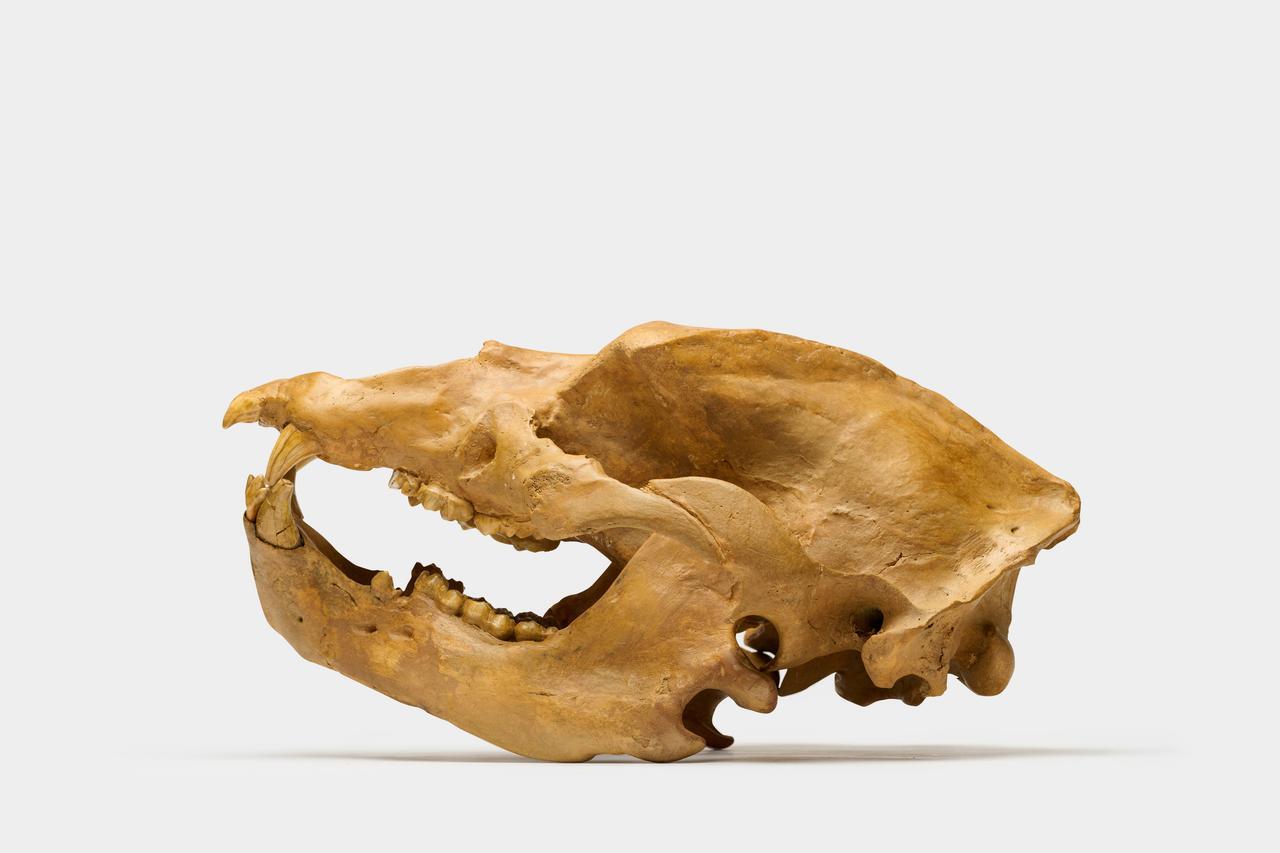
Fossil - Fossil matrix - Keichousaurus sp. (BIG) - 28.5 cm - 18.7 cm (No Reserve Price)


Opens 11:00
Starting bid
€ 1
Add to your favourites to get an alert when the auction starts.

Catawiki Buyer Protection
Your payment’s safe with us until you receive your object.View details
Trustpilot 4.4 | 121798 reviews
Rated Excellent on Trustpilot.
Description from the seller
No reserve price!
Female Keichousaurus fossil has a very protruding breastbone, the animal is about 23.5 cm long (without bending). The general situation is dorsal type, the details are very clear and three-dimensional. Matrix:28.5*18.7*1.7 cm. The matrix has been colored and beautified, but the fossils have not been colored at all. Please note this.
Keichousaurus fossil always use the grinding method to clean, but this method will destroy the original fossil structure. If sandblasting is used, the fossil has been cleaned to perfection and it will be more taught to its original skeletal shape.
Keichousaurus (key-cho-saurus) is a genus of marine reptile in the pachypleurosaur family which went extinct at the close of the Triassic in the Triassic-Jurassic extinction event. The name derives from Kweichow (now Guizhou Province) in China where the first fossil specimen was discovered in 1957. They are among the most common sauropterygian fossils recovered and are often found as nearly complete, articulated skeletons, making them popular among collectors.
No reserve price!
Female Keichousaurus fossil has a very protruding breastbone, the animal is about 23.5 cm long (without bending). The general situation is dorsal type, the details are very clear and three-dimensional. Matrix:28.5*18.7*1.7 cm. The matrix has been colored and beautified, but the fossils have not been colored at all. Please note this.
Keichousaurus fossil always use the grinding method to clean, but this method will destroy the original fossil structure. If sandblasting is used, the fossil has been cleaned to perfection and it will be more taught to its original skeletal shape.
Keichousaurus (key-cho-saurus) is a genus of marine reptile in the pachypleurosaur family which went extinct at the close of the Triassic in the Triassic-Jurassic extinction event. The name derives from Kweichow (now Guizhou Province) in China where the first fossil specimen was discovered in 1957. They are among the most common sauropterygian fossils recovered and are often found as nearly complete, articulated skeletons, making them popular among collectors.
Details
Specimen
Fossil
Scientific name
Keichousaurus sp. (BIG)
Geological Period
Triassic (251.9 - 201.3 million years)
Condition
Natural
Treatment
Conserved
Height
28.5 cm
Width
18.7 cm
Depth
1.7 cm
Sold by