Maternity - Yombe - DR Congo (No reserve price)

02
days
17
hours
58
minutes
04
seconds
Current bid
€ 20
No reserve price

Expert
Selected by Julien Gauthier
With almost a decade of experience bridging science, museum curation, and traditional blacksmithing, Julien has developed a unique expertise in historical arms, armour, and African art.
Estimate € 150 - € 200
6 other people are watching this object
 Bidder 6768 Bidder 6768 | €20 |
|---|
Catawiki Buyer Protection
Your payment’s safe with us until you receive your object.View details
Trustpilot 4.4 | 122190 reviews
Rated Excellent on Trustpilot.
Description from the seller
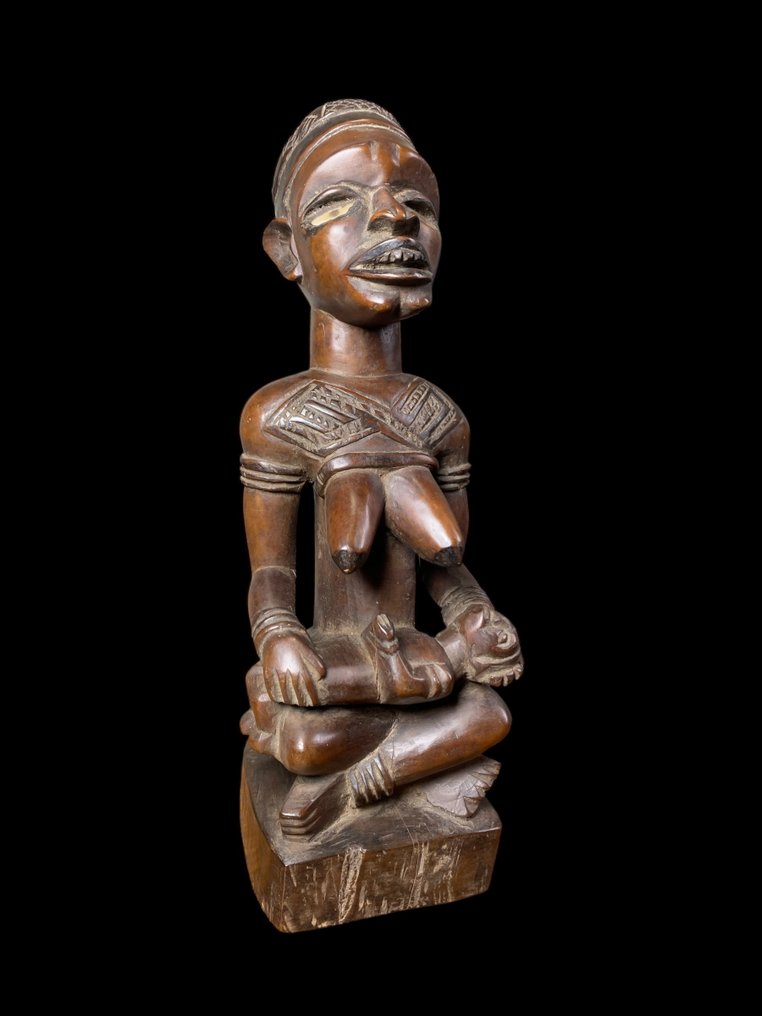
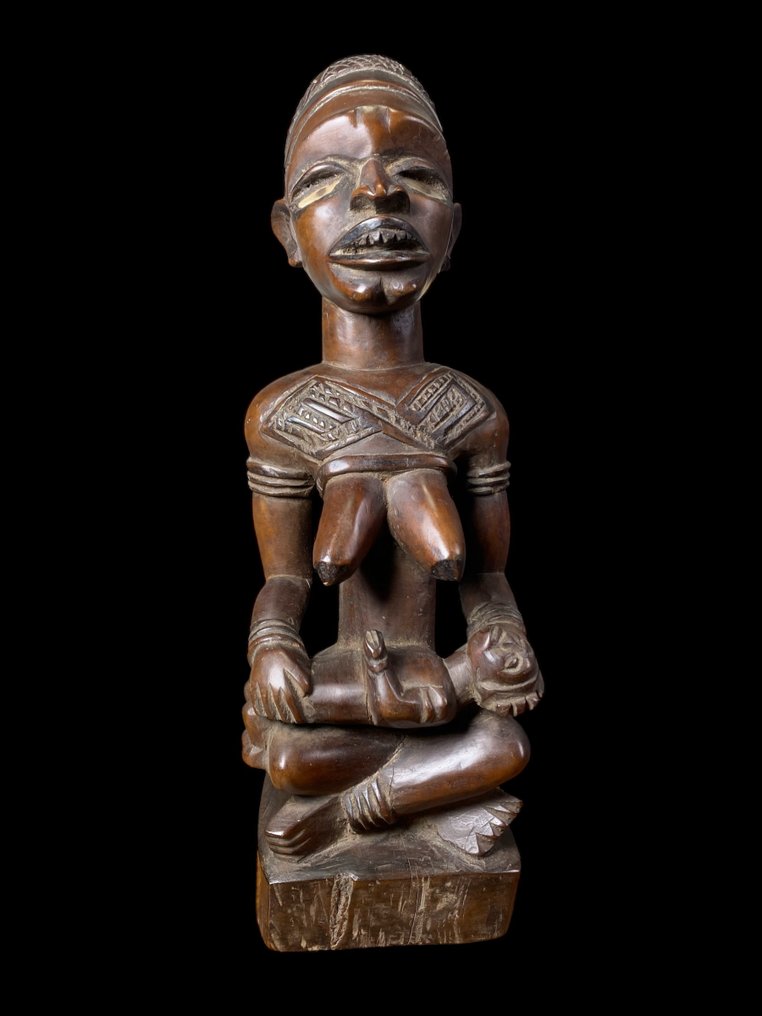
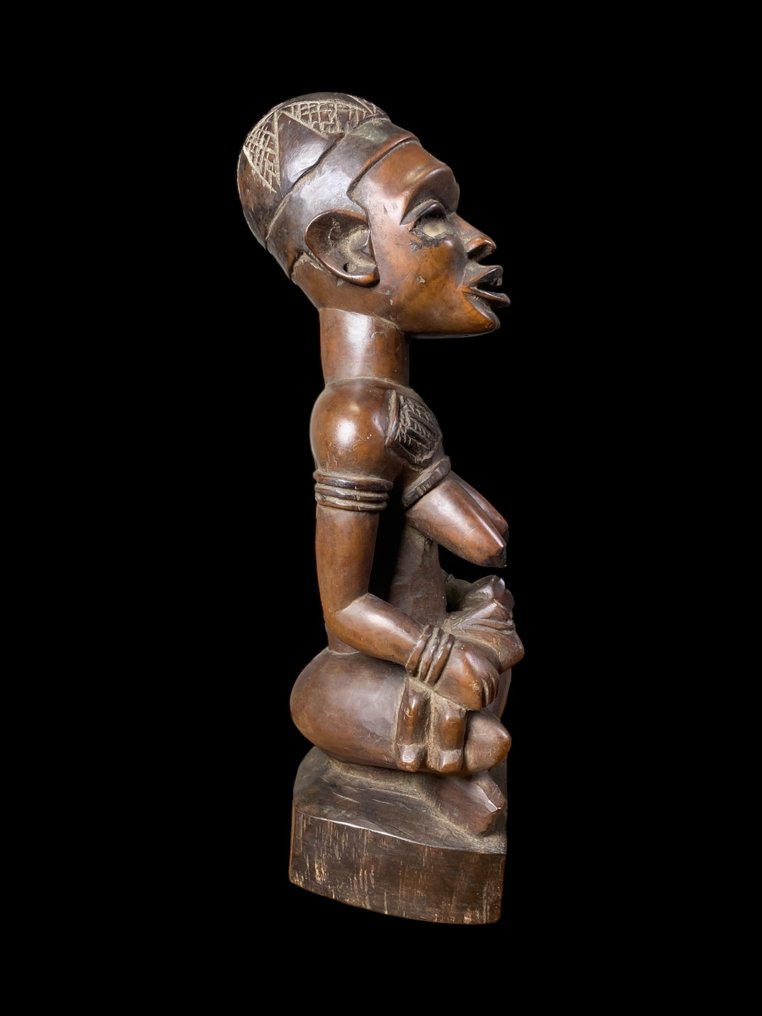
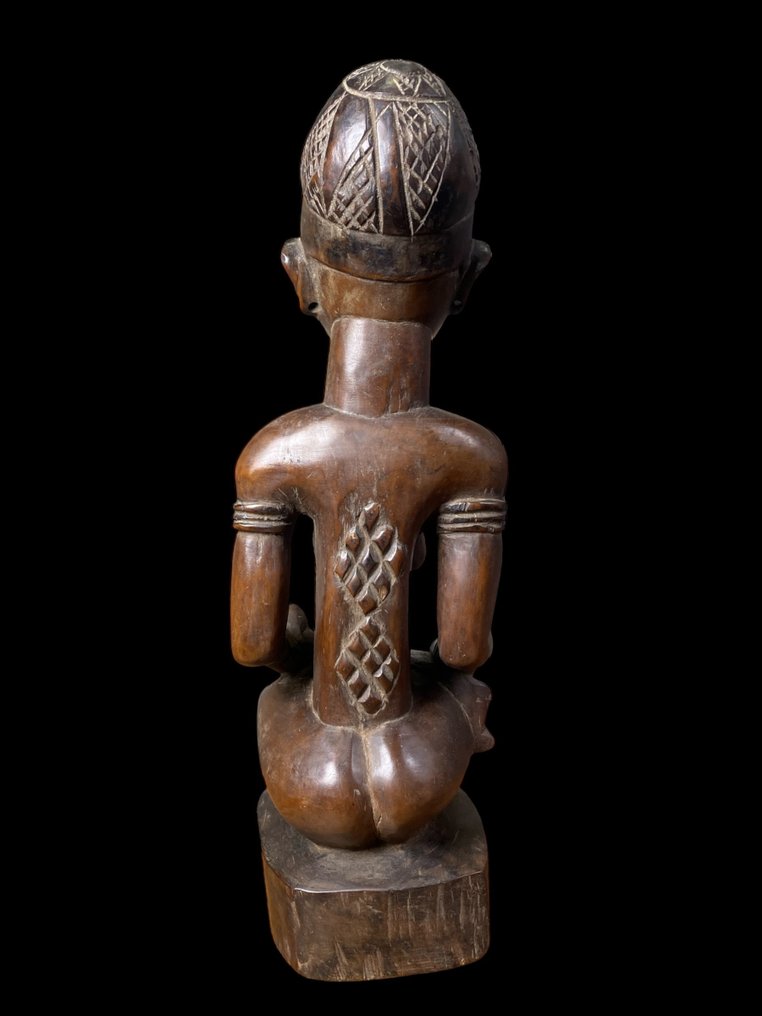
The maternity sculptures of Mayombe and the coastal region of the Congo are among the most emblematic works of African art. Their power lies in their universality, naturalism, and the perfection of their forms. These figurines, called Pfemba or Phemba, embody deep cultural values surrounding fertility and motherhood.
Usage and symbolism:
Feminine fertility cult: These works were used in rituals led by midwives to celebrate fertility.
Representations of motherhood: they often depict women breastfeeding, symbolizing maternal love and the transmission of life.
Meaning of the details: According to certain interpretations, children depicted with straight legs would symbolize the deceased, while those with bent legs would represent the living. The scene could depict a chief's woman presenting her first child, living or stillborn.
Seller's Story
Tribal Collection – African Art Gallery is a space dedicated to discovering and celebrating both traditional and contemporary African art. The gallery features a curated selection of sculptures, masks, ritual objects, and artworks from various African cultures and ethnic groups, reflecting the richness and diversity of artistic expression across the continent.
Each piece is selected for its aesthetic quality, authenticity, and history, offering collectors, enthusiasts, and curious visitors an immersion into the symbolic and spiritual world of African art. Bridging tradition and modernity, Tribal Collection highlights ancient works full of meaning while also fostering a dialogue with the contemporary creations of today’s African artists.
More than just a gallery, Tribal Collection is a cultural bridge where art becomes a medium of transmission, emotion, and universal dialogue.
Translated by Google TranslateThe maternity sculptures of Mayombe and the coastal region of the Congo are among the most emblematic works of African art. Their power lies in their universality, naturalism, and the perfection of their forms. These figurines, called Pfemba or Phemba, embody deep cultural values surrounding fertility and motherhood.
Usage and symbolism:
Feminine fertility cult: These works were used in rituals led by midwives to celebrate fertility.
Representations of motherhood: they often depict women breastfeeding, symbolizing maternal love and the transmission of life.
Meaning of the details: According to certain interpretations, children depicted with straight legs would symbolize the deceased, while those with bent legs would represent the living. The scene could depict a chief's woman presenting her first child, living or stillborn.
Seller's Story
Tribal Collection – African Art Gallery is a space dedicated to discovering and celebrating both traditional and contemporary African art. The gallery features a curated selection of sculptures, masks, ritual objects, and artworks from various African cultures and ethnic groups, reflecting the richness and diversity of artistic expression across the continent.
Each piece is selected for its aesthetic quality, authenticity, and history, offering collectors, enthusiasts, and curious visitors an immersion into the symbolic and spiritual world of African art. Bridging tradition and modernity, Tribal Collection highlights ancient works full of meaning while also fostering a dialogue with the contemporary creations of today’s African artists.
More than just a gallery, Tribal Collection is a cultural bridge where art becomes a medium of transmission, emotion, and universal dialogue.
Translated by Google TranslateDetails
Ethnic group/ culture
Yombe
Country of Origin
DR Congo
Period
Late 20th century
Sold with stand
No
Condition
Excellent condition
Title of artwork
Maternity
Height
42 cm
Width
15 cm
Weight
8 kg
Sold by
