Fish - Fossilised animal - Placoderm - 135 mm - 75 mm



04
days
15
hours
11
minutes
45
seconds

8 other people are watching this object
 Bidder 3593 Bidder 3593 | €1 |
|---|
Catawiki Buyer Protection
Your payment’s safe with us until you receive your object.View details
Trustpilot 4.4 | 122473 reviews
Rated Excellent on Trustpilot.
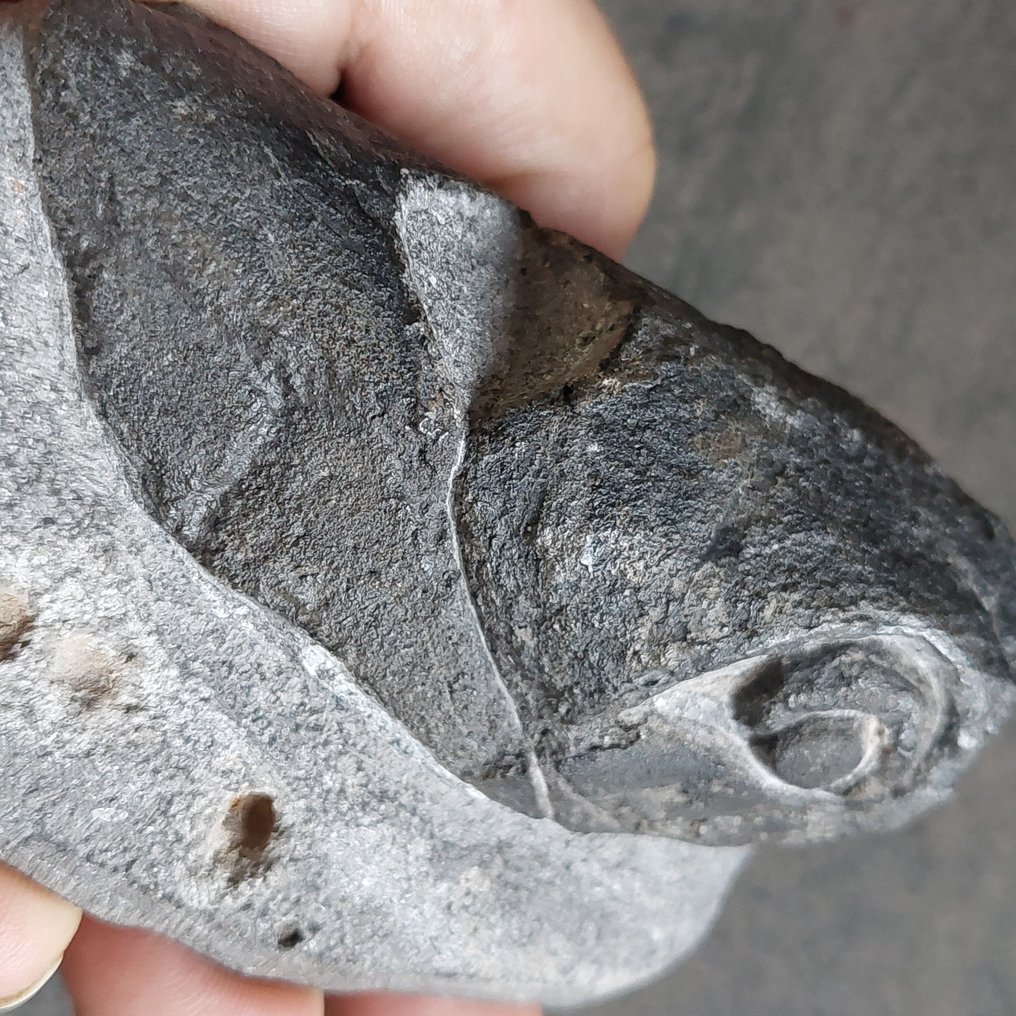
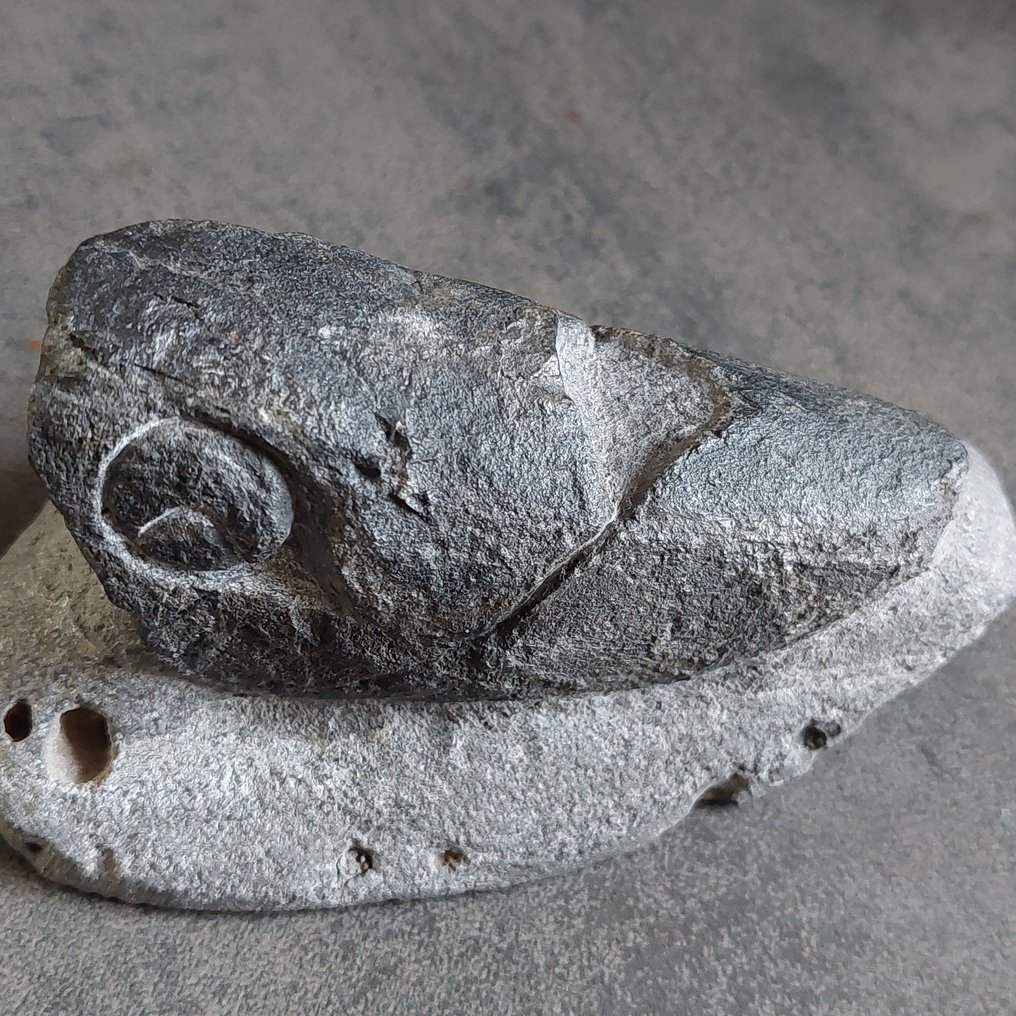
Placoderm fish fossil from the Devonian Oberdevon (382.7–358.9 million years ago) originating in Morocco, a natural specimen with no restoration, measuring 60 mm deep, 135 mm high, 75 mm wide, weighing 500 g, with fossil length about 100 mm.
AI-assisted summary
Description from the seller
Enseosteus is an extinct genus of small selenosteid arthrodir placoderms known from the Upper Franconian Kellwasser limestone facies in Upper Devonian Germany and Morocco.
Location: Morocco
Fossil length: 100 mm
Placoderms, also known as armored fishes or placodermata (meaning "plate-skinned"), are an extinct class of fish-like, jawed vertebrates (gnathostomata). They lived during the Paleozoic Era, beginning in the Lower Silurian, and reached their peak in the subsequent Devonian period, but became extinct at the end of this period. Early placoderms were freshwater inhabitants; only later did they colonize the sea.
A characteristic feature of the Placodermi was that their head and torso were armored with bony plates made of cosmin, a dentin-like supporting tissue. The largest known form was the arthrodire Dunkleosteus, which is thought to have reached a length of up to 4.1 meters.
No restoration; 100% original fossil in perfect condition.
Enseosteus is an extinct genus of small selenosteid arthrodir placoderms known from the Upper Franconian Kellwasser limestone facies in Upper Devonian Germany and Morocco.
Location: Morocco
Fossil length: 100 mm
Placoderms, also known as armored fishes or placodermata (meaning "plate-skinned"), are an extinct class of fish-like, jawed vertebrates (gnathostomata). They lived during the Paleozoic Era, beginning in the Lower Silurian, and reached their peak in the subsequent Devonian period, but became extinct at the end of this period. Early placoderms were freshwater inhabitants; only later did they colonize the sea.
A characteristic feature of the Placodermi was that their head and torso were armored with bony plates made of cosmin, a dentin-like supporting tissue. The largest known form was the arthrodire Dunkleosteus, which is thought to have reached a length of up to 4.1 meters.
No restoration; 100% original fossil in perfect condition.
Details
Specimen
Fish
Scientific name
Placoderm
Country of Origin
Morocco
Geological Period
Devonian, Upper (382.7 - 358.9 million years)
Condition
Natural
Weight
500 g
Height
135 mm
Width
75 mm
Depth
60 mm
Sold by