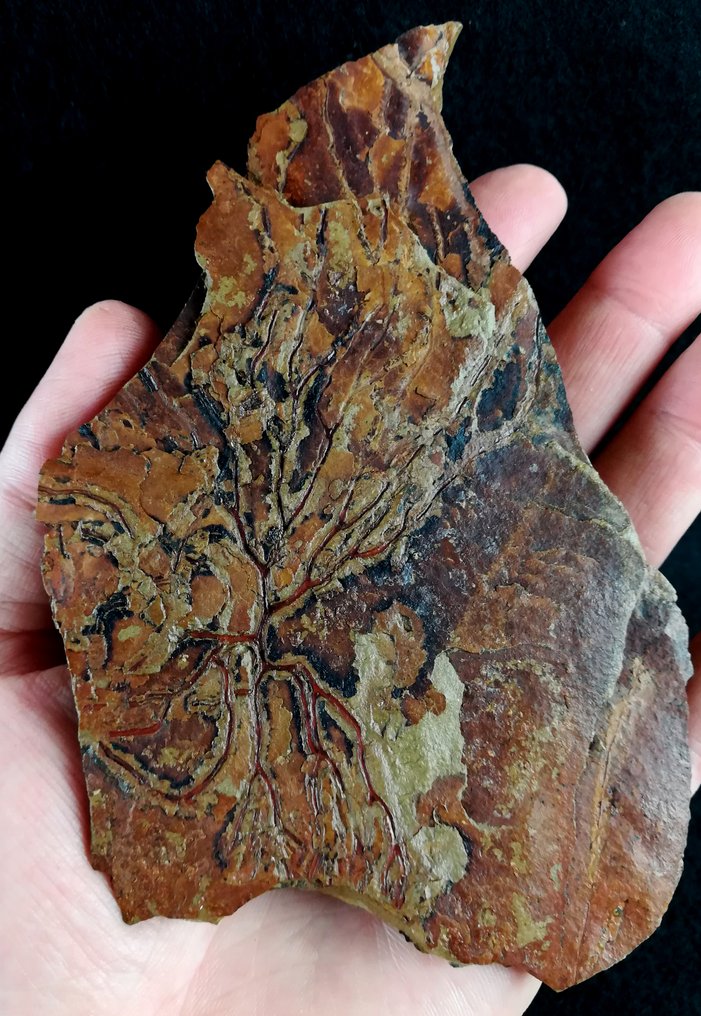
Spectacular graptolites with extraordinary preservation!!! - Fossilised animal - Paradelograptus norvegicus (Monsen, 1937) - 15 cm - 12 cm



04
days
15
hours
54
minutes
55
seconds

No bids placed
Catawiki Buyer Protection
Your payment’s safe with us until you receive your object.View details
Trustpilot 4.4 | 122529 reviews
Rated Excellent on Trustpilot.
Paradelograptus norvegicus (Monsen, 1937) graptolite specimen from the Fezouata Formation, Lower Ordovician Tremadocian, preserved naturally with spectacular preservation.
AI-assisted summary
Description from the seller
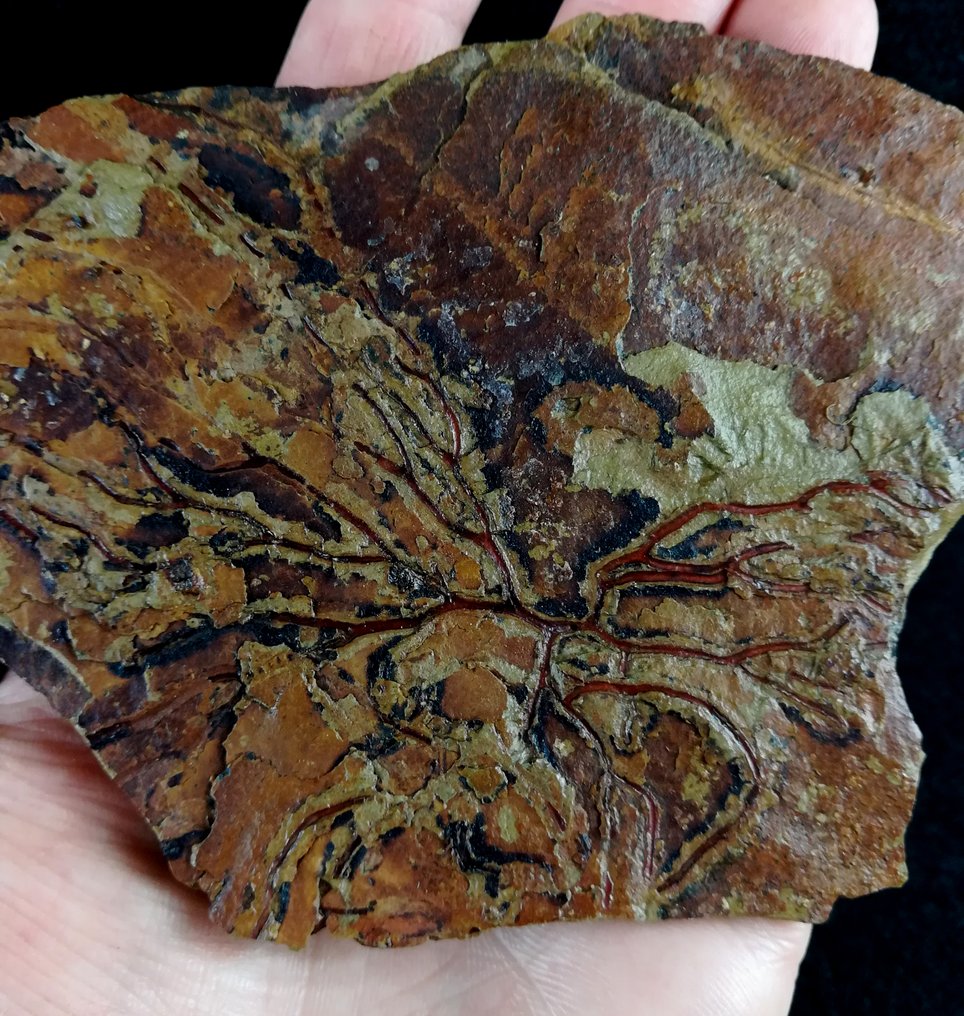
Spectacular plaque featuring an example of the graptolite Paradelograptus norvegicus and other types of graptolites. The plaque displays a perfectly fossilized Paradelograptus. The Paradelograptus is spectacular, very complete, and shows extraordinary preservation. Specimens of this quality are extremely rare. The contrast between the fossils and the matrix is stunning. The exceptional preservation allows for detailed observation of the delicate structures of the various graptolites. Preparing the specimen was very labor-intensive, preserving even the finest details. There is a front and back plaque. A specimen worthy of a museum.
Approximate measurements of Paradelograptus: 7 x 6 cm
Plaque 1: 308 g, 15 x 12 x 1 cm
Plate 2: 200 g; 14.5 x 9 x 1 cm
Plastic supports included.
Graptolites are an extinct class of the Phylum Hemichordata. They are fossils of colonial animals that appeared at the end of the Cambrian and went extinct at the beginning of the Carboniferous. Graptolites are small animals that lived in groups or colonies. Some colonies formed branching shapes. The different types of graptolite colonies had branches with various shapes. They could be straight, curved, or even spiral.
The Fezouata formation sites, near the Moroccan city of Zagora, are providing a rich and diverse record of fossils with extraordinary preservation, often including soft tissues or soft-bodied animals. This type of preservation is similar, although later in time, to that of the famous Burgess Shale site (Canada).
These are fossils dating from between 480 and 472 million years ago. At that time, Morocco was an ocean and was located over the South Pole.
Spectacular plaque featuring an example of the graptolite Paradelograptus norvegicus and other types of graptolites. The plaque displays a perfectly fossilized Paradelograptus. The Paradelograptus is spectacular, very complete, and shows extraordinary preservation. Specimens of this quality are extremely rare. The contrast between the fossils and the matrix is stunning. The exceptional preservation allows for detailed observation of the delicate structures of the various graptolites. Preparing the specimen was very labor-intensive, preserving even the finest details. There is a front and back plaque. A specimen worthy of a museum.
Approximate measurements of Paradelograptus: 7 x 6 cm
Plaque 1: 308 g, 15 x 12 x 1 cm
Plate 2: 200 g; 14.5 x 9 x 1 cm
Plastic supports included.
Graptolites are an extinct class of the Phylum Hemichordata. They are fossils of colonial animals that appeared at the end of the Cambrian and went extinct at the beginning of the Carboniferous. Graptolites are small animals that lived in groups or colonies. Some colonies formed branching shapes. The different types of graptolite colonies had branches with various shapes. They could be straight, curved, or even spiral.
The Fezouata formation sites, near the Moroccan city of Zagora, are providing a rich and diverse record of fossils with extraordinary preservation, often including soft tissues or soft-bodied animals. This type of preservation is similar, although later in time, to that of the famous Burgess Shale site (Canada).
These are fossils dating from between 480 and 472 million years ago. At that time, Morocco was an ocean and was located over the South Pole.
Details
Number of items
1
Specimen
Spectacular graptolites with extraordinary preservation!!!
Scientific name
Paradelograptus norvegicus (Monsen, 1937)
Country of Origin
Bou Chrebeb, Zagora, Morocco
Geological Period
Lower Ordovician, Tremadocian - Fezouata formation
Condition
Natural
Weight
508 g
Height
15 cm
Width
12 cm
Depth
1 cm