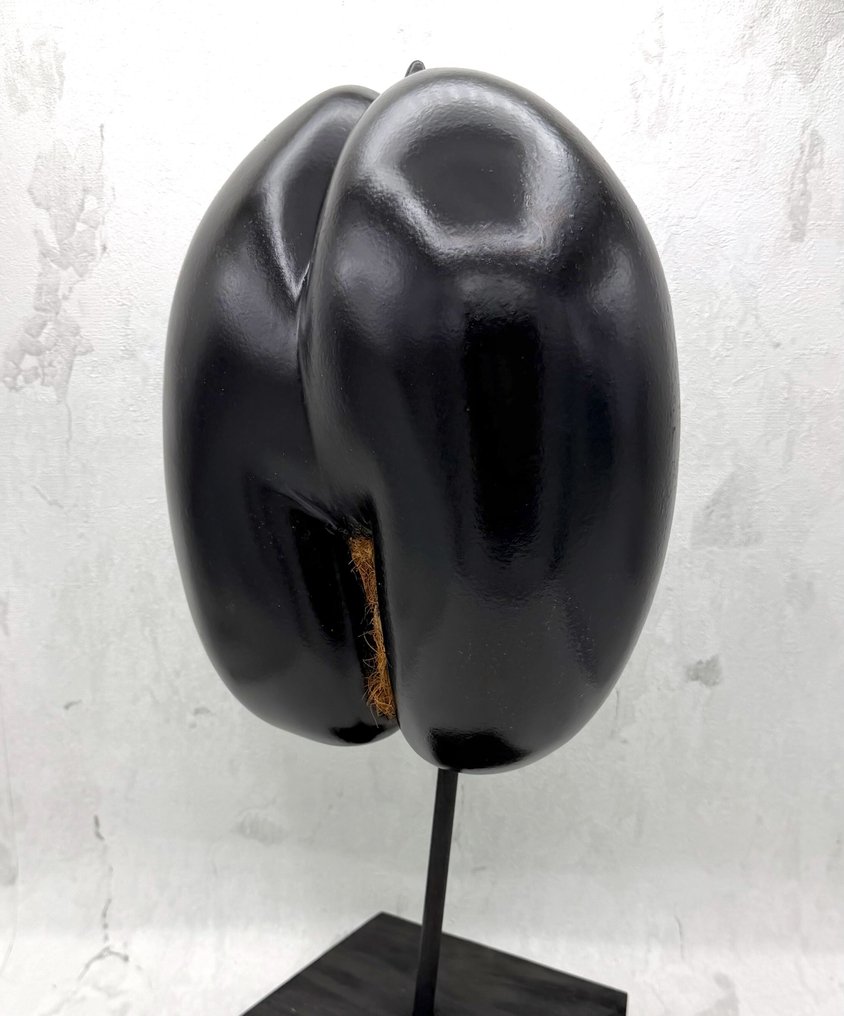
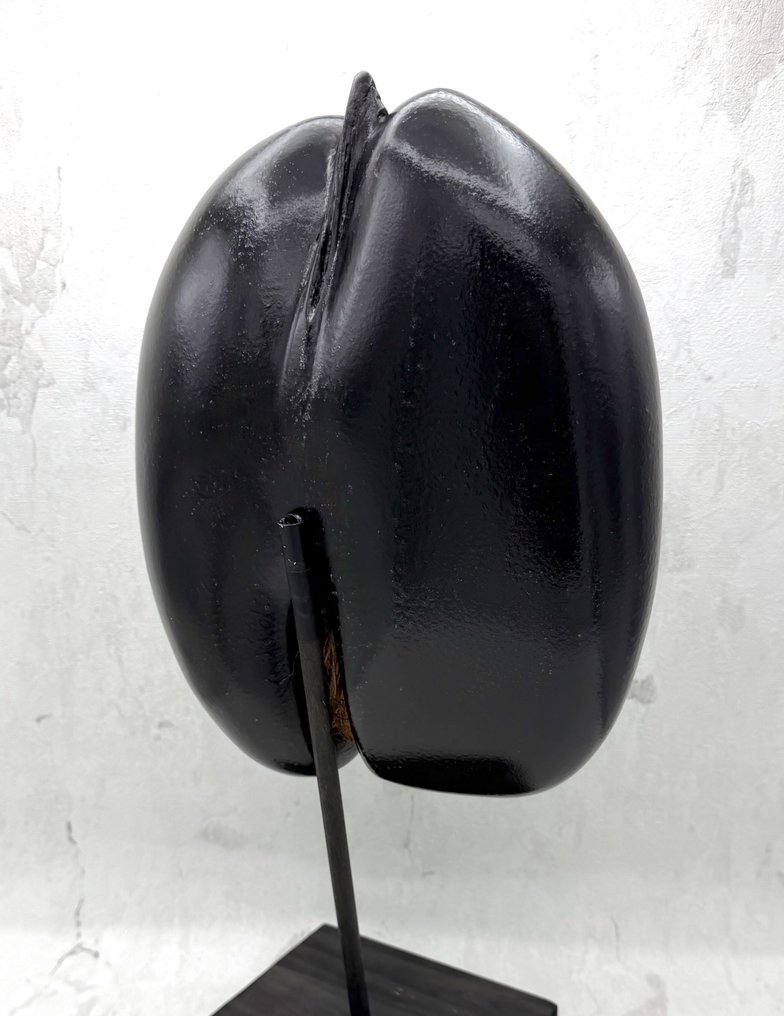
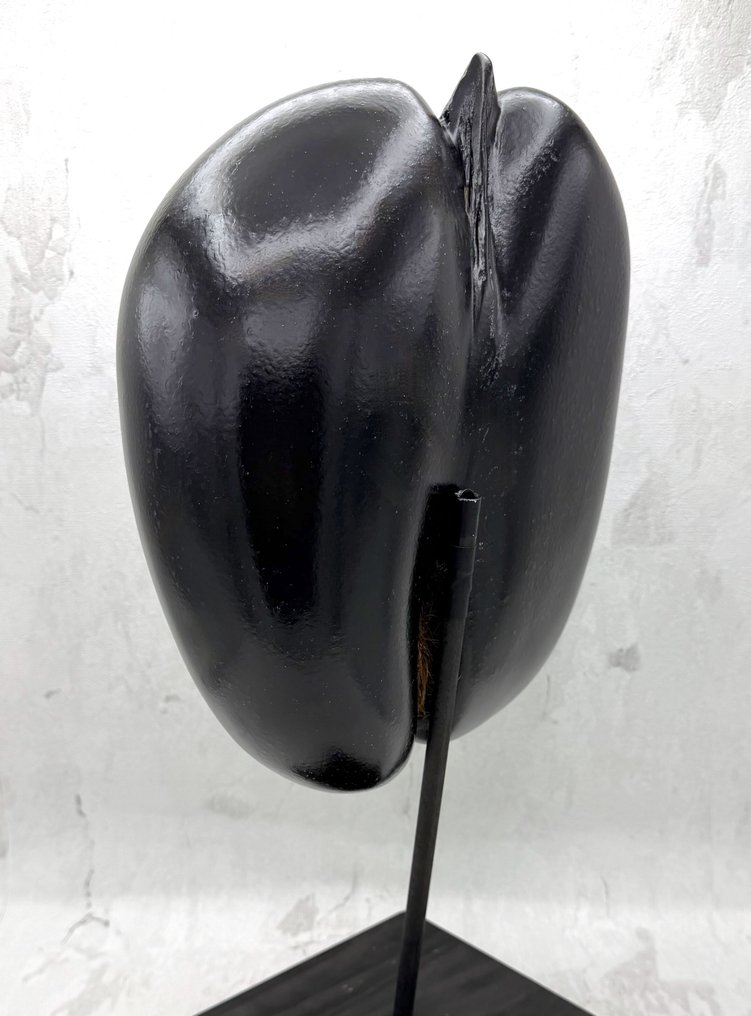
Coco de Mer or Sea Coconut Taxidermy full body mount - Lodoicea maldivica - 460 mm - 240 mm - 130 mm - CITES Appendix III – Annexe C in the EU


03
days
21
hours
31
minutes
31
seconds
Current bid
€ 175
Reserve price not met

Expert
Selected by Jonas Rathaj
Has worked with taxidermy since childhood and gained retailer experience.
Estimate € 1,300 - € 1,500
19 other people are watching this object
 Bidder 1675 Bidder 1675 | €175 |
|---|
Catawiki Buyer Protection
Your payment’s safe with us until you receive your object.View details
Trustpilot 4.4 | 122630 reviews
Rated Excellent on Trustpilot.
This Coco de mer specimen, scientific name Lodoicea maldivica, from the Seychelles, weighs 960 g and measures 46×24×13 cm with the stand, dating to 1977, in good condition and listed under CITES Appendix III – Annexe C in the EU.
AI-assisted summary
Description from the seller
This polished and very old coco de mer has an awesome shape which is particularly rare, especially since it is in good conditions.
The Coco de mer is the largest seed and one of the most wanted natural art object. This coco grows on the island of Praslin and Curieuse in the Seychelles and have a very suggestive shape.
The ripe fruit is heavy (15kg to 25kg), so it cannot float on the water, it sinks instead until the flesh inside the fruit decomposes and then resurfaces thanks to gases inside. This is why we thought for a long time that this was the fruit of an unknown marine tree, hence the name “sea coconut”.
Prince William and his new wife Kate Middleton had a significant milestone at the end of their 10-day honeymoon in Seychelles.
Coco de mer are also called “coco fesse” and there are very rare now.
This specimen is sold with the wooden stand that highlights the coco. The coco de mer can be easily removed from the stand thanks to a small screw inserted into the coconut.
Natural imperfections, such as cracks or irregularities, may be visible, as this is a natural item.
Specimen legally imported into the EU before CITES listing (Annex III, 2010). As this is a pre-Convention specimen from an old collection, no CITES certificate or additional documentation will be provided, as none were issued or required at the time. Buyers are responsible for complying with their local regulations.
Year: 1977
Size with the stand: 46x24x13cm
Size without the stand: 29x24x13cm
Weight without the stand: 960 g
Origin: Seychelles
This polished and very old coco de mer has an awesome shape which is particularly rare, especially since it is in good conditions.
The Coco de mer is the largest seed and one of the most wanted natural art object. This coco grows on the island of Praslin and Curieuse in the Seychelles and have a very suggestive shape.
The ripe fruit is heavy (15kg to 25kg), so it cannot float on the water, it sinks instead until the flesh inside the fruit decomposes and then resurfaces thanks to gases inside. This is why we thought for a long time that this was the fruit of an unknown marine tree, hence the name “sea coconut”.
Prince William and his new wife Kate Middleton had a significant milestone at the end of their 10-day honeymoon in Seychelles.
Coco de mer are also called “coco fesse” and there are very rare now.
This specimen is sold with the wooden stand that highlights the coco. The coco de mer can be easily removed from the stand thanks to a small screw inserted into the coconut.
Natural imperfections, such as cracks or irregularities, may be visible, as this is a natural item.
Specimen legally imported into the EU before CITES listing (Annex III, 2010). As this is a pre-Convention specimen from an old collection, no CITES certificate or additional documentation will be provided, as none were issued or required at the time. Buyers are responsible for complying with their local regulations.
Year: 1977
Size with the stand: 46x24x13cm
Size without the stand: 29x24x13cm
Weight without the stand: 960 g
Origin: Seychelles
Details
Era
1900-2000
Specimen
Coco de Mer or Sea Coconut
Scientific Name
Lodoicea maldivica
Country of Origin
Seychelles
CITES relevancy
CITES Appendix III – Annexe C in the EU
Condition
Good condition
Year
1977
Weight
960 g
Height
460 mm
Width
240 mm
Depth
130 mm
Sold by
Disclaimer
Bidders need to be aware that several countries do not allow importing objects derived from endangered and other protected species, even if a certificate of origin is provided. By bidding, you confirm that you have familiarised yourself with customs laws and regulations of your own country.
Bidders need to be aware that several countries do not allow importing objects derived from endangered and other protected species, even if a certificate of origin is provided. By bidding, you confirm that you have familiarised yourself with customs laws and regulations of your own country.