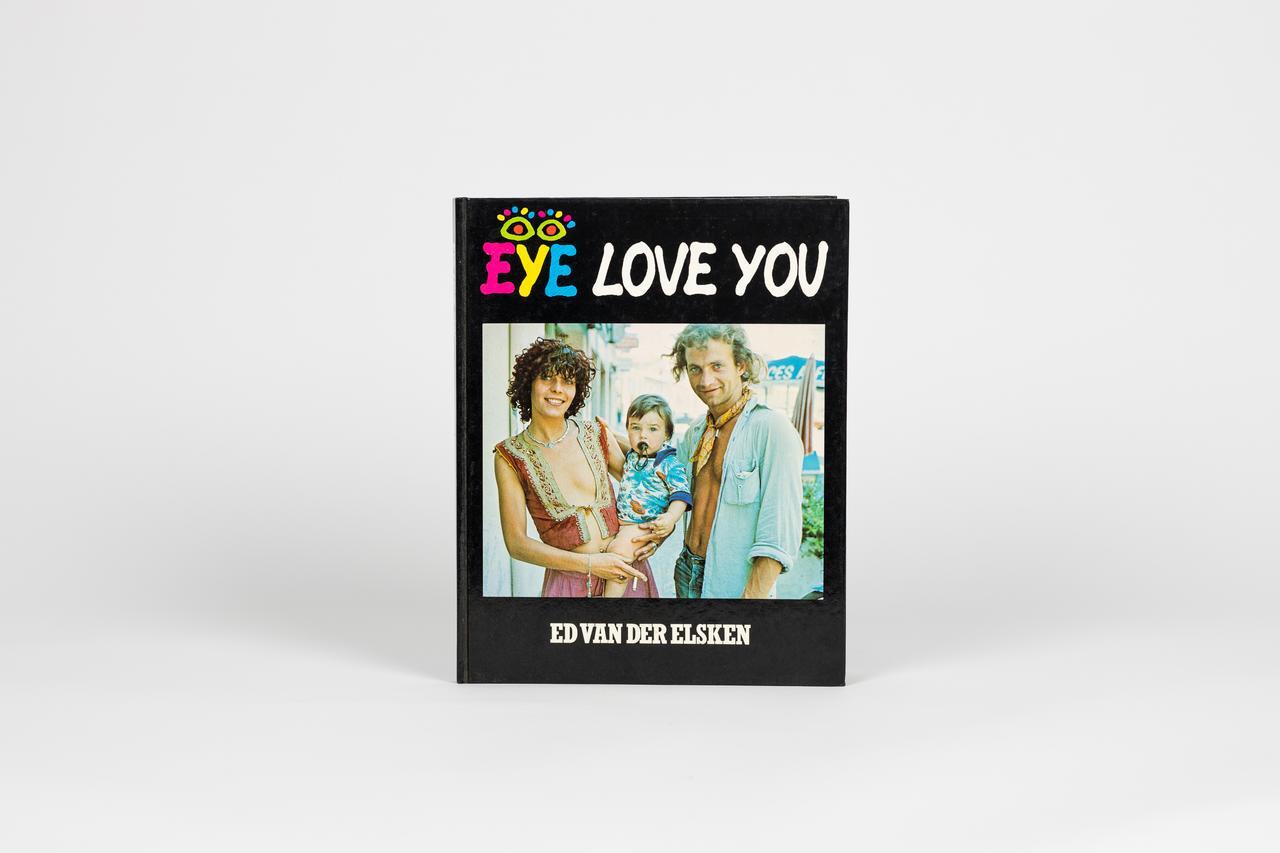
N.º 101692686

Vendido
Takuma Nakahira - 1000 - 2003
Puja final
€ 25
Sin precio de reserva
Hace 8 semanas

Takuma Nakahira - 1000 - 2003

A large number of unpublished black-and-white prints were discovered during preparations for the exhibition "Takuma Nakahira: Return to His Roots - Yokohama," held at the Yokohama Museum of Art in 2003. Many of these photographs, some of which were exhibited at the exhibition, were taken in the Yokohama suburbs where Nakahira lived, and are thought to have been taken between 1978 and the late 1980s. At the time, Nakahira would walk around his neighborhood or ride his bike, take photos, and then print them himself every day at sunrise. From that vast collection of prints, this book selects only those "photos that feature cars" or "photos that also feature cars," and binds them into a huge number of pages. This photo book attempts to understand Takuma Nakahira, perhaps one of the most unique photographers/critics in the world, not through words, but through photographs. ---------------------------------------------------------------------------------------------------- About the Author Takuma Nakahira Born in 1938. After graduating from the Department of Spanish Studies at Tokyo University of Foreign Studies, he worked as an editor for the general magazine Gendai no Me (Modern Eyes), before starting to take photographs in the mid-1960s and writing about photography and film at the same time. In 1968-69, he published the photography fanzine Provoke, billed as "provocative material for thought," along with Koji Taki, Yutaka Takanashi, Takahiko Okada, and Daido Moriyama. After publishing the photo book For the Coming Words in 1970, he critically examined his previous work in the video theory collection Why Botanical Encyclopedia (Why Botanical Encyclopedia?) in 1973. Shortly after publishing Duel Photography Theory, co-authored with Kishin Shinoyama in 1977, he fell ill and lost most of his memory, wandering between life and death. He resumed his work as a photographer the following year, publishing the photo books A New Gaze (1983) and Adieu à X (1989). In 2003, his first retrospective, "Takuma Nakahira: Return to the Basics - Yokohama" (Yokohama Museum of Art), was held, once again drawing great attention. Since then, he has held solo exhibitions of new works and participated in group exhibitions both in Japan and abroad. In 2012, he published "Circulation - Date, Place, Action," and the following year held a solo exhibition of the same series in New York.

N.º 101692686

Vendido
Takuma Nakahira - 1000 - 2003

Takuma Nakahira - 1000 - 2003

A large number of unpublished black-and-white prints were discovered during preparations for the exhibition "Takuma Nakahira: Return to His Roots - Yokohama," held at the Yokohama Museum of Art in 2003.
Many of these photographs, some of which were exhibited at the exhibition, were taken in the Yokohama suburbs where Nakahira lived, and are thought to have been taken between 1978 and the late 1980s.
At the time, Nakahira would walk around his neighborhood or ride his bike, take photos, and then print them himself every day at sunrise.
From that vast collection of prints, this book selects only those "photos that feature cars" or "photos that also feature cars," and binds them into a huge number of pages.
This photo book attempts to understand Takuma Nakahira, perhaps one of the most unique photographers/critics in the world, not through words, but through photographs.

----------------------------------------------------------------------------------------------------

About the Author
Takuma Nakahira

Born in 1938. After graduating from the Department of Spanish Studies at Tokyo University of Foreign Studies, he worked as an editor for the general magazine Gendai no Me (Modern Eyes), before starting to take photographs in the mid-1960s and writing about photography and film at the same time. In 1968-69, he published the photography fanzine Provoke, billed as "provocative material for thought," along with Koji Taki, Yutaka Takanashi, Takahiko Okada, and Daido Moriyama. After publishing the photo book For the Coming Words in 1970, he critically examined his previous work in the video theory collection Why Botanical Encyclopedia (Why Botanical Encyclopedia?) in 1973. Shortly after publishing Duel Photography Theory, co-authored with Kishin Shinoyama in 1977, he fell ill and lost most of his memory, wandering between life and death. He resumed his work as a photographer the following year, publishing the photo books A New Gaze (1983) and Adieu à X (1989). In 2003, his first retrospective, "Takuma Nakahira: Return to the Basics - Yokohama" (Yokohama Museum of Art), was held, once again drawing great attention. Since then, he has held solo exhibitions of new works and participated in group exhibitions both in Japan and abroad. In 2012, he published "Circulation - Date, Place, Action," and the following year held a solo exhibition of the same series in New York.

Puja final
€ 25
Sin precio de reserva

Objetos similares

Para ti en

Libros de arte y fotografía

Configura una alerta de búsqueda
Configura una alerta de búsqueda para recibir notificaciones cuando haya nuevas coincidencias disponibles.

Este objeto apareció en


Cómo comprar en Catawiki

Más información sobre nuestra Protección del Comprador

      1. Descubre algo especial

      Explora miles de objetos especiales seleccionados por expertos. Mira las fotos, los detalles y el valor estimado de cada objeto especial. 

      2. Haz la puja más alta

      Encuentra algo especial y haz la puja más alta. Puedes seguir la subasta hasta el final o dejar que nuestro sistema puje por ti. Todo lo que tienes que hacer es fijar una puja máxima con la cantidad máxima que quieres pagar. 

      3. Paga de manera segura

      Paga tu objeto especial y nosotros retendremos el pago hasta que el objeto te llegue en perfecto estado. Utilizamos un sistema de pago de confianza para gestionar las transacciones. 

¿Tienes algo similar para vender?

Tanto si las subastas online son algo nuevo para ti como si vendes profesionalmente, podemos ayudarte a ganar más por tus objetos especiales.

Vender objeto