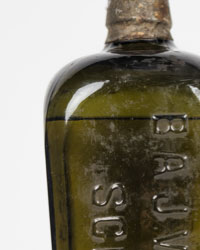
Chartreuse - Liqueur du 9e Centenaire - b. 2025 - 70 cl


Protección del Comprador de Catawiki
Tu pago está protegido con nosotros hasta que recibas tu objeto.Ver detalles
Trustpilot 4.4 | 129956 valoraciones
Valoración Excelente en Trustpilot.
Chartreuse Liqueur du 9e Centenaire, 2 botellas en el lote, 70 cl por botella, embotellado en 2025 al 47% vol, Francia, empaque original.
Descripción del vendedor
Chartreuse 9eme centenaire
Invoice available.
Secure and fast shipping.
THE CHARTREUSE DISTILLERY
The origins of Chartreuse remain mysterious. In 1605, Marshal d’Estrées handed the monks of the Chartreuse de Vauvert, in Paris, a manuscript containing the formula for an herbal elixir. In 1764, this formula, composed of 130 plants, was refined and finalized by Brother Jérôme Maubec, who created the Elixir Végétal de la Grande-Chartreuse, named after the monastery where Chartreuse would be produced until 1864. After a turbulent late 18th century, marked by the French Revolution’s hostility toward religious orders, the Green and Yellow Chartreuse were created in 1840 and quickly gained popularity. In 1903, the Carthusian monks were expelled from France and took refuge in Tarragona, Spain, where they continued producing Chartreuse, despite the brand being sold to a group of liquor manufacturers. They regained ownership in 1929 and resumed production in France, although the Tarragona distillery remained active until 1989.
Today, Chartreuse Diffusion oversees production at the Aiguenoire distillery—following previous locations in Fourvoirie and Voiron—and manages the distribution of various Chartreuse products: Green, Yellow, Elixir Végétal, and V.E.P., among the most well-known. Older versions and limited editions are highly sought after by enthusiasts and collectors of what is often called “the Queen of liqueurs.”
Chartreuse 9eme centenaire
Invoice available.
Secure and fast shipping.
THE CHARTREUSE DISTILLERY
The origins of Chartreuse remain mysterious. In 1605, Marshal d’Estrées handed the monks of the Chartreuse de Vauvert, in Paris, a manuscript containing the formula for an herbal elixir. In 1764, this formula, composed of 130 plants, was refined and finalized by Brother Jérôme Maubec, who created the Elixir Végétal de la Grande-Chartreuse, named after the monastery where Chartreuse would be produced until 1864. After a turbulent late 18th century, marked by the French Revolution’s hostility toward religious orders, the Green and Yellow Chartreuse were created in 1840 and quickly gained popularity. In 1903, the Carthusian monks were expelled from France and took refuge in Tarragona, Spain, where they continued producing Chartreuse, despite the brand being sold to a group of liquor manufacturers. They regained ownership in 1929 and resumed production in France, although the Tarragona distillery remained active until 1989.
Today, Chartreuse Diffusion oversees production at the Aiguenoire distillery—following previous locations in Fourvoirie and Voiron—and manages the distribution of various Chartreuse products: Green, Yellow, Elixir Végétal, and V.E.P., among the most well-known. Older versions and limited editions are highly sought after by enthusiasts and collectors of what is often called “the Queen of liqueurs.”