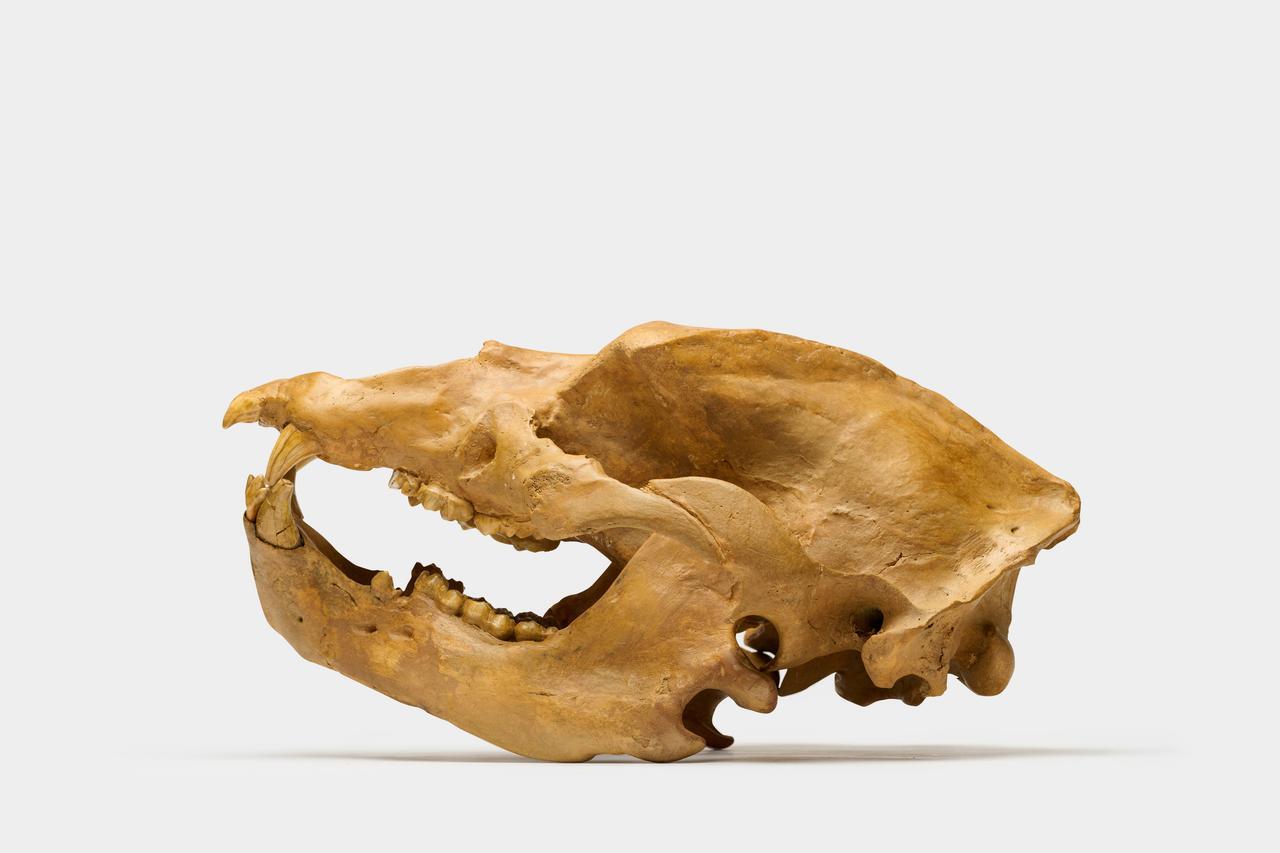
Megalodón - Diente fósil - 7.5 cm (Sin precio de reserva)

Empezar a pujar
€ 1

Añádelo a tus favoritos para recibir una alerta cuando empiece la subasta.

Protección del Comprador de Catawiki

Tu pago está protegido con nosotros hasta que recibas tu objeto.Ver detalles

Trustpilot 4.4 | 135960 valoraciones

Valoración Excelente en Trustpilot.

Descripción del vendedor

Otodus megalodon – Diente fósil
Neógeno, Mioceno (23.03 – 5.33 millones de años) – Indonesia

Extraordinary fossil tooth specimen belonging to Otodus megalodon, the largest shark ever known to have lived on Earth, extinct approximately 3.6 million years ago.

Characteristics:

Shape: Triangular, robust, and symmetrical, typical of anterior/lateral jaw teeth
Preservation: Excellent — enamel is well preserved with characteristic vertical striations clearly visible along the crown. restoration in the tip

Root: Professionally restored, with original sedimentary matrix still attached
Serration: Extremely fine and well preserved along the cutting edges (carinae)

Condition: Outstanding for a fossil of this antiquity

Collector’s interest: A visually impressive specimen, ideal for fossil collectors, paleontology enthusiasts, or as a prestigious decorative display piece.


Otodus megalodon (whose species name megalodon derives from Greek meaning “big tooth”), commonly known as the megalodon, was an extinct species of giant shark that lived from the Early Miocene to the Early Pliocene, approximately 23–3.6 million years ago (Aquitanian–Zanclean). Its large fossil teeth demonstrate that it had a cosmopolitan worldwide distribution.

In the past, O. megalodon was believed to belong to the family Lamnidae and to be closely related to the great white shark, Carcharodon carcharias. However, later studies reclassified it within the extinct family Otodontidae, which diverged from the great white shark lineage during the Early Cretaceous period.

Estimates of megalodon size vary depending on the reconstruction method used, with maximum total length projections ranging from approximately 14.2 to 20.3 meters.

Otodus megalodon – Diente fósil
Neógeno, Mioceno (23.03 – 5.33 millones de años) – Indonesia

Extraordinary fossil tooth specimen belonging to Otodus megalodon, the largest shark ever known to have lived on Earth, extinct approximately 3.6 million years ago.

Characteristics:

Shape: Triangular, robust, and symmetrical, typical of anterior/lateral jaw teeth
Preservation: Excellent — enamel is well preserved with characteristic vertical striations clearly visible along the crown. restoration in the tip

Root: Professionally restored, with original sedimentary matrix still attached
Serration: Extremely fine and well preserved along the cutting edges (carinae)

Condition: Outstanding for a fossil of this antiquity

Collector’s interest: A visually impressive specimen, ideal for fossil collectors, paleontology enthusiasts, or as a prestigious decorative display piece.


Otodus megalodon (whose species name megalodon derives from Greek meaning “big tooth”), commonly known as the megalodon, was an extinct species of giant shark that lived from the Early Miocene to the Early Pliocene, approximately 23–3.6 million years ago (Aquitanian–Zanclean). Its large fossil teeth demonstrate that it had a cosmopolitan worldwide distribution.

In the past, O. megalodon was believed to belong to the family Lamnidae and to be closely related to the great white shark, Carcharodon carcharias. However, later studies reclassified it within the extinct family Otodontidae, which diverged from the great white shark lineage during the Early Cretaceous period.

Estimates of megalodon size vary depending on the reconstruction method used, with maximum total length projections ranging from approximately 14.2 to 20.3 meters.

Datos

Ejemplar
Megalodón
País de origen
Indonesia
Periodo geológico
Neógeno, Mioceno (23,03 - 5,33 millones de años)
Estado
Restaurado
Tratamiento
stabilized
Alto
7,5 cm
Autenticidad
Original/oficial
ItaliaVerificado
2714
Objetos vendidos
98,36%
protop

Objetos similares

Para ti en

Fósiles