N.º 99710841

Vendido
Imperio romano. Adriano (117-138 d.C.). Sestertius Rome - Roma seated left
Puja final
€ 150
Hace 4 semanas

Imperio romano. Adriano (117-138 d.C.). Sestertius Rome - Roma seated left

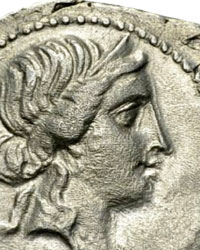
RULER: Hadrian DATE: 119 - 121 A.D DENOMINATION: Sestertius MATERIAL: Bronze, AE SIZE & WEIGHT: 31 mm, 23,7 gr OBVERSE: IMP CAESAR TRAIANVS HADRIANVS AVG, laureate bust right, draped far shoulder REVERSE: PONT MAX T R POT COS III, SC below, Roma seated left on cuirass, holding Victory & sceptre. REFERENCES: RIC 562b, Cohen 1187cf, BMC 1147 Comes with Certificate of Authenticity and Export Licence. If you are from outside the European Union, we will have to apply for the export licence again for your country, this takes 3 to 5 weeks and has a cost of 5% of the hammer price, this amount will be added to the final invoice. Publius Aelius Hadrianus (AD 76–138) was one of Rome's most significant emperors, reigning from 117 to 138 CE. Though likely born in Rome, his family was of settler stock from Italica, Spain, and he was the ward of his cousin, the future Emperor Trajan. Hadrian’s early career involved extensive military service and a thorough education that led to a lifelong passion for Greek culture, earning him the nickname "Greekling." Following Trajan’s death, Hadrian was proclaimed emperor by the army, a succession that was initially met with some senatorial suspicion. He immediately broke with the expansionist policies of his predecessor, choosing instead to focus on consolidating and securing the vast empire within its existing, defensible borders. The most defining characteristic of Hadrian’s reign was his unprecedented period of travel, spending more than half of his two decades as emperor inspecting provinces, armies, and fortifications across the entire empire, from Britain to North Africa and the East. This firsthand knowledge informed his administrative and military reforms, particularly his emphasis on fixed, fortified frontiers. His most enduring and famous construction project is the magnificent Hadrian's Wall in northern Britain, built starting in 122 CE to separate the Roman province from the "barbarians" to the north and to channel movement for control and taxation. His architectural patronage was equally grand in Rome, where he famously rebuilt the Pantheon and constructed his immense villa at Tivoli. Hadrian was a cultured and complex ruler who sought to unify the empire not just militarily, but culturally and legally. He reformed Roman law, created a professional imperial civil service from the equestrian class, and was an avid promoter of the arts and philosophy. His travels reflected a desire for cultural integration, with Athens holding a special place in his affections. After a period of poor health, which included a painful succession crisis following the death of his first chosen heir, he died in 138 CE. His final, successful adoption of Antoninus Pius ensured a peaceful transition of power, securing his legacy as one of the Five Good Emperors who presided over a period of stability and relative prosperity for the Roman Empire.

N.º 99710841

Vendido
Imperio romano. Adriano (117-138 d.C.). Sestertius Rome - Roma seated left

Imperio romano. Adriano (117-138 d.C.). Sestertius Rome - Roma seated left

RULER: Hadrian
DATE: 119 - 121 A.D
DENOMINATION: Sestertius
MATERIAL: Bronze, AE
SIZE & WEIGHT: 31 mm, 23,7 gr
OBVERSE: IMP CAESAR TRAIANVS HADRIANVS AVG, laureate bust right, draped far shoulder
REVERSE: PONT MAX T R POT COS III, SC below, Roma seated left on cuirass, holding Victory & sceptre.
REFERENCES: RIC 562b, Cohen 1187cf, BMC 1147

Comes with Certificate of Authenticity and Export Licence. If you are from outside the European Union, we will have to apply for the export licence again for your country, this takes 3 to 5 weeks and has a cost of 5% of the hammer price, this amount will be added to the final invoice.

Publius Aelius Hadrianus (AD 76–138) was one of Rome's most significant emperors, reigning from 117 to 138 CE. Though likely born in Rome, his family was of settler stock from Italica, Spain, and he was the ward of his cousin, the future Emperor Trajan. Hadrian’s early career involved extensive military service and a thorough education that led to a lifelong passion for Greek culture, earning him the nickname "Greekling." Following Trajan’s death, Hadrian was proclaimed emperor by the army, a succession that was initially met with some senatorial suspicion. He immediately broke with the expansionist policies of his predecessor, choosing instead to focus on consolidating and securing the vast empire within its existing, defensible borders.

The most defining characteristic of Hadrian’s reign was his unprecedented period of travel, spending more than half of his two decades as emperor inspecting provinces, armies, and fortifications across the entire empire, from Britain to North Africa and the East. This firsthand knowledge informed his administrative and military reforms, particularly his emphasis on fixed, fortified frontiers. His most enduring and famous construction project is the magnificent Hadrian's Wall in northern Britain, built starting in 122 CE to separate the Roman province from the "barbarians" to the north and to channel movement for control and taxation. His architectural patronage was equally grand in Rome, where he famously rebuilt the Pantheon and constructed his immense villa at Tivoli.

Hadrian was a cultured and complex ruler who sought to unify the empire not just militarily, but culturally and legally. He reformed Roman law, created a professional imperial civil service from the equestrian class, and was an avid promoter of the arts and philosophy. His travels reflected a desire for cultural integration, with Athens holding a special place in his affections. After a period of poor health, which included a painful succession crisis following the death of his first chosen heir, he died in 138 CE. His final, successful adoption of Antoninus Pius ensured a peaceful transition of power, securing his legacy as one of the Five Good Emperors who presided over a period of stability and relative prosperity for the Roman Empire.

Puja final
€ 150
Alessandro Fiamingo
Experto
Estimación  € 170 - € 200

Objetos similares

Para ti en

Monedas antiguas

Configura una alerta de búsqueda
Configura una alerta de búsqueda para recibir notificaciones cuando haya nuevas coincidencias disponibles.

Este objeto apareció en


Cómo comprar en Catawiki

Más información sobre nuestra Protección del Comprador

      1. Descubre algo especial

      Explora miles de objetos especiales seleccionados por expertos. Mira las fotos, los detalles y el valor estimado de cada objeto especial. 

      2. Haz la puja más alta

      Encuentra algo especial y haz la puja más alta. Puedes seguir la subasta hasta el final o dejar que nuestro sistema puje por ti. Todo lo que tienes que hacer es fijar una puja máxima con la cantidad máxima que quieres pagar. 

      3. Paga de manera segura

      Paga tu objeto especial y nosotros retendremos el pago hasta que el objeto te llegue en perfecto estado. Utilizamos un sistema de pago de confianza para gestionar las transacciones. 

¿Tienes algo similar para vender?

Tanto si las subastas online son algo nuevo para ti como si vendes profesionalmente, podemos ayudarte a ganar más por tus objetos especiales.

Vender objeto