100787537

Vendu
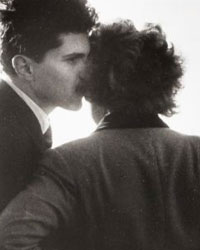
Herbert List - Quartiere di Trastevere, Roma, 1953
Offre finale
€ 3
Il y a 2 semaines

Herbert List - Quartiere di Trastevere, Roma, 1953

Autore: Herbert List Titolo: Quartiere di Trastevere, Roma, 1953 Dimensioni: 34.5 x 29.5 cm Condizioni: Buone (lieve ingiallimento margini) Photo: Herbert List Copyright: Herbert List / Magnum Photos Fotolitografia monocromatica su carta fotografica pesante, stampata in alta qualità di stampa nel 2001. La presenza di un bordo bianco è stato pensato per favorirne l'incorniciatura con utilizzo di passepartout. Born in 1903 into a prosperous mercantile family in Hamburg, Germany, Herbert List’s work combined a love of photography with a fascination for surrealism and classicism. He began an apprenticeship at a Heidelberg coffee dealer in 1921 while studying literature and art history at Heidelberg University. While traveling for the coffee business between 1924–28, the young List began to take photographs, almost without any pretensions to art. List developed his style and technical abilities by capturing still lifes and portraits. In 1930, he was introduced to the Rolleiflex camera, which allowed him to make deliberate compositions. Though List was completely self-taught, his friendship with Andreas Feininger brought him to the next level. After purchasing the very expensive Rolleiflex, List had Feininger visit from the Bauhaus School to teach him how to use it. Leaving Germany in 1936 as the Nazis rose to power, List briefly pursued photography as a profession in London and Paris, where he was referred to Harper’s Bazaar. Dissatisfied with the challenges of fashion photography, List instead focused on studio compositions, many reminiscent of paintings by Max Ernst and Giorgio de Chirico. List always referred to himself as an amateur photographer. He pursued the art not to take on editorial assignments but out of a passion for the medium. From 1937 to 1939, List’s primary interest was Greece and its ancient temples, sculptures, and landscapes. This fascination led to his first solo show in Paris. Publications in Life, Photographie, Verve and Harper’s Bazaar followed. His first book, Licht Ueber Hellas, was published in 1953. Despite his attempts to evade the war in Athens, List was forced to return to Germany in 1941. Because of his Jewish background, he was forbidden to publish or officially work in Germany, and several of his works stored in Paris have been lost. Before the war ended in 1945, he made portraits of notable figures in Paris and Vienna. Post-war, he photographed the ruins of Munich and became art editor of Heute, an American magazine for the German public. In 1951, List met Robert Capa, who convinced him to work as a contributor to Magnum. From 1950 to 1961, hi focused on Italy. Early on in this period, he discovered the 35mm camera and telephoto lens. Influenced by his Magnum colleague Henri Cartier-Bresson and the Italian Neorealism film movement, his work became more spontaneous. In the following years, he completed several books, including Rom, Caribia, Nigeria and Napoli. (magnumphotos.com) Parole chiave: Werner Bischof, Ernst Haas, Dennis Stock, Herbert List, Cornell Capa, Elliott Erwitt, Burt Glinn, Erich Hartmann, Erich Lessing, Inge Morath, Marc Riboud, Eve Arnold, William Eugene Smith, Wayne Miller, René Burri, Bruce Davidson, Ernst Haas, Hiroshi Hamaya, Sergio Larrain, Constantine Manos, Ian Berry, David Hurn, Marilyn Silverstone, Bruno Barbey, Philip Jones Griffiths, Leonard Freed, Paul Fusco, Josef Koudelka, Gilles Peress, Sebastião Salgado, Richard Kalvar, Guy Le Querrec, Raymond Depardon, Alex Webb, Susan Meiselas, Eugene Richards, Martine Franck, Chris Steele-Perkins, Abbas, Jean Gaumy, Harry Gruyaert, Peter Marlow, James Nachtwey, Steve McCurry, Eli Reed, Thomas Hoepker, Hiroji Kubota, Ferdinando Scianna, Stuart Franklin, Patrick Zachmann, Larry Towell, Carl De Keyzer, Nikos Economopoulos, Martin Parr, Gueorgui Pinkhassov, David Alan Harvey, John Vink, Donovan Wylie, Chien-Chi Chang, Alex Majoli, Lise Sarfati, Bruce Gilden, Thomas Dworzak, Paolo Pellegrin, Jonas Bendiksen, Jim Goldberg, Mark Power, Trent Parke, Alessandra Sanguinetti, Antoine d’Agata, Alec Soth, Cristina García Rodero, Christopher Anderson, Bieke Depoorter, Moises Saman, Mikheal Subbotzki, Jacob Aue Sobol, Jerome Sessini, Olivia Arthur, Peter van Aghtmael, Matt Black, Carolyn Drake, Richard Mosse, Newsha Tavakolian, Max Pinckers, Cristina de Middel, Emin Ozmen, Enri Canaj, Sim Chi Yin, Gregory Halpern, Rafal Milach, Lua Ribeira, Lindokuhle Sobekwa, Sohrab Hura, Lorenzo Meloni, Nanna Heitmann, Zied Ben Romdhane, Sabiha Cimen, Hanna Price, Khalik Allah, Colby Deal, Yael Martinez.

100787537

Vendu
Herbert List - Quartiere di Trastevere, Roma, 1953

Herbert List - Quartiere di Trastevere, Roma, 1953

Autore: Herbert List
Titolo: Quartiere di Trastevere, Roma, 1953
Dimensioni: 34.5 x 29.5 cm
Condizioni: Buone (lieve ingiallimento margini)

Photo: Herbert List
Copyright: Herbert List / Magnum Photos

Fotolitografia monocromatica su carta fotografica pesante, stampata in alta qualità di stampa nel 2001. La presenza di un bordo bianco è stato pensato per favorirne l'incorniciatura con utilizzo di passepartout.

Born in 1903 into a prosperous mercantile family in Hamburg, Germany, Herbert List’s work combined a love of photography with a fascination for surrealism and classicism. He began an apprenticeship at a Heidelberg coffee dealer in 1921 while studying literature and art history at Heidelberg University. While traveling for the coffee business between 1924–28, the young List began to take photographs, almost without any pretensions to art. List developed his style and technical abilities by capturing still lifes and portraits. In 1930, he was introduced to the Rolleiflex camera, which allowed him to make deliberate compositions. Though List was completely self-taught, his friendship with Andreas Feininger brought him to the next level. After purchasing the very expensive Rolleiflex, List had Feininger visit from the Bauhaus School to teach him how to use it.
Leaving Germany in 1936 as the Nazis rose to power, List briefly pursued photography as a profession in London and Paris, where he was referred to Harper’s Bazaar. Dissatisfied with the challenges of fashion photography, List instead focused on studio compositions, many reminiscent of paintings by Max Ernst and Giorgio de Chirico. List always referred to himself as an amateur photographer. He pursued the art not to take on editorial assignments but out of a passion for the medium.
From 1937 to 1939, List’s primary interest was Greece and its ancient temples, sculptures, and landscapes. This fascination led to his first solo show in Paris. Publications in Life, Photographie, Verve and Harper’s Bazaar followed. His first book, Licht Ueber Hellas, was published in 1953. Despite his attempts to evade the war in Athens, List was forced to return to Germany in 1941. Because of his Jewish background, he was forbidden to publish or officially work in Germany, and several of his works stored in Paris have been lost. Before the war ended in 1945, he made portraits of notable figures in Paris and Vienna. Post-war, he photographed the ruins of Munich and became art editor of Heute, an American magazine for the German public.
In 1951, List met Robert Capa, who convinced him to work as a contributor to Magnum. From 1950 to 1961, hi focused on Italy. Early on in this period, he discovered the 35mm camera and telephoto lens. Influenced by his Magnum colleague Henri Cartier-Bresson and the Italian Neorealism film movement, his work became more spontaneous. In the following years, he completed several books, including Rom, Caribia, Nigeria and Napoli.
(magnumphotos.com)


Parole chiave: Werner Bischof, Ernst Haas, Dennis Stock, Herbert List, Cornell Capa, Elliott Erwitt, Burt Glinn, Erich Hartmann, Erich Lessing, Inge Morath, Marc Riboud, Eve Arnold, William Eugene Smith, Wayne Miller, René Burri, Bruce Davidson, Ernst Haas, Hiroshi Hamaya, Sergio Larrain, Constantine Manos, Ian Berry, David Hurn, Marilyn Silverstone, Bruno Barbey, Philip Jones Griffiths, Leonard Freed, Paul Fusco, Josef Koudelka, Gilles Peress, Sebastião Salgado, Richard Kalvar, Guy Le Querrec, Raymond Depardon, Alex Webb, Susan Meiselas, Eugene Richards, Martine Franck, Chris Steele-Perkins, Abbas, Jean Gaumy, Harry Gruyaert, Peter Marlow, James Nachtwey, Steve McCurry, Eli Reed, Thomas Hoepker, Hiroji Kubota, Ferdinando Scianna, Stuart Franklin, Patrick Zachmann, Larry Towell, Carl De Keyzer, Nikos Economopoulos, Martin Parr, Gueorgui Pinkhassov, David Alan Harvey, John Vink, Donovan Wylie, Chien-Chi Chang, Alex Majoli, Lise Sarfati, Bruce Gilden, Thomas Dworzak, Paolo Pellegrin, Jonas Bendiksen, Jim Goldberg, Mark Power, Trent Parke, Alessandra Sanguinetti, Antoine d’Agata, Alec Soth, Cristina García Rodero, Christopher Anderson, Bieke Depoorter, Moises Saman, Mikheal Subbotzki, Jacob Aue Sobol, Jerome Sessini, Olivia Arthur, Peter van Aghtmael, Matt Black, Carolyn Drake, Richard Mosse, Newsha Tavakolian, Max Pinckers, Cristina de Middel, Emin Ozmen, Enri Canaj, Sim Chi Yin, Gregory Halpern, Rafal Milach, Lua Ribeira, Lindokuhle Sobekwa, Sohrab Hura, Lorenzo Meloni, Nanna Heitmann, Zied Ben Romdhane, Sabiha Cimen, Hanna Price, Khalik Allah, Colby Deal, Yael Martinez.

Objets similaires

Pour vous

Photographie

Définir une alerte de recherche
Définissez une alerte de recherche pour être informé lorsque de nouveaux objets correspondant à votre recherche sont disponibles.

Cet objet a été présenté dans


Comment acheter sur Catawiki ?

En savoir plus sur notre Protection des acheteurs

      1. Découvrez des objets d’exception

      Découvrez des milliers d'objets d'exception sélectionnés par nos experts. Consultez les photos, les informations détaillées et la valeur estimée de chaque objet d'exception. 

      2. Faites la meilleure offre

      Trouvez l’objet de vos rêves et faites l’offre la plus élevée. Vous pouvez suivre la vente jusqu'à sa clôture ou laisser notre système faire les offres à votre place. Il vous suffit de fixer une enchère maximale correspondant au montant que vous souhaitez payer. 

      3. Effectuez un paiement sécurisé

      Réglez votre objet d'exception et nous garderons votre paiement en toute sécurité jusqu’à ce que vous ayez bien reçu votre objet d’exception. Toutes les transactions sont effectuées par un système de paiement de confiance. 

Vous souhaitez vendre un objet similaire ?

Que vous débutiez dans les ventes en ligne ou que vous soyez vendeur professionnel, nous pouvons vous aider à gagner plus d'argent pour vos objets d'exception.

Vendez votre objet