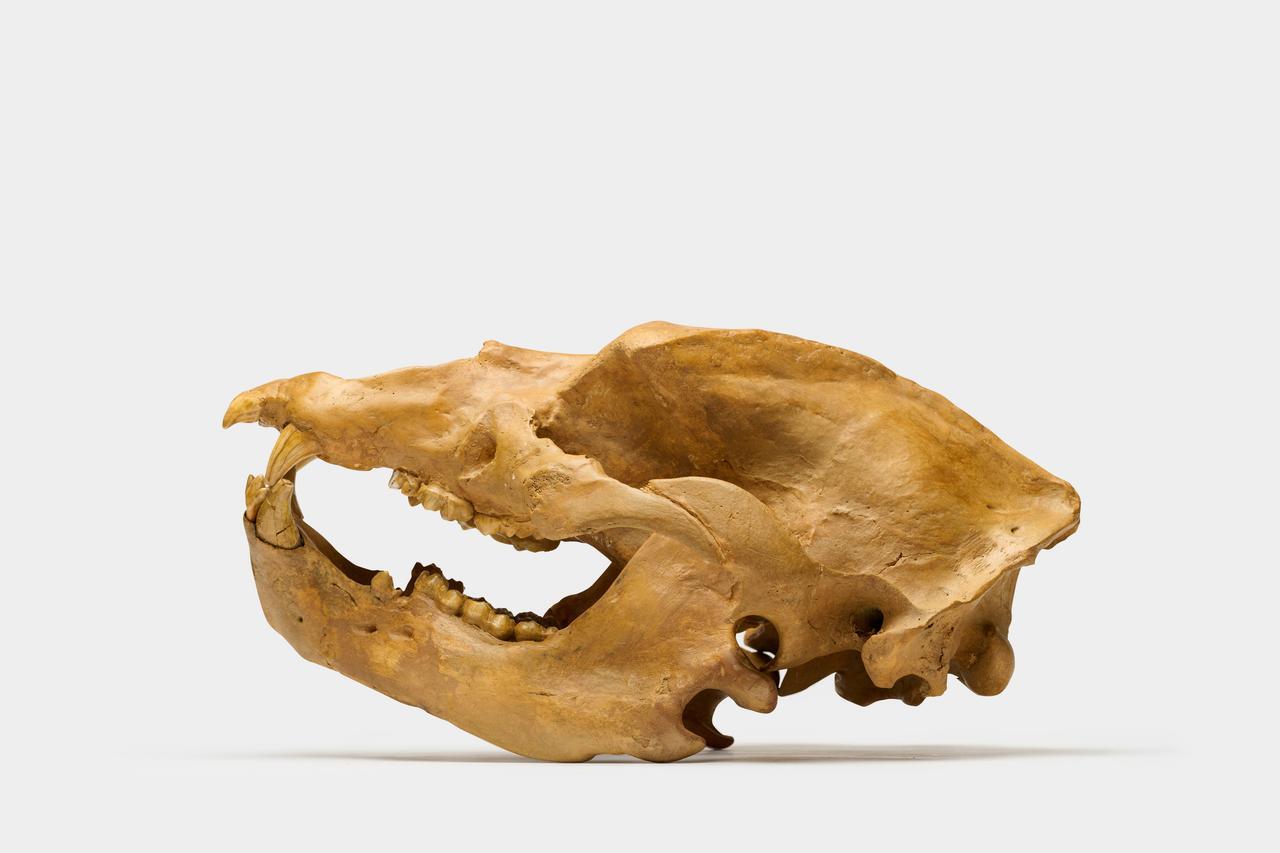
Mosasauro - Dente fossile - 45 mm (Senza prezzo di riserva)


04
giorni
12
ore
28
minuti
46
secondi

Nessuna offerta
Tutela degli acquirenti Catawiki
Il tuo pagamento è al sicuro con noi finché non ricevi il tuo oggetto.Mostra dettagli
Trustpilot 4.4 | 128070 recensioni
Valutato Eccellente su Trustpilot.
Dente di Mosasaurus hoffmannii proveniente da Khouribga, Marocco, risalente al Cretaceo superiore (circa 70–66 milioni di anni fa), in condizioni naturali, alto 45 mm, autentico.
Riepilogo creato con l’aiuto dell’IA
Descrizione del venditore
Impressive Mosasaurus Tooth – Late Cretaceous (70–66 Million Years Old) – Khouribga, Morocco
A tangible relic from the age of dinosaurs.
This exceptionally well-preserved Mosasaurus tooth originates from the world-famous phosphate deposits of Khouribga, Morocco, and dates to the Late Cretaceous (Maastrichtian, approx. 70–66 million years ago) — the final chapter before the mass extinction that ended the reign of the dinosaurs.
The Late Cretaceous – A World Before the End
During the Late Cretaceous, vast parts of today’s continents were covered by warm, shallow seas. The climate was tropical, sea levels were high, and marine ecosystems flourished with extraordinary diversity.
Only a few million years after this tooth belonged to a living predator, the catastrophic asteroid impact marked the end of the Cretaceous period. This fossil is therefore a direct witness to a lost world — existing just before one of the most dramatic turning points in Earth’s history.
Mosasaurus – Apex Predator of the Ancient Seas
Mosasaurus hoffmannii was not a dinosaur, but a gigantic marine lizard related to modern monitor lizards. Some species reached lengths of up to 15–18 meters (50–60 feet). With powerful jaws lined with sharp, conical teeth, it ruled the oceans as an apex predator.
Its teeth were perfectly adapted to:
- Firmly gripping prey
- Piercing fish and marine reptiles
- Crushing shells and armored animals
The offered tooth is in excellent condition, displaying:
- Beautifully preserved enamel
- Well-defined natural ridges
- Strong, elegant shape
- Authentic fossil coloration
A striking and authentic specimen combining scientific significance with strong display appeal.
Provenance – Khouribga, Morocco
The region of Khouribga is globally renowned for its rich Late Cretaceous phosphate beds. These deposits are among the most important marine fossil sites in the world. For decades, remarkable fossils of mosasaurs, sharks, sea turtles, and other marine reptiles have been discovered here.
The unique geological conditions of the phosphate layers allow for outstanding fossil preservation, making specimens from this region highly desirable among collectors worldwide.
Why This Specimen Stands Out
- Genuine Late Cretaceous fossil (70–66 million years old)
- From one of the world’s most famous fossil localities
- Excellent state of preservation
- Strong aesthetic and display value
- A true piece of natural history
This is not just a fossil.
It is a remnant of a predator that once dominated prehistoric oceans.
A powerful conversation piece.
A collector’s highlight.
A 70-million-year-old fragment of Earth’s ancient seas — now within reach.
Impressive Mosasaurus Tooth – Late Cretaceous (70–66 Million Years Old) – Khouribga, Morocco
A tangible relic from the age of dinosaurs.
This exceptionally well-preserved Mosasaurus tooth originates from the world-famous phosphate deposits of Khouribga, Morocco, and dates to the Late Cretaceous (Maastrichtian, approx. 70–66 million years ago) — the final chapter before the mass extinction that ended the reign of the dinosaurs.
The Late Cretaceous – A World Before the End
During the Late Cretaceous, vast parts of today’s continents were covered by warm, shallow seas. The climate was tropical, sea levels were high, and marine ecosystems flourished with extraordinary diversity.
Only a few million years after this tooth belonged to a living predator, the catastrophic asteroid impact marked the end of the Cretaceous period. This fossil is therefore a direct witness to a lost world — existing just before one of the most dramatic turning points in Earth’s history.
Mosasaurus – Apex Predator of the Ancient Seas
Mosasaurus hoffmannii was not a dinosaur, but a gigantic marine lizard related to modern monitor lizards. Some species reached lengths of up to 15–18 meters (50–60 feet). With powerful jaws lined with sharp, conical teeth, it ruled the oceans as an apex predator.
Its teeth were perfectly adapted to:
- Firmly gripping prey
- Piercing fish and marine reptiles
- Crushing shells and armored animals
The offered tooth is in excellent condition, displaying:
- Beautifully preserved enamel
- Well-defined natural ridges
- Strong, elegant shape
- Authentic fossil coloration
A striking and authentic specimen combining scientific significance with strong display appeal.
Provenance – Khouribga, Morocco
The region of Khouribga is globally renowned for its rich Late Cretaceous phosphate beds. These deposits are among the most important marine fossil sites in the world. For decades, remarkable fossils of mosasaurs, sharks, sea turtles, and other marine reptiles have been discovered here.
The unique geological conditions of the phosphate layers allow for outstanding fossil preservation, making specimens from this region highly desirable among collectors worldwide.
Why This Specimen Stands Out
- Genuine Late Cretaceous fossil (70–66 million years old)
- From one of the world’s most famous fossil localities
- Excellent state of preservation
- Strong aesthetic and display value
- A true piece of natural history
This is not just a fossil.
It is a remnant of a predator that once dominated prehistoric oceans.
A powerful conversation piece.
A collector’s highlight.
A 70-million-year-old fragment of Earth’s ancient seas — now within reach.
Dettagli
Numero di articoli
1
Esemplare
Mosasauro
Paese d’origine
Marocco
Periodo geologico
Cretaceo (145 – 66 milioni di anni)
Condizione
Naturale
Altezza
45 mm
Autenticità
Originale/ufficiale
Venduto da