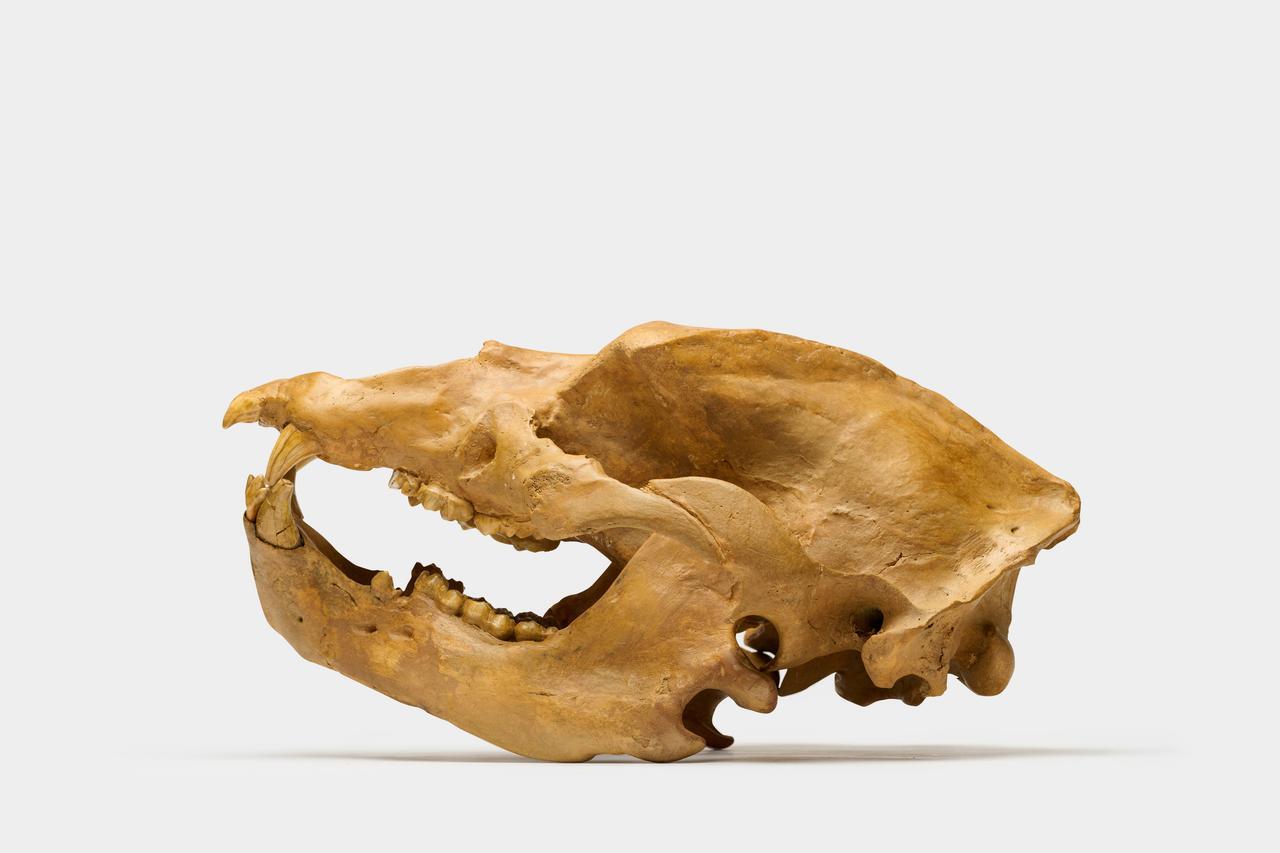
Balena - Dente fossile - Basilosaurus - 15 cm - 3 cm


04
giorni
16
ore
50
minuti
48
secondi
Offerta attuale
€ 24
Prezzo di riserva non raggiunto

3 persone stanno guardando questo oggetto
Offerente 5229 | 24 € |
|---|
Tutela degli acquirenti Catawiki
Il tuo pagamento è al sicuro con noi finché non ricevi il tuo oggetto.Mostra dettagli
Trustpilot 4.4 | 128070 recensioni
Valutato Eccellente su Trustpilot.
zanna canina di Basilosaurus proveniente dal Marocco, Paleogene (Eocene), conservata e restaurata, 15 cm di lunghezza, 3 cm di larghezza, 84 g di peso.
Riepilogo creato con l’aiuto dell’IA
Descrizione del venditore
→15 cm long Basilosaurus canine teeth measured at the outer curved surface
→12.6 cm long Basilosaurus canine teeth measured end to end.
→3 cm wide at the widest point
→84 grams weight
It is a very interesting and cool fossil revealing the unique curve of the front canine of Basilosaurus. The front incisors were more curved and less thicker than canines. The canines have less curvature & are more thicker compared to incisors. The reason being the fact that canines should more firmly hold onto to prey while delivering fatal puncture wounds.
The presented fossil root is light cream colored with yellow tone to it while the crown of the teeth is in characteristic chocolate color which is common color in Basilosaurus fossils from Morocco. This canine is representation of how big these archaeocetes whales were and were top predators of the oceans particularly near the shallow regions.
Small but necessary amount of restoration material is added in the root of the tooth to make it long lasting and the teeth is professionally conserved as well. Overall the teeth is in very robust and excellent shape. As seen in few photos, the canine looks like a jumping whale, making it very cool and reminding of iconic Basilosaurus.
The Basilosaurus had front incisors then came canines and then pre-molar and finally the molars towards the end of the jaw. All those teeth showed variation as we travel along the length of the jaw as Basilosauridae exhibited prominent heterodonty. (Heterodonty means multiple types of teeth with different shapes and functions, such as incisors, canines, premolars, and molars).
While Durodon preyed on smaller fish and other near shore marine creatures, the larger Basilosaurus was a formidable hunter reaching length upto 20 meters (66 feet) and capable of taking down large prey with tremendous bite force. One of the favourite prey of Basilosaurus was Durodon as well.
Please refer to detailed photos for reference. Different photos have been provided to give an idea about the shape,size, color and other features of the fossil.
→15 cm long Basilosaurus canine teeth measured at the outer curved surface
→12.6 cm long Basilosaurus canine teeth measured end to end.
→3 cm wide at the widest point
→84 grams weight
It is a very interesting and cool fossil revealing the unique curve of the front canine of Basilosaurus. The front incisors were more curved and less thicker than canines. The canines have less curvature & are more thicker compared to incisors. The reason being the fact that canines should more firmly hold onto to prey while delivering fatal puncture wounds.
The presented fossil root is light cream colored with yellow tone to it while the crown of the teeth is in characteristic chocolate color which is common color in Basilosaurus fossils from Morocco. This canine is representation of how big these archaeocetes whales were and were top predators of the oceans particularly near the shallow regions.
Small but necessary amount of restoration material is added in the root of the tooth to make it long lasting and the teeth is professionally conserved as well. Overall the teeth is in very robust and excellent shape. As seen in few photos, the canine looks like a jumping whale, making it very cool and reminding of iconic Basilosaurus.
The Basilosaurus had front incisors then came canines and then pre-molar and finally the molars towards the end of the jaw. All those teeth showed variation as we travel along the length of the jaw as Basilosauridae exhibited prominent heterodonty. (Heterodonty means multiple types of teeth with different shapes and functions, such as incisors, canines, premolars, and molars).
While Durodon preyed on smaller fish and other near shore marine creatures, the larger Basilosaurus was a formidable hunter reaching length upto 20 meters (66 feet) and capable of taking down large prey with tremendous bite force. One of the favourite prey of Basilosaurus was Durodon as well.
Please refer to detailed photos for reference. Different photos have been provided to give an idea about the shape,size, color and other features of the fossil.
Dettagli
Numero di articoli
1
Esemplare
Balena
Nome scientifico
Basilosaurus
Paese d’origine
Marocco
Periodo geologico
Paleogene, Eocene (56 – 33,9 milioni di anni)
Condizione
Restaurato
Trattamento
Conservato
Peso
84 g
Altezza
15 cm
Larghezza
3 cm
Autenticità
Originale/ufficiale
Venduto da