Abraham Bloemaert (1564-1651), Attrib. - Bacchus


03
giorni
04
ore
39
minuti
50
secondi
Offerta attuale
€ 2.250
Prezzo di riserva non raggiunto

Esperto
Selezionato da Caterina Maffeis
Laurea magistrale in pittura rinascimentale, tirocinio Sotheby’s e 15 anni di esperienza.
Stima € 4.500 - € 6.500
22 persone stanno guardando questo oggetto
 | 2.250 € | |
|---|---|---|
 | 2.050 € | |
 | 1.950 € | |
Tutela degli acquirenti Catawiki
Il tuo pagamento è al sicuro con noi finché non ricevi il tuo oggetto.Mostra dettagli
Trustpilot 4.4 | 133362 recensioni
Valutato Eccellente su Trustpilot.
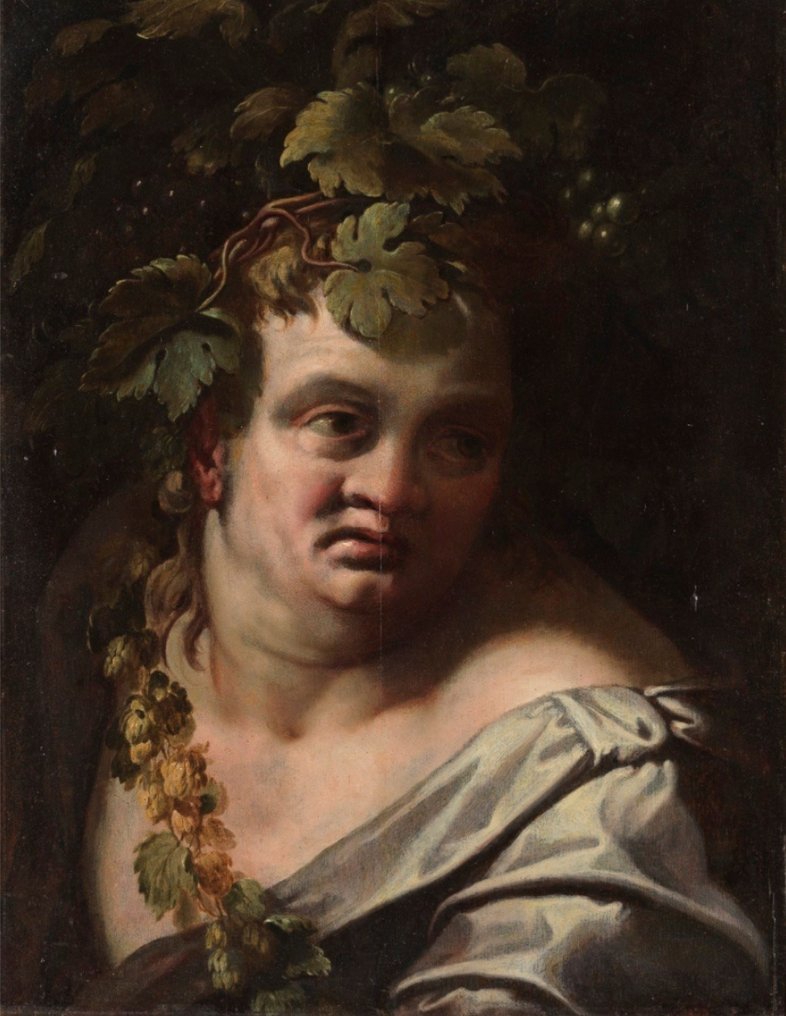
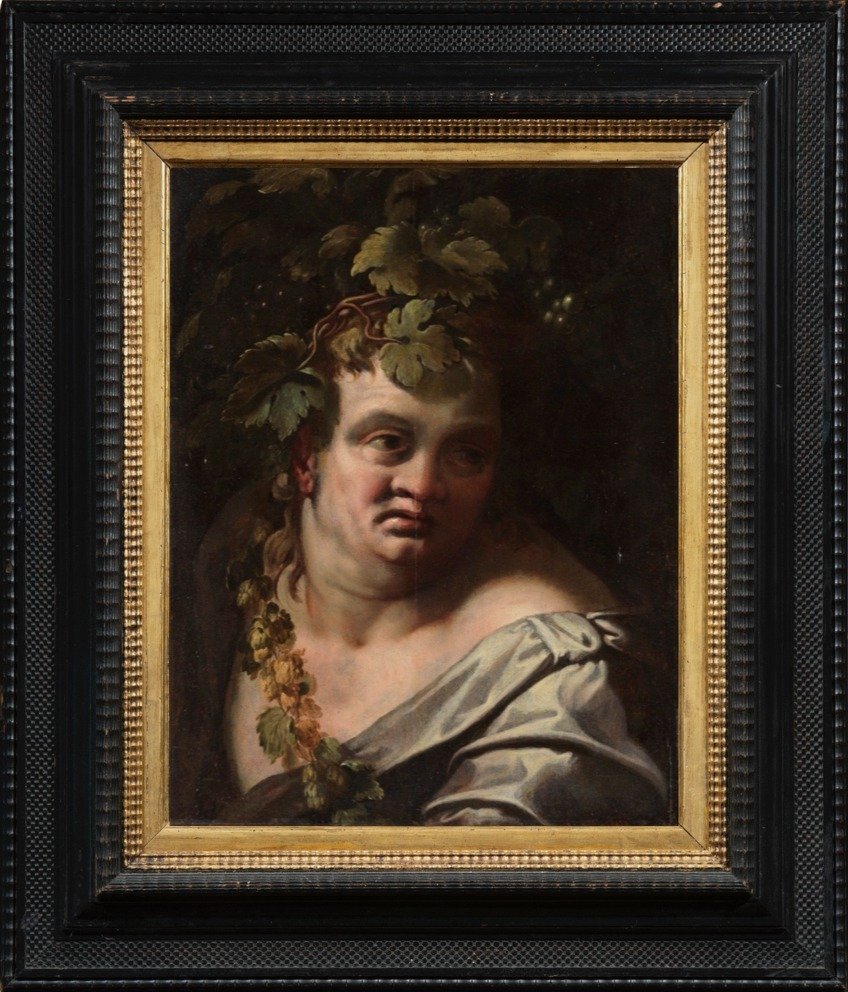
Bacchus, olio su tavola del XVII secolo, attribuito ad Abraham Bloemaert, Paesi Bassi, 60 × 45 cm, buone condizioni, venduto con cornice.
Riepilogo creato con l’aiuto dell’IA
Descrizione del venditore
Title: Bacchus
Medium: oil on panel
Dimensions: 60 x 45 cm
Abraham Bloemaert is an artist from the Dutch Golden Age, born in Gorinchem in 1564. He initially trained under his father Cornelis Bloemaert (1603–1692), an architect and sculptor who moved to Utrecht in 1575. Subsequently, he had six different teachers, including Gerrit Splinter (?–1586) and Joost de Beer (before 1535 - 1591/93). In 1581 or 1582, he left for France, completing his training in Paris and Fontainebleau, notably under Hieronymus Franck (1578–1623).
Bloemaert spent most of his life in Utrecht, except for a few years in Amsterdam between 1591 and 1593. In 1611, he was one of the founders of the Guild of Saint Luke in Utrecht, of which he was appointed dean in 1618. Known for his genre subjects, mythological themes, and accurate landscapes, he also painted biblical subjects and large altarpieces for churches, such as the Jesuit church in Brussels and the Sint Janskerk in Utrecht.
As a master to an entire generation of painters, Bloemaert had a significant influence on the art of Utrecht. His "Fondamenten der Teecken-Konst" (Foundations of the Art of Drawing), illustrated by his son Frédéric, trained young artists until the 19th century. Among his most notable pupils were the Caravaggisti Gerrit van Honthorst (1592–1656), Hendrick ter Brugghen (1588–1629), and Jan van Bijlert (1597–1671).
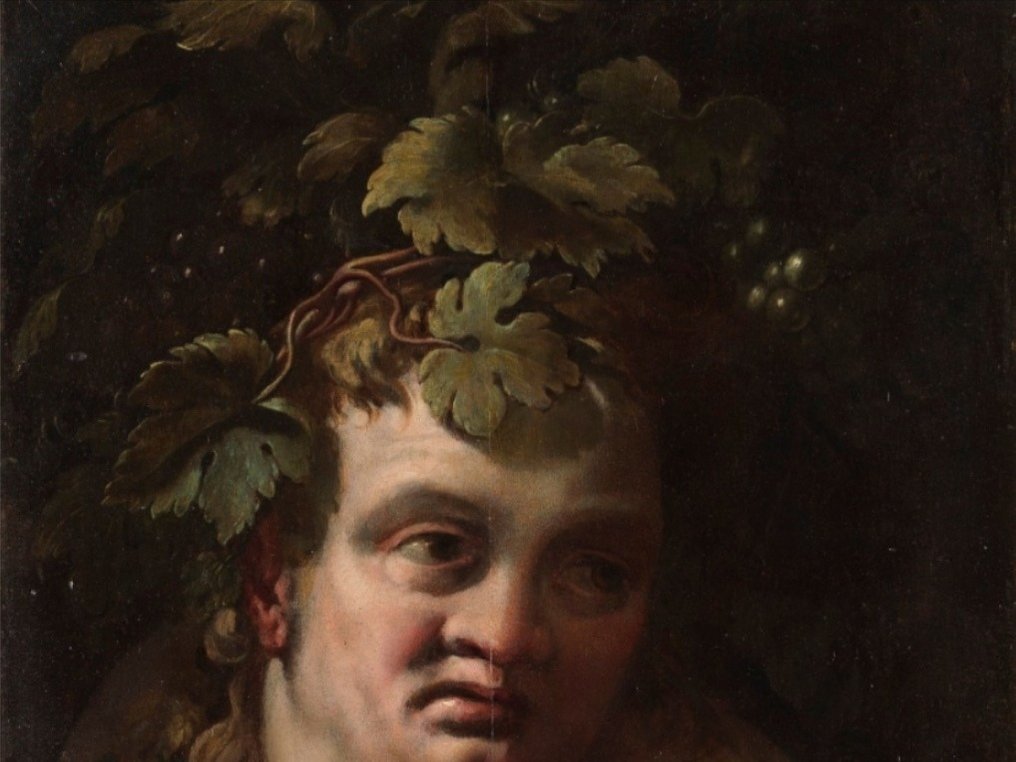
Abraham Bloemaert experienced a brief Caravaggesque period in the early 1620s, as evident in the Bacchus presented here. The god of wine, crowned with vines and facing left, features chiaroscuro lighting that highlights his facial features and skin contours. This headdress of grapes and vine leaves can also be seen in another Bacchus painted by Bloemaert, housed at Buscot Park in the Lords Faringdon Collection (Fig. 2). Here, too, the chiaroscuro lighting intensifies the expression of the face, showing a physiognomic similarity that allows us to attribute our work to the same artist.
Title: Bacchus
Medium: oil on panel
Dimensions: 60 x 45 cm
Abraham Bloemaert is an artist from the Dutch Golden Age, born in Gorinchem in 1564. He initially trained under his father Cornelis Bloemaert (1603–1692), an architect and sculptor who moved to Utrecht in 1575. Subsequently, he had six different teachers, including Gerrit Splinter (?–1586) and Joost de Beer (before 1535 - 1591/93). In 1581 or 1582, he left for France, completing his training in Paris and Fontainebleau, notably under Hieronymus Franck (1578–1623).
Bloemaert spent most of his life in Utrecht, except for a few years in Amsterdam between 1591 and 1593. In 1611, he was one of the founders of the Guild of Saint Luke in Utrecht, of which he was appointed dean in 1618. Known for his genre subjects, mythological themes, and accurate landscapes, he also painted biblical subjects and large altarpieces for churches, such as the Jesuit church in Brussels and the Sint Janskerk in Utrecht.
As a master to an entire generation of painters, Bloemaert had a significant influence on the art of Utrecht. His "Fondamenten der Teecken-Konst" (Foundations of the Art of Drawing), illustrated by his son Frédéric, trained young artists until the 19th century. Among his most notable pupils were the Caravaggisti Gerrit van Honthorst (1592–1656), Hendrick ter Brugghen (1588–1629), and Jan van Bijlert (1597–1671).
Abraham Bloemaert experienced a brief Caravaggesque period in the early 1620s, as evident in the Bacchus presented here. The god of wine, crowned with vines and facing left, features chiaroscuro lighting that highlights his facial features and skin contours. This headdress of grapes and vine leaves can also be seen in another Bacchus painted by Bloemaert, housed at Buscot Park in the Lords Faringdon Collection (Fig. 2). Here, too, the chiaroscuro lighting intensifies the expression of the face, showing a physiognomic similarity that allows us to attribute our work to the same artist.
Dettagli
Artista
Abraham Bloemaert (1564-1651), Attrib.
Venduto con cornice
Sì
Titolo dell'opera
Bacchus
Tecnica
Pittura a olio
Firma
Non firmato
Paese d’origine
Paesi Bassi
Condizione
Buone condizioni
Altezza
60 cm
Larghezza
45 cm
Periodo
XVII secolo
Venduto da
