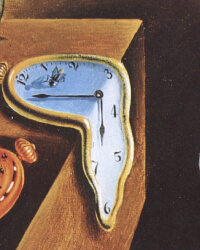
Martin Bradley (1931) - Untitled, 1992, from the "Suite Olympic Centennial"


06
dias
06
horas
39
minutos
26
segundos
Licitação inicial
€ 1
Preço de reserva não foi atingido

Nenhuma licitação
Proteção do comprador da Catawiki
O seu pagamento está seguro connosco até receber o seu objeto.Ver detalhes
Trustpilot 4.4 | 123536 avaliações
Classificada como Excelente na Trustpilot.
Descrição fornecida pelo vendedor
MARTIN BRADLEY (Richmond, England, 1931), Untitled, 1992, from the "Suite Olympic Centennial".
Title - Untitled, 1992, from the "Suite Olympic Centennial".
Medium - Silkscreen on 270 gram Vélin d'Arches paper,
Editition – Limited Edition
Edition Number - Copy P.A. 35/50.
Signature - Signed and justified by hand.
Measurements - 90 x 63 cm.
Condition – Excellent condition
References:
These serigraphs were made for the series published by the International Olympic Committee on the occasion of the centenary of modern Olympics in 1992.
Printed in 1992 in celebration of the 100th anniversary of the Olympics games. All the prints in this collection are stamped by the Olympic committee. This collection of prints can be found in the permanent collection of the Olympic Museum in Lausanne.
With a rebellious spirit, Martin Bradley began his career as an artist at a very early age, settling in London in 1949. In the mid 50's Bradley became friends with the writers of the group "The angry Young men", transcendental writers within the British literary renewal, meeting there other young painters, such as Phililip Martin or Alan Davie. In 1961 he received a scholarship to settle in Brazil, where he achieved great success and which led him to exhibit, on his return to Europe, in the historic exhibition "Arte e Contemplazione" at the Palazzo Grassi in Venice. After her success in Italy and Spain, Bradley traveled the world, crossing Turkey, Afghanistan, India and Nepal, becoming fascinated by the Far East. At first, the work of this artist presents a self-destructive tendency, although it evolves to works of fresh workmanship, vivid color, extreme fantasy and sympathetic appearance, resulting in works that are part of the English Pop movement. However, in contrast to this positivism, a series of graphics, signs and symbologies that allude to critiques of traditional customs and reflections on the passage of time are intuited, characteristics that make Bradley's paintings tremendously interesting works full of nuances.
MARTIN BRADLEY (Richmond, England, 1931), Untitled, 1992, from the "Suite Olympic Centennial".
Title - Untitled, 1992, from the "Suite Olympic Centennial".
Medium - Silkscreen on 270 gram Vélin d'Arches paper,
Editition – Limited Edition
Edition Number - Copy P.A. 35/50.
Signature - Signed and justified by hand.
Measurements - 90 x 63 cm.
Condition – Excellent condition
References:
These serigraphs were made for the series published by the International Olympic Committee on the occasion of the centenary of modern Olympics in 1992.
Printed in 1992 in celebration of the 100th anniversary of the Olympics games. All the prints in this collection are stamped by the Olympic committee. This collection of prints can be found in the permanent collection of the Olympic Museum in Lausanne.
With a rebellious spirit, Martin Bradley began his career as an artist at a very early age, settling in London in 1949. In the mid 50's Bradley became friends with the writers of the group "The angry Young men", transcendental writers within the British literary renewal, meeting there other young painters, such as Phililip Martin or Alan Davie. In 1961 he received a scholarship to settle in Brazil, where he achieved great success and which led him to exhibit, on his return to Europe, in the historic exhibition "Arte e Contemplazione" at the Palazzo Grassi in Venice. After her success in Italy and Spain, Bradley traveled the world, crossing Turkey, Afghanistan, India and Nepal, becoming fascinated by the Far East. At first, the work of this artist presents a self-destructive tendency, although it evolves to works of fresh workmanship, vivid color, extreme fantasy and sympathetic appearance, resulting in works that are part of the English Pop movement. However, in contrast to this positivism, a series of graphics, signs and symbologies that allude to critiques of traditional customs and reflections on the passage of time are intuited, characteristics that make Bradley's paintings tremendously interesting works full of nuances.
Dados
Artista
Martin Bradley (1931)
Vendido por
Proprietário ou revendedor
Edição
Edição limitada
Edition number
PA - 35/50
Título da obra de arte
Untitled, 1992, from the "Suite Olympic Centennial"
Técnica
Serigrafia
Assinatura
Assinado à mão
País de origem
Suíça
Ano
1992
Estado
Excelente estado
Altura
90 cm
Largura
63 cm
Peso
350 g
Estilo
Contemporâneo
Período
1990-2000
Vendido com moldura
Não
Vendido por