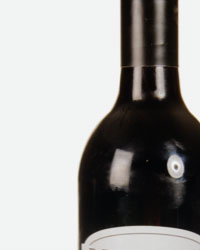
Quinta da Pacheca - 20 years old Tawny - Douro - 2 Flaskor (0,75L)


03
dagar
23
timmar
24
minuter
44
sekunder

17 andra personer tittar på detta objekt
 Budgivare 0117 Budgivare 0117 | 8 € | |
|---|---|---|
 Budgivare 6936 Budgivare 6936 | 7 € | |
 Budgivare 9175 Budgivare 9175 | 5 € | |
Catawikis köparskydd
Din betalning är säker hos oss tills du får ditt objekt.Se detaljer
Trustpilot 4.4 | 127526 omdömen
Betygsatt utmärkt på Trustpilot.
Quinta da Pacheca 20 år Tawny Port Douro Portblandning, 2 flaskor 0,75 L i originalpresentförpackning med fullständigt intakt etikett och kapsel.
AI-assisterad sammanfattning
Beskrivning från säljaren
Quinta da Pacheca 20 Years Old Tawny Port 2 x 0.75L
2 Bottles
Port Wine
WINEMAKERS: Maria Serpa Pimentel.
AWARDS/RECOMMENDATIONS
91 Points, Robert Parker
89 Points, Decanter World Wine Awards
WINE VARIETIES: Traditional red grape varieties of the Douro region originally from Old Vineyards.
VINIFICATION
Pacheca 20 year old Tawny Port is a wine resulting from a lot of several Port Wines that have aged in old casks of 550-liters over many years in the fresh warehouse of Quinta da Pacheca. During the aging the wine loses its color and becomes brownish, the aroma acquires notes of oxidative aging.
TASTING NOTES
Presents an amber and bright color with an elegant nose and evident notes of dried figs, nuts and caramel. It is extremely soft in the mouth, with an acidity that gives it freshness, standing out once again the notes of nuts and caramel.
SERVING
It should be drunk slightly fresh at the end of the meal accompanying desserts of caramel praline, dried fruit or sweet eggs. Should be served between 16 and 18ºC.
QUINTA DA PACHECA HISTORY
Among the valleys of the Douro River, near the left bank, in the village of Cambres, Lamego county, in the heart of the first Pombaline demarcation of the Region, is Quinta da Pacheca, one of the most prestigious and recognized properties in the Douro Demarcated Region. The history of the vineyard in this property dates back to the XVI century when it was a collection of vines that belonged to the Monasteries of Salzedas and St. João de Tarouca, as referred to in a document dating 1551. The estate is mentioned for the first time in a document dated from April 1738 where it is referred to as “Pacheca”, a feminine form of the family name Pacheco for being owned for a lady, Da. Mariana Pacheco Pereira, an imposing woman who took care of the property by herself. One of the Pombaline landmarks remaining that were first used in 1758 to outline this first ever Demarcated Wine Region in the world by the Marquês de Pombal, is still preserved inside Quinta da Pacheca, right at the main entrance to the traditional stone tanks. These granitic stone marks were declared property of national interest in the 1940s. It was in 1903 that D. José Freire de Serpa Pimentel bought the property and began to work on the modernization of the vineyard and structures among which are eight granite stone tanks where red wines from Pacheca are still vinified, resulting in limited annual productions of special categories Douro DOC wines and Port wines.
With around 75 hectares of own vineyards planted in the Humanity World Heritage, classified by UNESCO in 2001, Quinta da Pacheca has always been focused in the production of quality Douro DOC and Port wines and was one of the first in the region to bottle DOC wines under its own brand. It was in 1977 that the commercialization of DOC wines with the brands of Quinta da Pacheca and Quinta de Vale Abraão started, which vineyards still belongs to Quinta da Pacheca today, under the leadership of the pioneer D. Eduardo Mendia Freire de Serpa Pimentel who was the first in Portugal to produce white wines from Sauvignon Blanc, Riesling and Gewurztraminer. Nowadays, Serpa Pimentel family continues involved in the project with the fourth generation of the family. In 1995 Quinta da Pacheca officially began its project in wine tourism opening its doors for guided tours to the property and sale of its wines in Quinta’s store. The concept was developed over the years with other activities of relevant wine tourism interest and resulted with the opening of The Wine House Hotel Quinta da Pacheca in 2009, thus exploring another form of business and contributing to broaden the tourism offer in an increasingly sought region and recognized as a destination of excellence.
PLEASE NOTE: This is a recurring auction. The seal number(s) you see on the photos might differ from the one(s) on your bottle(s).
Quinta da Pacheca 20 Years Old Tawny Port 2 x 0.75L
2 Bottles
Port Wine
WINEMAKERS: Maria Serpa Pimentel.
AWARDS/RECOMMENDATIONS
91 Points, Robert Parker
89 Points, Decanter World Wine Awards
WINE VARIETIES: Traditional red grape varieties of the Douro region originally from Old Vineyards.
VINIFICATION
Pacheca 20 year old Tawny Port is a wine resulting from a lot of several Port Wines that have aged in old casks of 550-liters over many years in the fresh warehouse of Quinta da Pacheca. During the aging the wine loses its color and becomes brownish, the aroma acquires notes of oxidative aging.
TASTING NOTES
Presents an amber and bright color with an elegant nose and evident notes of dried figs, nuts and caramel. It is extremely soft in the mouth, with an acidity that gives it freshness, standing out once again the notes of nuts and caramel.
SERVING
It should be drunk slightly fresh at the end of the meal accompanying desserts of caramel praline, dried fruit or sweet eggs. Should be served between 16 and 18ºC.
QUINTA DA PACHECA HISTORY
Among the valleys of the Douro River, near the left bank, in the village of Cambres, Lamego county, in the heart of the first Pombaline demarcation of the Region, is Quinta da Pacheca, one of the most prestigious and recognized properties in the Douro Demarcated Region. The history of the vineyard in this property dates back to the XVI century when it was a collection of vines that belonged to the Monasteries of Salzedas and St. João de Tarouca, as referred to in a document dating 1551. The estate is mentioned for the first time in a document dated from April 1738 where it is referred to as “Pacheca”, a feminine form of the family name Pacheco for being owned for a lady, Da. Mariana Pacheco Pereira, an imposing woman who took care of the property by herself. One of the Pombaline landmarks remaining that were first used in 1758 to outline this first ever Demarcated Wine Region in the world by the Marquês de Pombal, is still preserved inside Quinta da Pacheca, right at the main entrance to the traditional stone tanks. These granitic stone marks were declared property of national interest in the 1940s. It was in 1903 that D. José Freire de Serpa Pimentel bought the property and began to work on the modernization of the vineyard and structures among which are eight granite stone tanks where red wines from Pacheca are still vinified, resulting in limited annual productions of special categories Douro DOC wines and Port wines.
With around 75 hectares of own vineyards planted in the Humanity World Heritage, classified by UNESCO in 2001, Quinta da Pacheca has always been focused in the production of quality Douro DOC and Port wines and was one of the first in the region to bottle DOC wines under its own brand. It was in 1977 that the commercialization of DOC wines with the brands of Quinta da Pacheca and Quinta de Vale Abraão started, which vineyards still belongs to Quinta da Pacheca today, under the leadership of the pioneer D. Eduardo Mendia Freire de Serpa Pimentel who was the first in Portugal to produce white wines from Sauvignon Blanc, Riesling and Gewurztraminer. Nowadays, Serpa Pimentel family continues involved in the project with the fourth generation of the family. In 1995 Quinta da Pacheca officially began its project in wine tourism opening its doors for guided tours to the property and sale of its wines in Quinta’s store. The concept was developed over the years with other activities of relevant wine tourism interest and resulted with the opening of The Wine House Hotel Quinta da Pacheca in 2009, thus exploring another form of business and contributing to broaden the tourism offer in an increasingly sought region and recognized as a destination of excellence.
PLEASE NOTE: This is a recurring auction. The seal number(s) you see on the photos might differ from the one(s) on your bottle(s).
Uppgifter
Producent, Namn på vin
Quinta da Pacheca
Klassificering
20 years old Tawny
Antal flaskor
2
Flaskstorlek
Flaskor (0,75L)
Land
Portugal
Regioner
Douro
Druvsorter
Port Blend
Originalförpackning
I original presentask
Kapsyl/ korkskick
Helt intakt metallkapsyl
Kritikerns betyg
91/100 points, Robert Parker
Skick etikett
Helt intakt, läsbar etikett
Såldes av