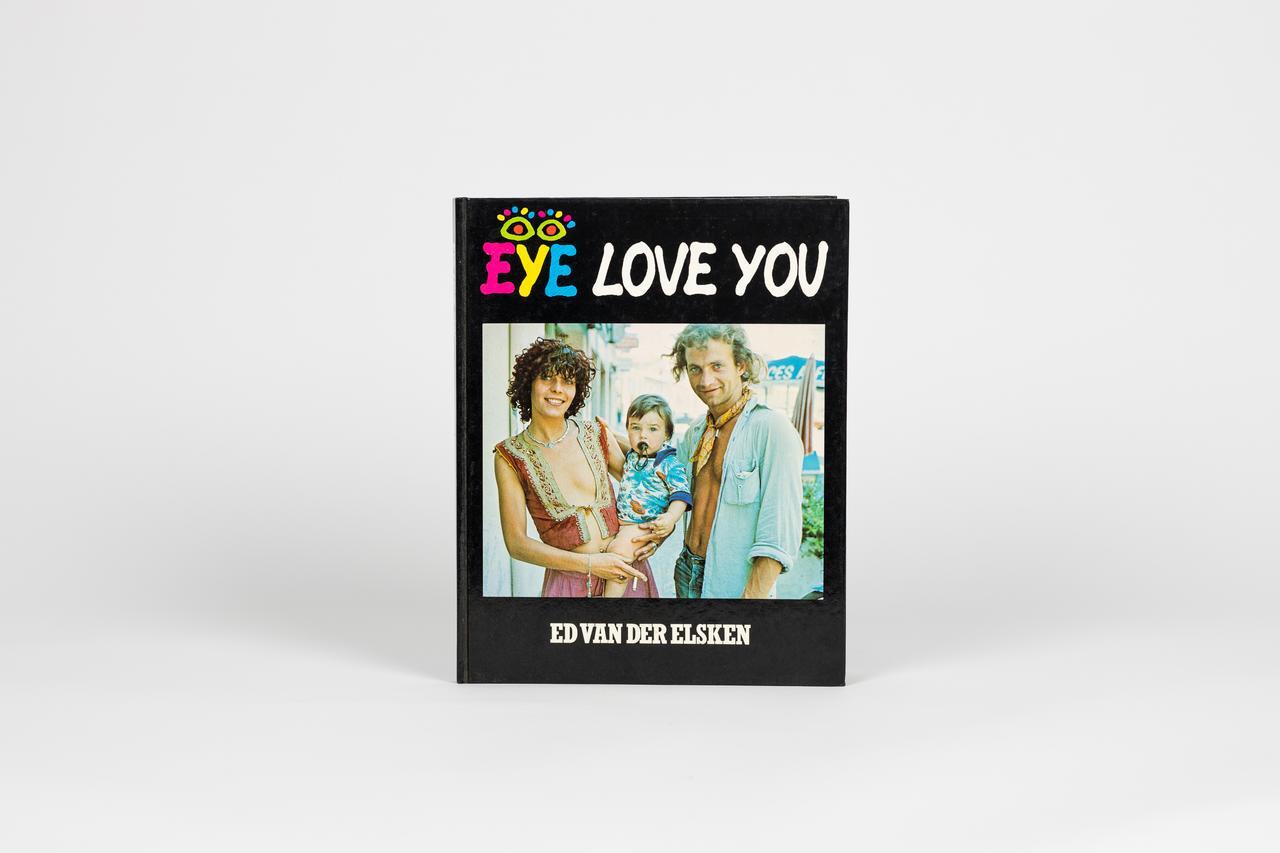
texto: Álvaro Sarmiento; fotos: Fina Torres - Neruda: entierro y testamento - 1973


06
Tage
12
Stunden
07
Minuten
26
Sekunden

15 andere Benutzer beobachten dieses Objekt
 Bieter 1787 Bieter 1787 | 20 € | |
|---|---|---|
 Bieter 4191 Bieter 4191 | 15 € | |
| Bieter 1787 | 10 € | |
Käuferschutz auf Catawiki
Ihre Zahlung wird von uns sicher verwahrt, bis Sie Ihr Objekt erhalten.Details ansehen
Trustpilot 4.4 | 123779 Bewertungen
Auf Trustpilot als hervorragend bewertet.
Neruda: entierro y testamento, Text von Álvaro Sarmiento und Fotos von Fina Torres, Erstauflage, Paperback, Verlag Inventarios Provisionales Editores, 1973, Originalsprache Spanisch.
KI-gestützte Zusammenfassung
Vom Verkäufer bereitgestellte Beschreibung
Great Latin American title with 48 captivating black and white photos by Fina Torres and text by Alvaro Sarmiento and Pablo Neruda, Nobel Prize Winner for Literature in 1971.
Cited in Horacio Fernandez: The Latin American Photobook (pages 102 and 103).
Condition:
Photo-illustrated paperback (as issued) in overall very good condition. Inside clean with no markings and with no foxing. Cover with only little signs of handling.
"In September 1973, Fina Torres, a photojournalist active in Venezuela at the time, was in Santiago during the coup that overthrew the government of the Unidad Popular. She photographed the damage done by the artillery to the facade of the Palacio de la Moneda, the armed soldiers in the streets, and other unsettling scenes of everyday life at the time: the cleaning of painted slogans from the walls, people lining up to buy food, the surveillance of the embassies, and the anguished seriousness of people waiting outside the morgue. Photographs of similar scenes can be found in the photobook Chili September 1973 by Koen Wessing, one of whose images is virtually identical to another taken by Torres. Both photographed a dark-haired girl standing at the door of the morgue and showing the ID photo of a soldier. Torres decided to repeat the image to show more clearly the features of the young man who had disappeared, and Wessing did the same.
Ten days after the coup, the poet Pablo Neruda died in a clinic in Santiago. Torres photographed the funeral procession, which also laid to rest the Unidad Popular and a whole era of leftist aspirations. The procession turned into a demonstration, in spite of the menacing presence of numerous armed soldiers.
In the documentary film Septembre chilien (Chilean September) by Bruno Muel, Théo Robichet, and Valérie Mayoux, you can hear the emotion of people giving eulogies for the dead, and this pain is also present in the photos of Torres and other photographers such as Marcelo Montecino, who from his Mexican exile published his own images of that day in Con sangre en el ojo (With Blood in the Eye, 1981).
Fina Torres left another testimony, that of the vigil held around the dead body of Neruda. As she recalls, she was "the only photographer in the writer's residence on the day of his death." The house had been entered and sacked by soldiers, an event almost prophesied in the lines "Traitor / generals: / behold my dead house" from España en el Corazon (Spain in the Heart). The photos show empty shelves, ashes from the auto-da-fé, open closets, flooded rooms, and other signs of plunder and destruction-images of the desolation that the deceased poet's relatives, also captured by Torres's camera, seem not to notice."
(Horacio Fernandez, The Latin American Photobook, page 102 and 103)
Great Latin American title with 48 captivating black and white photos by Fina Torres and text by Alvaro Sarmiento and Pablo Neruda, Nobel Prize Winner for Literature in 1971.
Cited in Horacio Fernandez: The Latin American Photobook (pages 102 and 103).
Condition:
Photo-illustrated paperback (as issued) in overall very good condition. Inside clean with no markings and with no foxing. Cover with only little signs of handling.
"In September 1973, Fina Torres, a photojournalist active in Venezuela at the time, was in Santiago during the coup that overthrew the government of the Unidad Popular. She photographed the damage done by the artillery to the facade of the Palacio de la Moneda, the armed soldiers in the streets, and other unsettling scenes of everyday life at the time: the cleaning of painted slogans from the walls, people lining up to buy food, the surveillance of the embassies, and the anguished seriousness of people waiting outside the morgue. Photographs of similar scenes can be found in the photobook Chili September 1973 by Koen Wessing, one of whose images is virtually identical to another taken by Torres. Both photographed a dark-haired girl standing at the door of the morgue and showing the ID photo of a soldier. Torres decided to repeat the image to show more clearly the features of the young man who had disappeared, and Wessing did the same.
Ten days after the coup, the poet Pablo Neruda died in a clinic in Santiago. Torres photographed the funeral procession, which also laid to rest the Unidad Popular and a whole era of leftist aspirations. The procession turned into a demonstration, in spite of the menacing presence of numerous armed soldiers.
In the documentary film Septembre chilien (Chilean September) by Bruno Muel, Théo Robichet, and Valérie Mayoux, you can hear the emotion of people giving eulogies for the dead, and this pain is also present in the photos of Torres and other photographers such as Marcelo Montecino, who from his Mexican exile published his own images of that day in Con sangre en el ojo (With Blood in the Eye, 1981).
Fina Torres left another testimony, that of the vigil held around the dead body of Neruda. As she recalls, she was "the only photographer in the writer's residence on the day of his death." The house had been entered and sacked by soldiers, an event almost prophesied in the lines "Traitor / generals: / behold my dead house" from España en el Corazon (Spain in the Heart). The photos show empty shelves, ashes from the auto-da-fé, open closets, flooded rooms, and other signs of plunder and destruction-images of the desolation that the deceased poet's relatives, also captured by Torres's camera, seem not to notice."
(Horacio Fernandez, The Latin American Photobook, page 102 and 103)
Details
Anzahl der Bücher
1
Thema
Fotografie
Buchtitel
Neruda: entierro y testamento
Autor/ Illustrator
texto: Álvaro Sarmiento; fotos: Fina Torres
Zustand
Gut
Erscheinungsjahr (ältestes Objekt)
1973
Höhe
193 mm
Auflage
Erstauflage
Breite
138 mm
Sprache
spanisch
Originalsprache
Ja
Verlag
Inventarios Provisionales Editores
Bindung
Broschur
Anzahl der Seiten
151
Verkauft von