Flavius Magnus Aurelius Cassiodorus Senator - Opera omnia quae extant - 1650
10
days
06
hours
45
minutes
22
seconds
Starting bid
€ 1
Reserve price not met

Expert
Selected by Volker Riepenhausen
Specialist in travel literature and pre-1600 rare prints with 28 years experience.
Estimate € 170 - € 250
No bids placed
Catawiki Buyer Protection
Your payment’s safe with us until you receive your object.View details
Trustpilot 4.4 | 122910 reviews
Rated Excellent on Trustpilot.
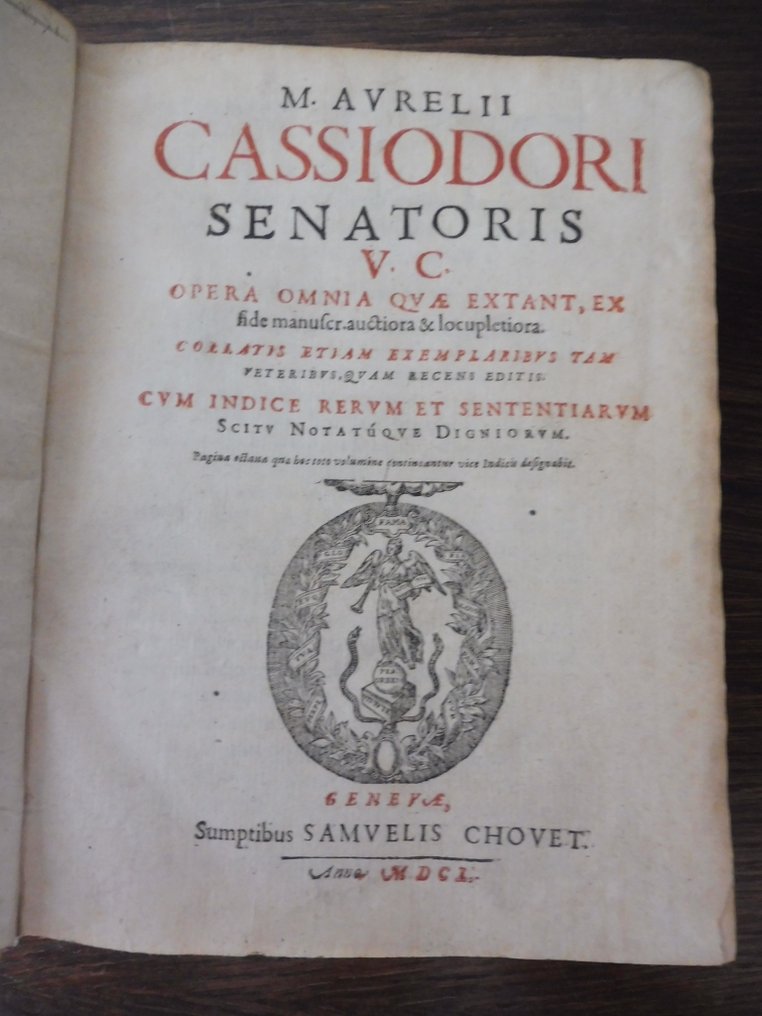
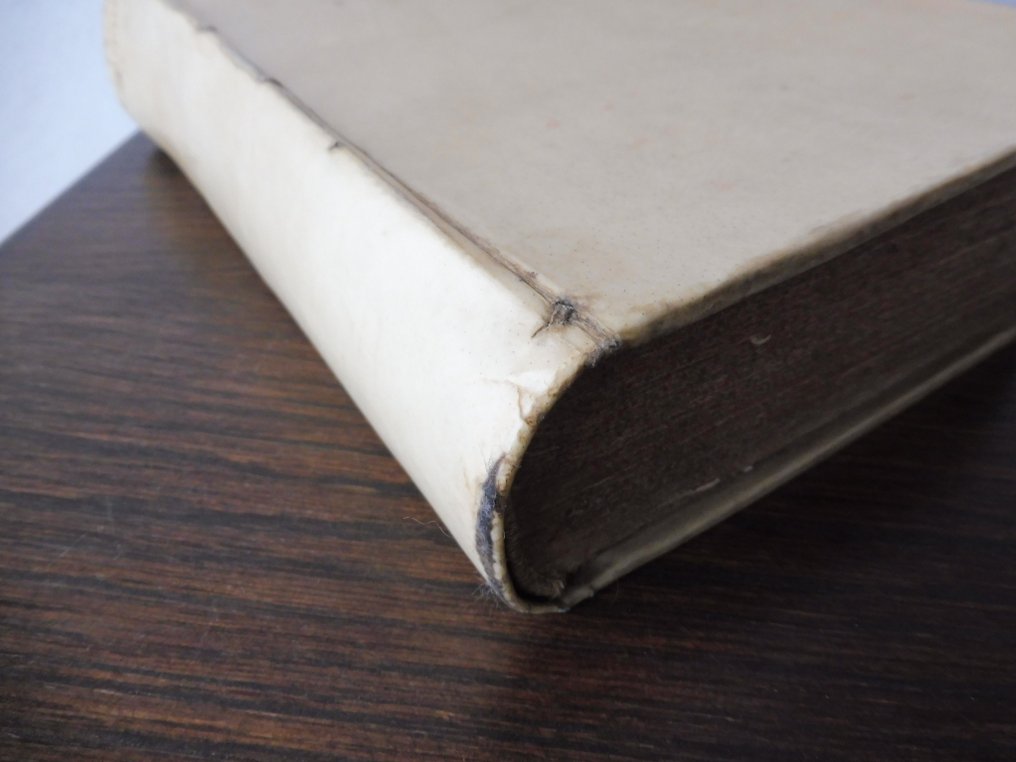
Cassiodorus Senator Flavius Magnus Aurelius — Opera omnia quae extant, Geneva: Samuel Chovet, 1650, Latin, vellum binding, 827 pages, 22.5 × 17 cm, in very good condition.
AI-assisted summary
Description from the seller
M. Aurelii Cassiodori, senator - Complete works that survive (...) - Geneva, Samuel Chovet, 1650 - (16), 779, (32) pages - 17 x 22.5 cm.
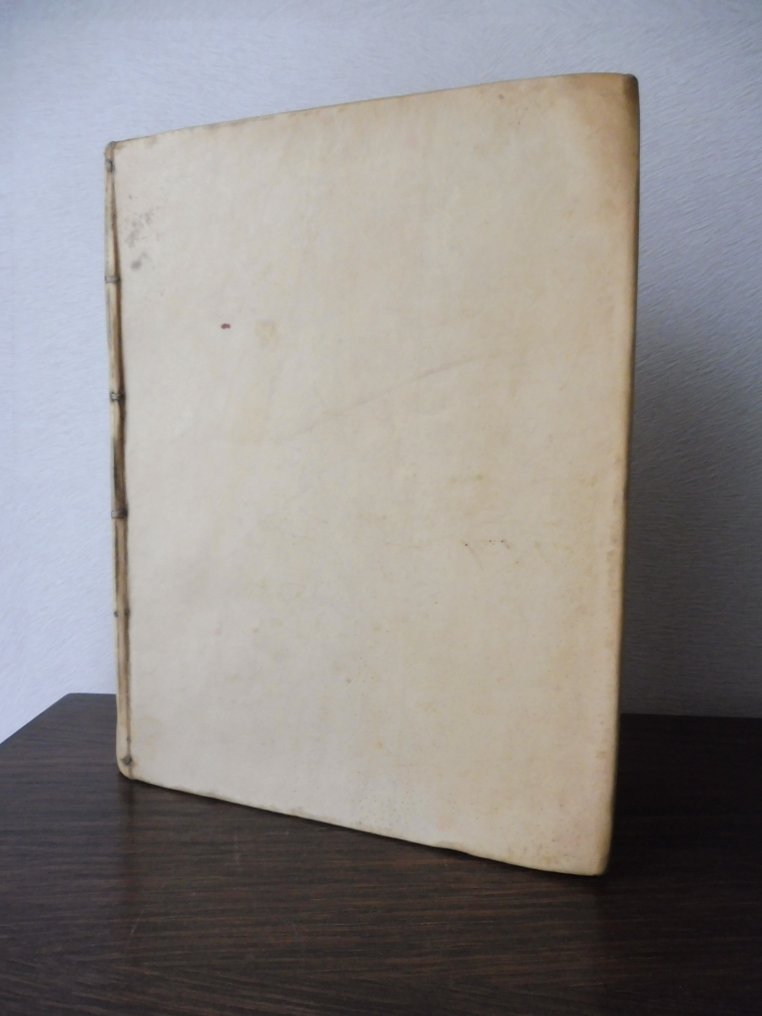
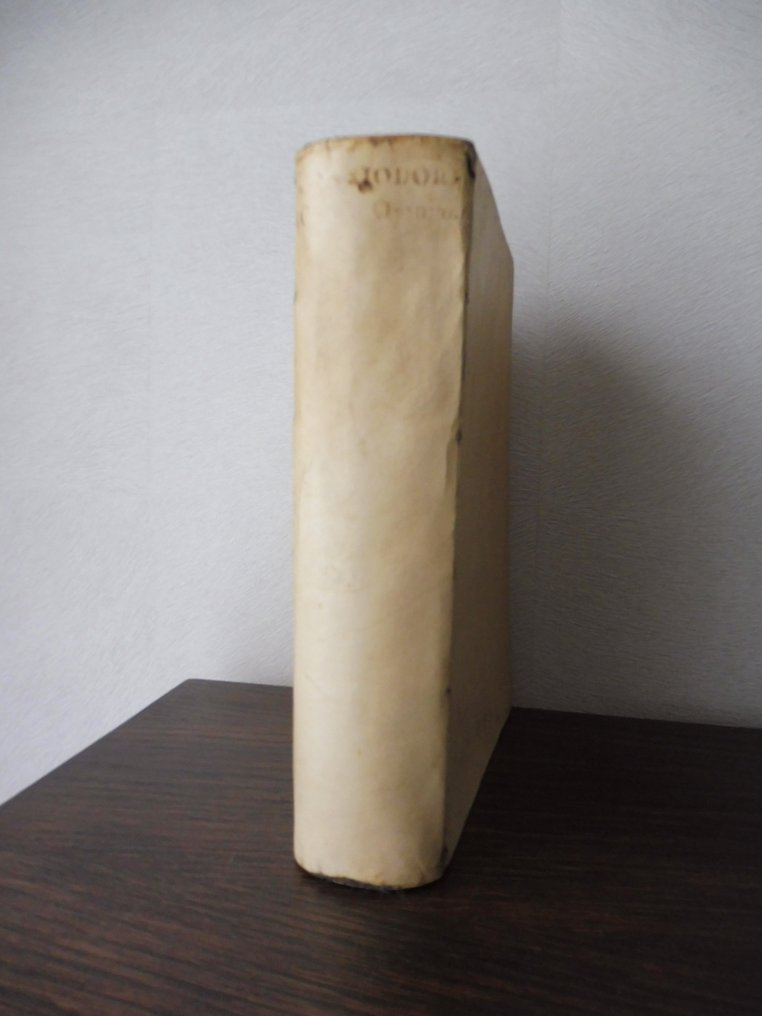
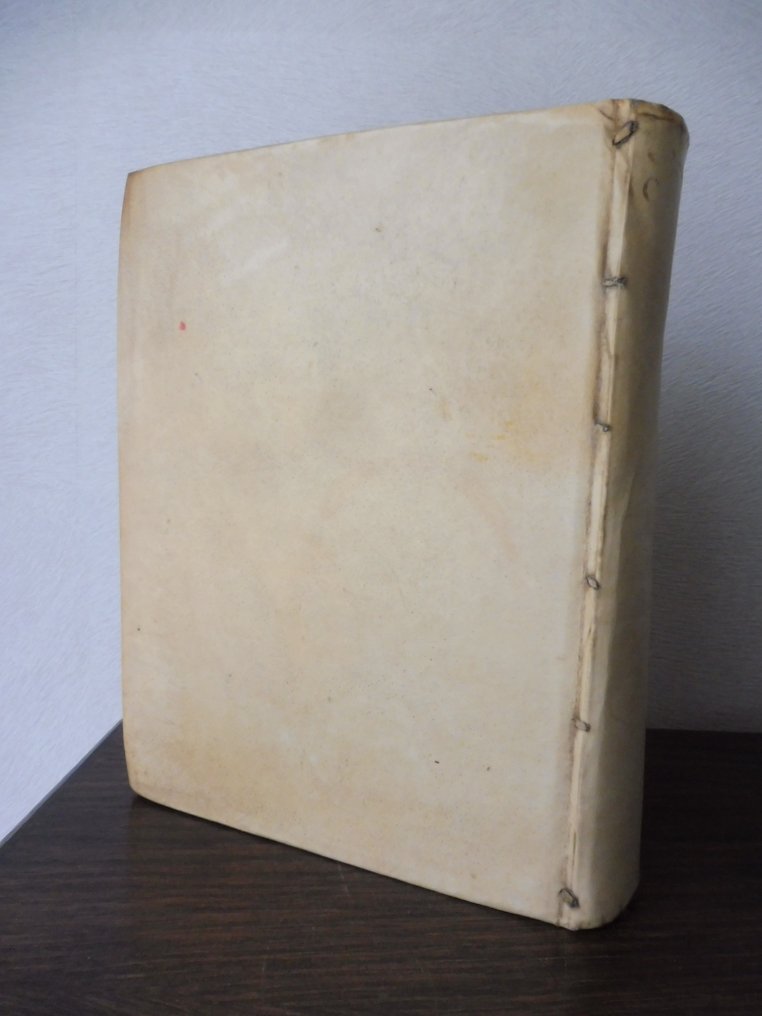
Condition: very good. Title in red and black. Woodcut with printer logo. Slight discoloration of the paper here and there. Sturdy, pleasant contemporary velvet binding. A book that breathes history.
Track and trace.
Professional book packaging
Insured shipment.
-------------------------------------------
Flavius Magnus Aurelius Cassiodorus Senator (Scylaceum (Calabria), circa 480/485 AD - monastery Vivarium near Scylaceum, after 580), commonly known as Cassiodorus, was a Roman statesman and writer.
Under the king of the Ostrogoths, Theodoric the Great, and his successors, Cassiodorus held several important government positions, particularly that of prime minister (praefectus praetorio) and secretary of state (jurist and secretary).
When he retreated in 539 to the monastery of Vivarium he founded (now territory of Squillace in Calabria), he engaged here partly in theological studies, partly in the preservation and dissemination of scientific knowledge (preserving, translating, editing, and copying ancient writings). This is traditionally explained as the endeavor of someone who, in turbulent times, saw the end of classical culture approaching and decided to save what could be saved. Further research showed that he only included secular texts in his library if they were useful for better understanding the Holy Scripture. Cassiodorus was guided by an Augustinian program in this.
He probably died here shortly after 580, at around 100 years old.
The Variarum libri XII (Variae), essentially a collection of administrative decrees and state documents, along with some official letters, are very important for our understanding of the domestic history of that period. Of his Historia Gothorum, we only have an excerpt by Jordanes in his Getica, which largely consists of myths and fabrications.
M. Aurelii Cassiodori, senator - Complete works that survive (...) - Geneva, Samuel Chovet, 1650 - (16), 779, (32) pages - 17 x 22.5 cm.
Condition: very good. Title in red and black. Woodcut with printer logo. Slight discoloration of the paper here and there. Sturdy, pleasant contemporary velvet binding. A book that breathes history.
Track and trace.
Professional book packaging
Insured shipment.
-------------------------------------------
Flavius Magnus Aurelius Cassiodorus Senator (Scylaceum (Calabria), circa 480/485 AD - monastery Vivarium near Scylaceum, after 580), commonly known as Cassiodorus, was a Roman statesman and writer.
Under the king of the Ostrogoths, Theodoric the Great, and his successors, Cassiodorus held several important government positions, particularly that of prime minister (praefectus praetorio) and secretary of state (jurist and secretary).
When he retreated in 539 to the monastery of Vivarium he founded (now territory of Squillace in Calabria), he engaged here partly in theological studies, partly in the preservation and dissemination of scientific knowledge (preserving, translating, editing, and copying ancient writings). This is traditionally explained as the endeavor of someone who, in turbulent times, saw the end of classical culture approaching and decided to save what could be saved. Further research showed that he only included secular texts in his library if they were useful for better understanding the Holy Scripture. Cassiodorus was guided by an Augustinian program in this.
He probably died here shortly after 580, at around 100 years old.
The Variarum libri XII (Variae), essentially a collection of administrative decrees and state documents, along with some official letters, are very important for our understanding of the domestic history of that period. Of his Historia Gothorum, we only have an excerpt by Jordanes in his Getica, which largely consists of myths and fabrications.
Details
Number of Books
1
Subject
History
Book Title
Opera omnia quae extant
Author/ Illustrator
Flavius Magnus Aurelius Cassiodorus Senator
Condition
Very good
Publication year oldest item
1650
Height
22.5 cm
Edition
Other edition
Width
17 cm
Language
Latin
Original language
Yes
Publisher
Samuel Chovet
Binding/ Material
Vellum
Number of pages
827
