Tea Ceremony Bowl (Chawan) with Yōhen Glaze Effects - Porcelain - Japan - Shōwa period (1926-1989)


00
days
11
hours
22
minutes
09
seconds
Current bid
€ 24
No reserve price

Expert
Selected by Marion Oliviero
Holds a master's in Chinese archaeology with extensive expertise in Japanese art.
Estimate € 150 - € 200
29 other people are watching this object
 Bidder 1046 Bidder 1046 | €24 | |
|---|---|---|
 Bidder 9766 Bidder 9766 | €15 | |
 Bidder 0056 Bidder 0056 | €10 | |
Catawiki Buyer Protection
Your payment’s safe with us until you receive your object.View details
Trustpilot 4.4 | 123779 reviews
Rated Excellent on Trustpilot.
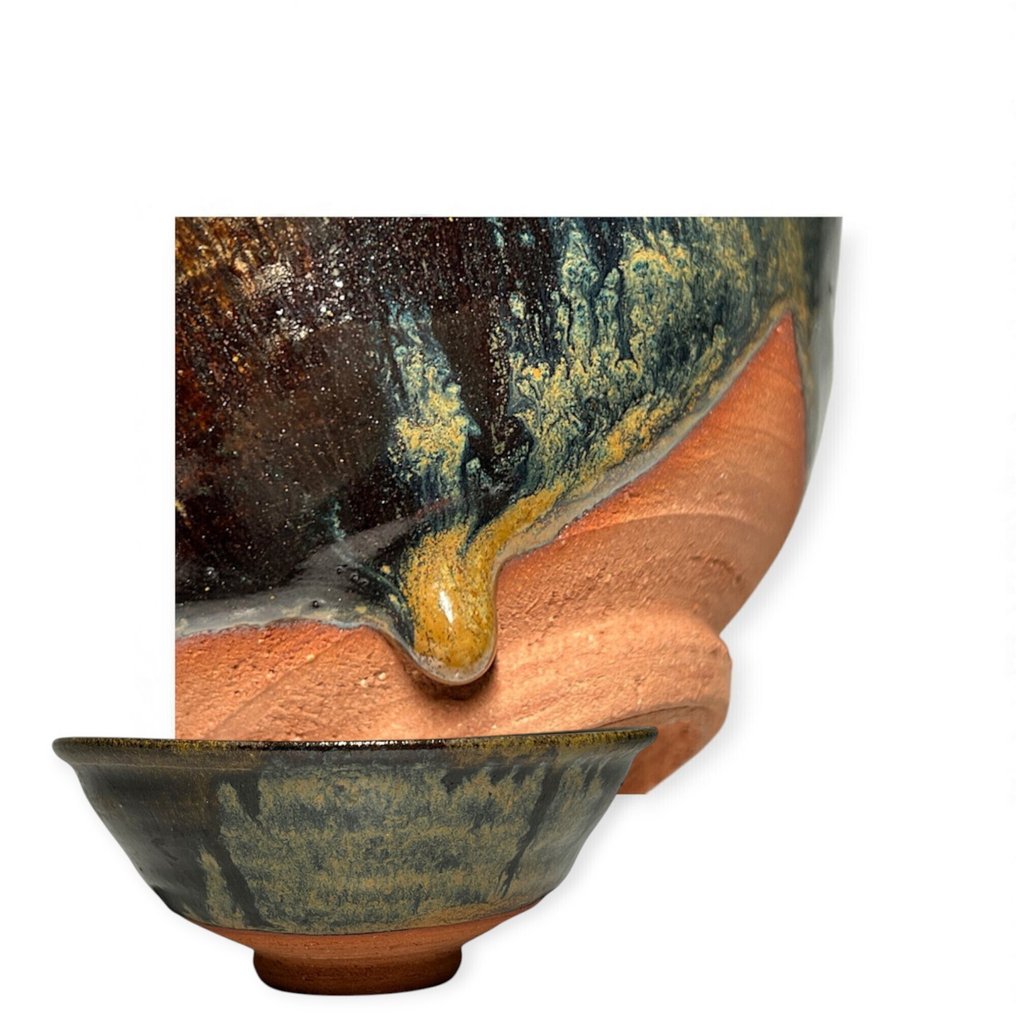
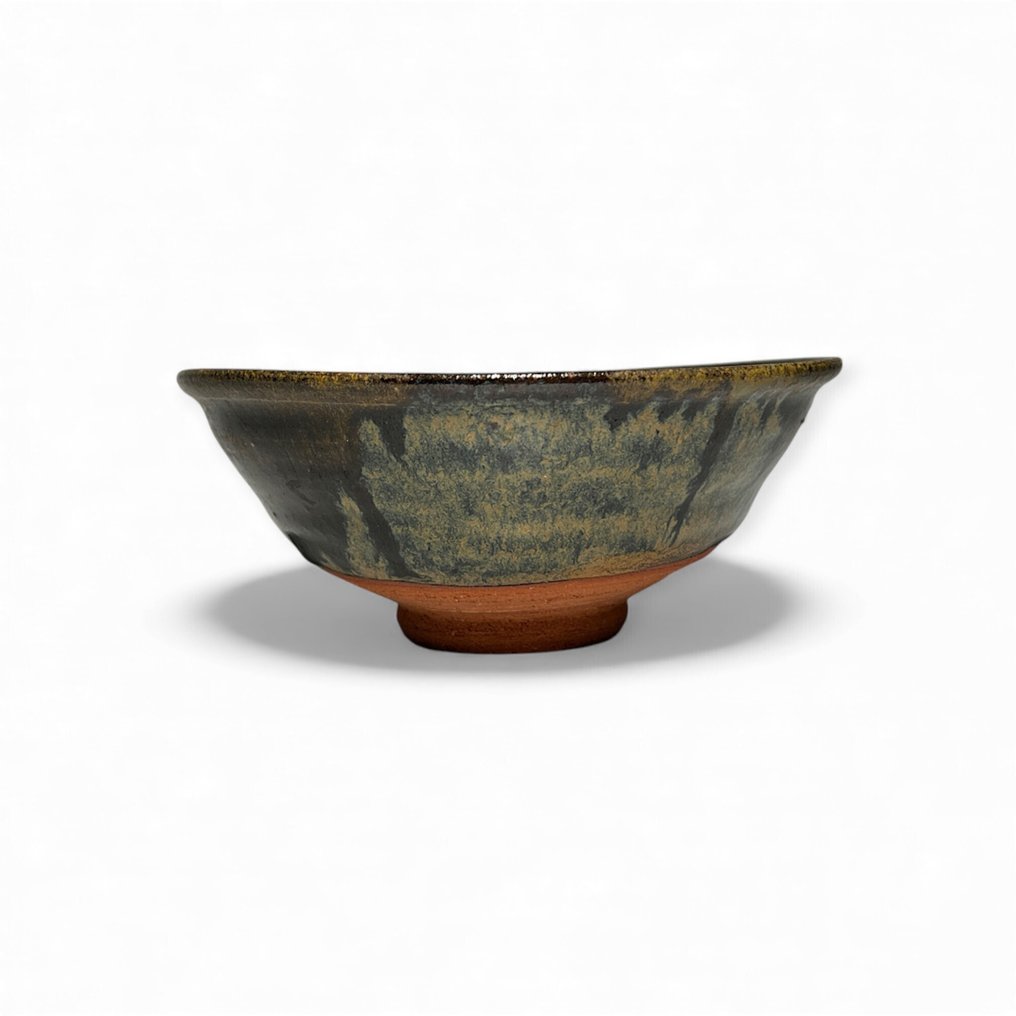
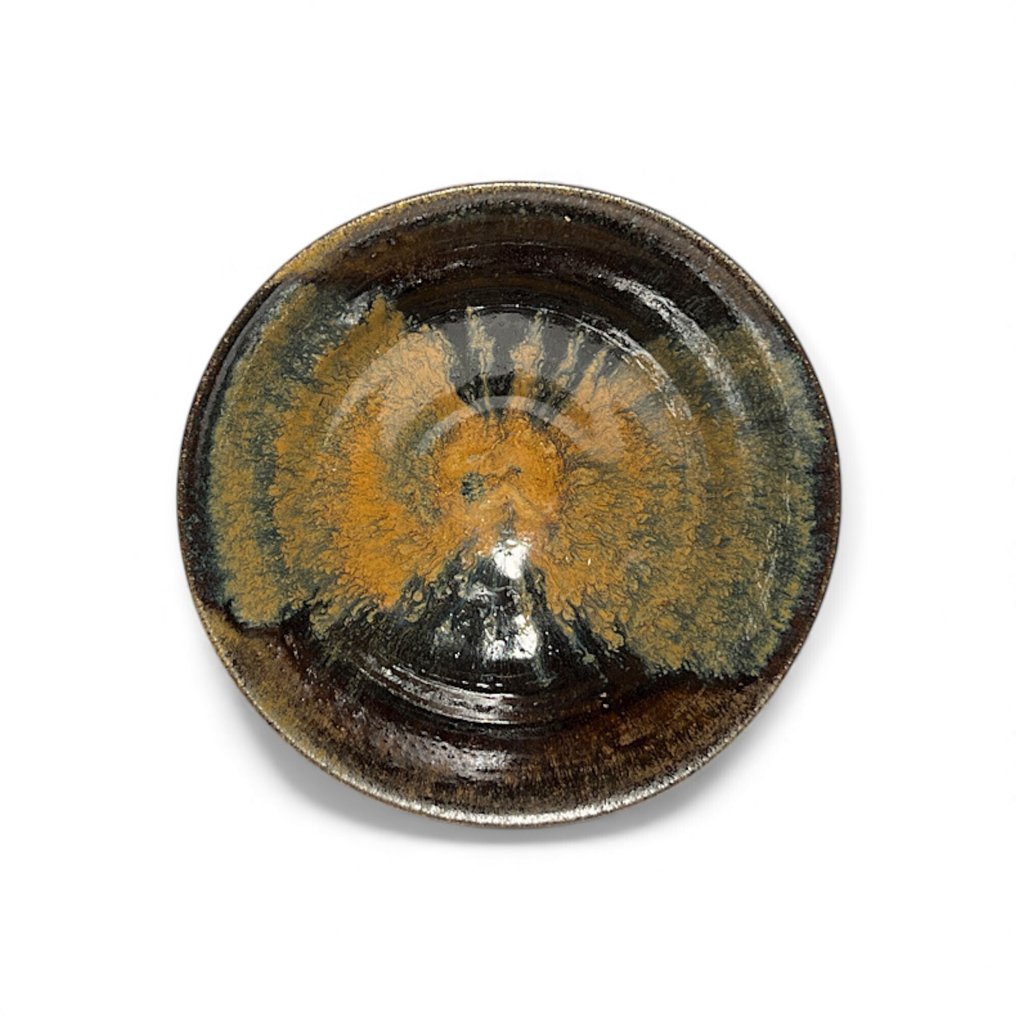
A single porcelain tea ceremony bowl (chawan) from Japan, dating to the Shōwa period (1926–1989), with yōhen glaze effects, measuring 6.2 cm in height and 14.8 cm in width, in excellent condition.
AI-assisted summary
Description from the seller
– Handmade chawan with dramatic kiln-transformation glaze – Suitable for tea ceremony practice or as a contemplative art object – Earthy palette and organic form reflecting wabi-sabi aesthetics
Summary: This is a Japanese tea bowl (chawan) featuring yōhen (kiln-change) glaze effects that create rich surface variations in colour and texture. The bowl appears to be a functional piece suitable for tea ceremony use, though it also stands as a sculptural object embodying the wabi-sabi aesthetic central to Japanese tea culture. The glaze likely includes iron-rich minerals that respond unpredictably to the kiln atmosphere, producing warm earth tones and subtle colour shifts. The piece is in good condition with minor signs of use or age that enhance rather than detract from its character.
Tea bowls occupy a special place in Japanese ceramics, as they are not merely vessels but focal points of the tea ceremony (chanoyu), an art form that integrates aesthetics, philosophy, and social ritual. The chawan is held, examined, and appreciated by participants before being used, making its tactile and visual qualities central to the experience. Potters who create tea bowls work within a tradition stretching back to the 16th century, when tea masters like Sen no Rikyū elevated simplicity and naturalness over ostentation.
The term yōhen describes transformations that occur within the kiln, where ash, flame, and heat interact with the clay and glaze in unpredictable ways. These 'kiln accidents' are not flaws but gifts of fire, revealing the alchemical nature of ceramic art. A tea bowl with yōhen glaze might display areas of deep brown alongside flashes of russet, grey, or gold, each marking a moment when conditions within the kiln shifted or when ash settled on the molten surface.
Wabi-sabi, the aesthetic philosophy that values transience, imperfection, and understated beauty, finds its fullest expression in objects like this chawan. The bowl's irregular form, its subtly asymmetrical profile, and the organic feel of the glaze all speak to this sensibility. Rather than striving for technical perfection, the maker embraces the idiosyncrasies of hand and fire, creating an object that feels alive, imbued with presence.
For tea practitioners, owning a well-made chawan enhances the ritual of preparing and drinking matcha. The bowl's weight, the way it fits the hands, the temperature it holds—all contribute to the meditative quality of the practice. For collectors who do not engage in formal tea ceremony, such bowls still offer aesthetic and contemplative value. Displayed on a shelf or in a tokonoma alcove, they become focal points for quiet reflection.
In contemporary Western interiors, Japanese tea bowls introduce an element of mindfulness and craft. They pair beautifully with natural materials—wood, stone, linen—and complement minimalist design principles. Whether used daily for morning tea or reserved for special occasions, this chawan brings a sense of ceremony and connection to a centuries-old tradition that celebrates the beauty of the everyday and the profound in the simple.
Shipping & Handling We ship worldwide via DHL or EMS with full insurance and tracking. Professional packing ensures safe arrival; combined shipping available for multiple wins. Local customs duties are the buyer's responsibility.
Seller Guarantee We specialise in authentic Japanese ceramics and guarantee this piece's authenticity. Questions welcome – we reply within 24 hours.
1227
Seller's Story
Hello, and thank you for visiting my page. I primarily handle Japanese antiques, as well as Western antiques, art pieces, and pre-loved items that have been cherished in Japan. Growing up in a family of historians—my grandfather was a historian and my father was an archaeologist—I have always been captivated by the eras and stories these historic objects and works of art carry with them.
My listings feature collections from both Japan and the West, pieces that have stood the test of time and remained beloved through the ages. Through these rare treasures, I hope to share with you the delight of ownership and discovery. As a professional, I strive for honest and sincere transactions to ensure customer satisfaction, always leveraging my experience and eye for quality.
I strongly believe in not letting buyers down, so I describe items as accurately and thoroughly as possible, prioritizing secure and careful packaging. If you have any questions or concerns, please feel free to reach out. It would be my pleasure to help enrich your collecting experience.
Thank you for your interest, and I look forward to doing business with you.
– Handmade chawan with dramatic kiln-transformation glaze – Suitable for tea ceremony practice or as a contemplative art object – Earthy palette and organic form reflecting wabi-sabi aesthetics
Summary: This is a Japanese tea bowl (chawan) featuring yōhen (kiln-change) glaze effects that create rich surface variations in colour and texture. The bowl appears to be a functional piece suitable for tea ceremony use, though it also stands as a sculptural object embodying the wabi-sabi aesthetic central to Japanese tea culture. The glaze likely includes iron-rich minerals that respond unpredictably to the kiln atmosphere, producing warm earth tones and subtle colour shifts. The piece is in good condition with minor signs of use or age that enhance rather than detract from its character.
Tea bowls occupy a special place in Japanese ceramics, as they are not merely vessels but focal points of the tea ceremony (chanoyu), an art form that integrates aesthetics, philosophy, and social ritual. The chawan is held, examined, and appreciated by participants before being used, making its tactile and visual qualities central to the experience. Potters who create tea bowls work within a tradition stretching back to the 16th century, when tea masters like Sen no Rikyū elevated simplicity and naturalness over ostentation.
The term yōhen describes transformations that occur within the kiln, where ash, flame, and heat interact with the clay and glaze in unpredictable ways. These 'kiln accidents' are not flaws but gifts of fire, revealing the alchemical nature of ceramic art. A tea bowl with yōhen glaze might display areas of deep brown alongside flashes of russet, grey, or gold, each marking a moment when conditions within the kiln shifted or when ash settled on the molten surface.
Wabi-sabi, the aesthetic philosophy that values transience, imperfection, and understated beauty, finds its fullest expression in objects like this chawan. The bowl's irregular form, its subtly asymmetrical profile, and the organic feel of the glaze all speak to this sensibility. Rather than striving for technical perfection, the maker embraces the idiosyncrasies of hand and fire, creating an object that feels alive, imbued with presence.
For tea practitioners, owning a well-made chawan enhances the ritual of preparing and drinking matcha. The bowl's weight, the way it fits the hands, the temperature it holds—all contribute to the meditative quality of the practice. For collectors who do not engage in formal tea ceremony, such bowls still offer aesthetic and contemplative value. Displayed on a shelf or in a tokonoma alcove, they become focal points for quiet reflection.
In contemporary Western interiors, Japanese tea bowls introduce an element of mindfulness and craft. They pair beautifully with natural materials—wood, stone, linen—and complement minimalist design principles. Whether used daily for morning tea or reserved for special occasions, this chawan brings a sense of ceremony and connection to a centuries-old tradition that celebrates the beauty of the everyday and the profound in the simple.
Shipping & Handling We ship worldwide via DHL or EMS with full insurance and tracking. Professional packing ensures safe arrival; combined shipping available for multiple wins. Local customs duties are the buyer's responsibility.
Seller Guarantee We specialise in authentic Japanese ceramics and guarantee this piece's authenticity. Questions welcome – we reply within 24 hours.
1227
Seller's Story
Hello, and thank you for visiting my page. I primarily handle Japanese antiques, as well as Western antiques, art pieces, and pre-loved items that have been cherished in Japan. Growing up in a family of historians—my grandfather was a historian and my father was an archaeologist—I have always been captivated by the eras and stories these historic objects and works of art carry with them.
My listings feature collections from both Japan and the West, pieces that have stood the test of time and remained beloved through the ages. Through these rare treasures, I hope to share with you the delight of ownership and discovery. As a professional, I strive for honest and sincere transactions to ensure customer satisfaction, always leveraging my experience and eye for quality.
I strongly believe in not letting buyers down, so I describe items as accurately and thoroughly as possible, prioritizing secure and careful packaging. If you have any questions or concerns, please feel free to reach out. It would be my pleasure to help enrich your collecting experience.
Thank you for your interest, and I look forward to doing business with you.
Details
Dynastic Style/Period
Shōwa period (1926-1989)
No. of items
1
Country of Origin
Japan
Material
Porcelain
Height
6.2 cm
Width
14.8 cm
Title of artwork
Tea Ceremony Bowl (Chawan) with Yōhen Glaze Effects
Condition
Excellent condition
Sold by
