Andy Warhol (1928-1987) (after) - "Guns, 1981-82" - (75x90cm)


06
days
22
hours
10
minutes
18
seconds
Starting bid
€ 1
No reserve price

Expert
Selected by Juan Antonio Rodríguez
Eight years experience valuing posters, previously valuer at Balclis, Barcelona.
Estimate € 150 - € 200
No bids placed
Catawiki Buyer Protection
Your payment’s safe with us until you receive your object.View details
Trustpilot 4.4 | 123418 reviews
Rated Excellent on Trustpilot.
Description from the seller
- Andy Warhol (after), art print - poster on heavyweight smooth matte paper (250gsm approx).
- Authorized edition. Copyright The Andy Warhol Foundation for the Visual Arts Inc. 2013
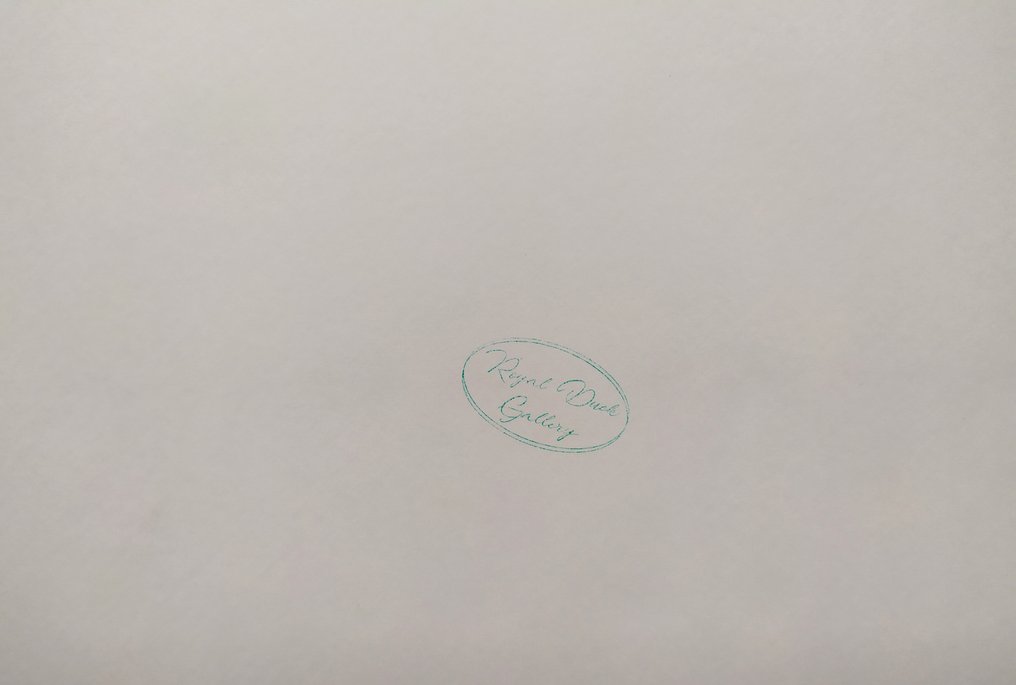
Stamp on the verso.
- Size: 75 x 90 cm
- Condition: excellent. Never framed, never exposed.
- Andy Warhol, born in 1928 in Pittsburgh, Pennsylvania, was a leading figure in the Pop Art movement and one of the most influential artists of the 20th century. His work often explored the intersections of art, celebrity culture, and consumerism. Warhol's use of silkscreen printing techniques allowed him to reproduce images of everyday objects and famous personalities, blurring the lines between fine art and mass production. His iconic works, such as the Campbell's Soup Cans, Marilyn Monroe portraits, and the Brillo Boxes, reflect his fascination with consumer goods and the commodification of fame.
Warhol's works are highly valued in the art market, with pieces like Silver Car Crash (Double Disaster) selling for over $105 million in 2013 and his Shot Sage Blue Marilyn achieving $195 million in 2022. His influence on contemporary art and culture remains profound, and his pieces continue to command high prices at auction.
"Guns" is part of a series created by Andy Warhol between 1981 and 1982, focusing on the motif of the gun. The artwork you provided features a stark, almost clinical depiction of a revolver against a bold red background. Warhol’s choice of subject matter reflects his fascination with violence, death, and the darker aspects of American culture. The use of silkscreen printing and the repetition of the image echo his earlier works, but with a more somber and serious tone.
The series is often viewed as Warhol's commentary on the ubiquity of firearms and their role in society, emphasizing both their appeal and the danger they pose. The bold, flat colors and the mechanical reproduction of the image eliminate any personal touch, highlighting the cold, impersonal nature of the subject.
The Guns series, like much of Warhol’s later work, explores themes of mortality and the darker side of fame and society, possibly influenced by his own experiences, such as the near-fatal shooting he survived in 1968.
In summary, Andy Warhol’s 'Guns' series from 1981-82 is a powerful exploration of violence and mortality, rendered in his signature Pop Art style. The work reflects his continued interest in the interplay between celebrity, culture, and death, and it remains a significant part of his later oeuvre. Warhol’s pieces, including this series, continue to captivate audiences and collectors alike, cementing his legacy as a pivotal figure in modern art.
Some artists of similar importance, including Basquiat, Picasso, Hockney, Lichtenstein, Sorolla, Banksy, Brainwash, Miró, Nara, Soulages, Lagasse, Ramos, Rothko, Lautrec, Klimt, Modigliani, Hirst, Chagall, Koons, Haring, Indiana, Mondrian, Groening, Richter, Monroe, Kusama, Murakami, Testa, Villemot, Oldenburg, Hopper, Ripolles, Wesselmann, Magritte, Jenk, Orlinski, Wille, Rizzi, Manara, Thiebaud, Herrera, Laurent, Klein, Coa, Dior, Vuitton, Kaws, Valentino, Cappiello, Kandinsky, Warhol, Buffa, Tura, Castle, Ponti, Knoll, Le Corbusier, Robert, Johns, Starck, Breuer, Nelson, Mogensen, Ponti, Bertoia, Urquiola, Chillida, Magistretti, Gauguin, Monet, Cezanne, Van Gogh, Botero, Katz, Braque, among others.
Seller's Story
Seller on Catawiki for over seven years.
I invite you to visit my profile, where you'll find a complete list of the different lots currently being auctioned. Click on "Yuke."
Good luck at the auctions!
Translated by Google Translate- Andy Warhol (after), art print - poster on heavyweight smooth matte paper (250gsm approx).
- Authorized edition. Copyright The Andy Warhol Foundation for the Visual Arts Inc. 2013
Stamp on the verso.
- Size: 75 x 90 cm
- Condition: excellent. Never framed, never exposed.
- Andy Warhol, born in 1928 in Pittsburgh, Pennsylvania, was a leading figure in the Pop Art movement and one of the most influential artists of the 20th century. His work often explored the intersections of art, celebrity culture, and consumerism. Warhol's use of silkscreen printing techniques allowed him to reproduce images of everyday objects and famous personalities, blurring the lines between fine art and mass production. His iconic works, such as the Campbell's Soup Cans, Marilyn Monroe portraits, and the Brillo Boxes, reflect his fascination with consumer goods and the commodification of fame.
Warhol's works are highly valued in the art market, with pieces like Silver Car Crash (Double Disaster) selling for over $105 million in 2013 and his Shot Sage Blue Marilyn achieving $195 million in 2022. His influence on contemporary art and culture remains profound, and his pieces continue to command high prices at auction.
"Guns" is part of a series created by Andy Warhol between 1981 and 1982, focusing on the motif of the gun. The artwork you provided features a stark, almost clinical depiction of a revolver against a bold red background. Warhol’s choice of subject matter reflects his fascination with violence, death, and the darker aspects of American culture. The use of silkscreen printing and the repetition of the image echo his earlier works, but with a more somber and serious tone.
The series is often viewed as Warhol's commentary on the ubiquity of firearms and their role in society, emphasizing both their appeal and the danger they pose. The bold, flat colors and the mechanical reproduction of the image eliminate any personal touch, highlighting the cold, impersonal nature of the subject.
The Guns series, like much of Warhol’s later work, explores themes of mortality and the darker side of fame and society, possibly influenced by his own experiences, such as the near-fatal shooting he survived in 1968.
In summary, Andy Warhol’s 'Guns' series from 1981-82 is a powerful exploration of violence and mortality, rendered in his signature Pop Art style. The work reflects his continued interest in the interplay between celebrity, culture, and death, and it remains a significant part of his later oeuvre. Warhol’s pieces, including this series, continue to captivate audiences and collectors alike, cementing his legacy as a pivotal figure in modern art.
Some artists of similar importance, including Basquiat, Picasso, Hockney, Lichtenstein, Sorolla, Banksy, Brainwash, Miró, Nara, Soulages, Lagasse, Ramos, Rothko, Lautrec, Klimt, Modigliani, Hirst, Chagall, Koons, Haring, Indiana, Mondrian, Groening, Richter, Monroe, Kusama, Murakami, Testa, Villemot, Oldenburg, Hopper, Ripolles, Wesselmann, Magritte, Jenk, Orlinski, Wille, Rizzi, Manara, Thiebaud, Herrera, Laurent, Klein, Coa, Dior, Vuitton, Kaws, Valentino, Cappiello, Kandinsky, Warhol, Buffa, Tura, Castle, Ponti, Knoll, Le Corbusier, Robert, Johns, Starck, Breuer, Nelson, Mogensen, Ponti, Bertoia, Urquiola, Chillida, Magistretti, Gauguin, Monet, Cezanne, Van Gogh, Botero, Katz, Braque, among others.
Seller's Story
Seller on Catawiki for over seven years.
I invite you to visit my profile, where you'll find a complete list of the different lots currently being auctioned. Click on "Yuke."
Good luck at the auctions!
Translated by Google TranslateDetails
Artist
Andy Warhol (1928-1987) (after)
Sold by
Owner or reseller
Edition
Original
Title of artwork
"Guns, 1981-82" - (75x90cm)
Technique
Offset print
Signature
Not signed
Country of Origin
United Kingdom
Condition
Excellent condition
Colour
Black, Red, White
Height
75 cm
Width
90 cm
Style
Pop Art
Period
2010-2020
Sold with frame
No