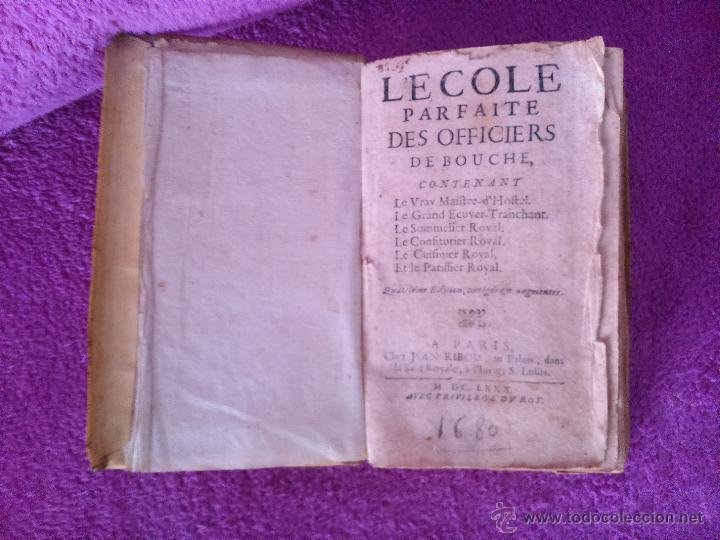
D. Guillaume Tirel, Taillevent - L'ecole parfaite des officiers de bouche - 1680
00
days
19
hours
13
minutes
42
seconds
Current bid
€ 50
Reserve price not met

Expert
Selected by Volker Riepenhausen
Specialist in travel literature and pre-1600 rare prints with 28 years experience.
Estimate € 750 - € 850
9 other people are watching this object
 Bidder 5730 Bidder 5730 | €50 | |
|---|---|---|
 Bidder 3607 Bidder 3607 | €10 |
Catawiki Buyer Protection
Your payment’s safe with us until you receive your object.View details
Trustpilot 4.4 | 123113 reviews
Rated Excellent on Trustpilot.
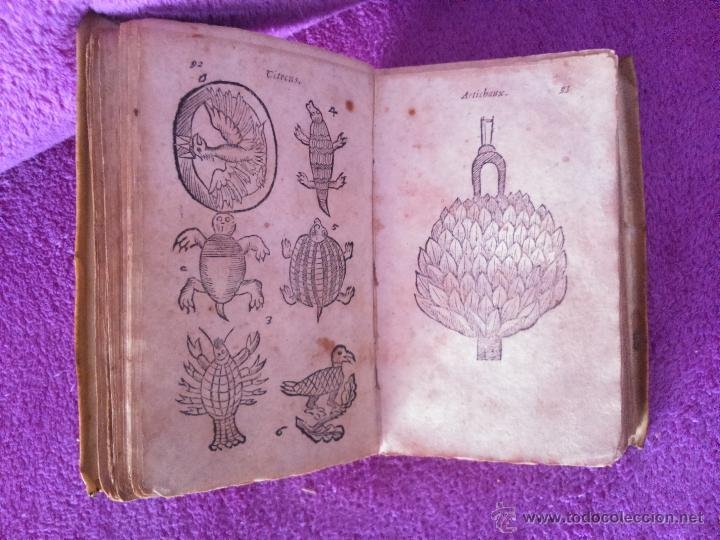
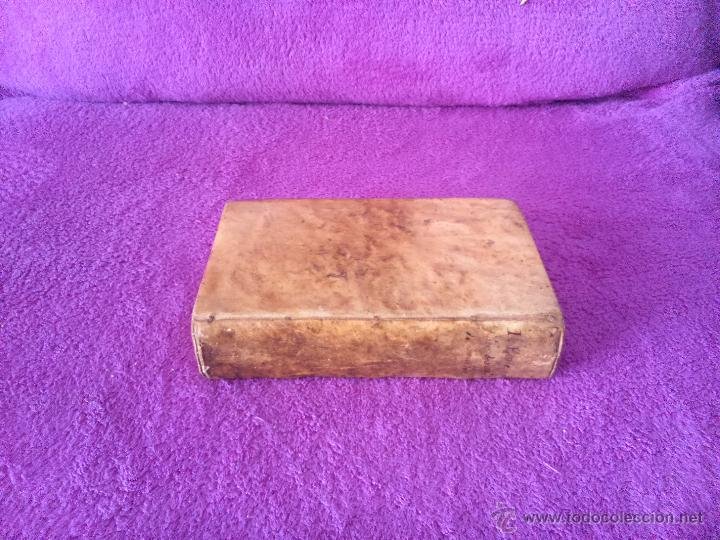
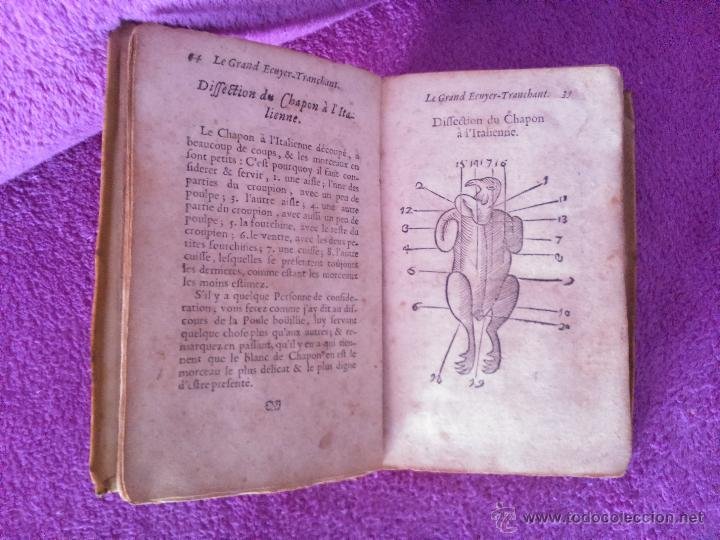
The 1680 illustrated edition of L'ecole parfaite des officiers de bouche by D. Guillaume Tirel (Taillevent), bound in leather, 500 pages, in French, Paris edition Chez Jean Ribou, in good preserved condition.
AI-assisted summary
Description from the seller
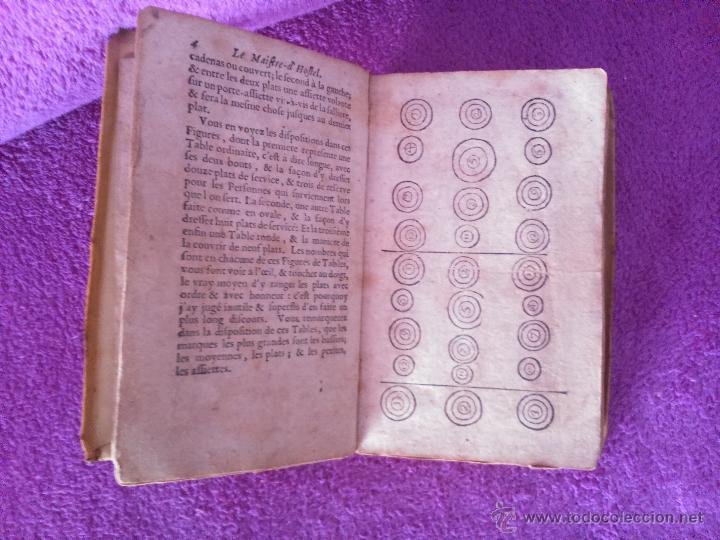
Paris. At Jean Ribou's. 1680. 16x10 inches. Parchment. Fourth corrected and expanded edition. 4h+480 pages+14h. The work consists of 6 parts: The maître-d'hôstel - He is the supervisor of the kitchen and 'the cold kitchen': the staff, equipment, procurement of goods and foodstuffs, as well as meal organization are his responsibilities. This means menu planning, table setting and decoration, serving dishes, and ensuring diners have clean hands. The maître-d'hôtel is, in fact, the master of the house; all the persons described below answer to him. Le Grand Ecuyer-Tranchant - This part teaches how to carve and serve all kinds of poultry, meat, fish, game, and some fruit. It is illustrated with engravings to make it more comprehensive. The Royal Sommelier - He is responsible for setting the table (with knives and spoons, as there is no mention of forks), folding napkins into decorative shapes, organizing the buffet, and ensuring the wine is served cold. Le Confiturier Royal - He supervises the kitchen, 'the cold kitchen.' This is where the dishes for the last course, the dessert, are prepared: fruit, confections, sweets. The chapters in this part show the very diverse tasks of 'the cold kitchen': preparation of compotes, fruit pastes, jams, cookies, marzipan, dry preserves, wet preserves, jellies, and drier preparations, creams, syrups, distilled waters, and spiced wines, as well as how to make ice, prepare tea, chocolate, and coffee, ratafia, perfumes, scented candles, hair powder and washing, skin and lip makeup (ointments). The d'office cook seems to be a combination of a hairdresser, pharmacist, bartender, ice cream seller, and pastry chef, all in one person. Le Cuisinier Royal - This section presents royal recipes, with the appropriate season and place on the menu for all kinds of meats, fish, and vegetables, both on meat days (in fat) and fish days (in lean). Le Patissier Royal - The last part deals with baked foods, especially savory dishes served during the first course or main course. It begins with recipes for sweet and savory dough, followed by recipes for pies and cold and hot tarts, whether with meat, fish, vegetables, nuts, or fried pastries (fritters and choux). The final chapter offers delicacy suggestions, during which meat and dessert are served simultaneously. A very rare illustrated edition, very difficult to find on the market.
Paris. At Jean Ribou's. 1680. 16x10 inches. Parchment. Fourth corrected and expanded edition. 4h+480 pages+14h. The work consists of 6 parts: The maître-d'hôstel - He is the supervisor of the kitchen and 'the cold kitchen': the staff, equipment, procurement of goods and foodstuffs, as well as meal organization are his responsibilities. This means menu planning, table setting and decoration, serving dishes, and ensuring diners have clean hands. The maître-d'hôtel is, in fact, the master of the house; all the persons described below answer to him. Le Grand Ecuyer-Tranchant - This part teaches how to carve and serve all kinds of poultry, meat, fish, game, and some fruit. It is illustrated with engravings to make it more comprehensive. The Royal Sommelier - He is responsible for setting the table (with knives and spoons, as there is no mention of forks), folding napkins into decorative shapes, organizing the buffet, and ensuring the wine is served cold. Le Confiturier Royal - He supervises the kitchen, 'the cold kitchen.' This is where the dishes for the last course, the dessert, are prepared: fruit, confections, sweets. The chapters in this part show the very diverse tasks of 'the cold kitchen': preparation of compotes, fruit pastes, jams, cookies, marzipan, dry preserves, wet preserves, jellies, and drier preparations, creams, syrups, distilled waters, and spiced wines, as well as how to make ice, prepare tea, chocolate, and coffee, ratafia, perfumes, scented candles, hair powder and washing, skin and lip makeup (ointments). The d'office cook seems to be a combination of a hairdresser, pharmacist, bartender, ice cream seller, and pastry chef, all in one person. Le Cuisinier Royal - This section presents royal recipes, with the appropriate season and place on the menu for all kinds of meats, fish, and vegetables, both on meat days (in fat) and fish days (in lean). Le Patissier Royal - The last part deals with baked foods, especially savory dishes served during the first course or main course. It begins with recipes for sweet and savory dough, followed by recipes for pies and cold and hot tarts, whether with meat, fish, vegetables, nuts, or fried pastries (fritters and choux). The final chapter offers delicacy suggestions, during which meat and dessert are served simultaneously. A very rare illustrated edition, very difficult to find on the market.
Details
Number of Books
1
Subject
Cookery, food & drink, History, Illustrated
Book Title
L'ecole parfaite des officiers de bouche
Author/ Illustrator
D. Guillaume Tirel, Taillevent
Condition
Fine
Publication year oldest item
1680
Edition
Illustrated Edition
Language
French
Original language
Yes
Publisher
Chez Jean Ribou
Binding/ Material
Leather
Number of pages
500
Sold by
