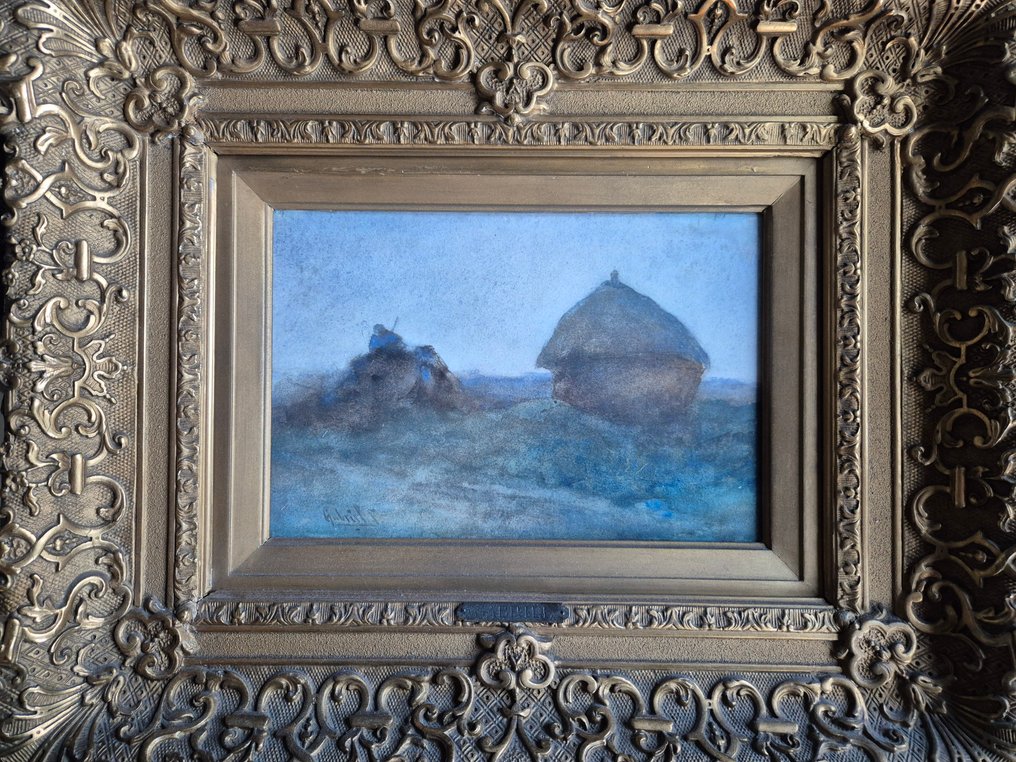
Gabriël, Paul Joseph Constatin (1828-1903) - Plattelands tafereel



11
days
04
hours
11
minutes
49
seconds
Current bid
€ 1
Reserve price not met

Expert
Selected by Leo Setz
Over 30 years’ experience as art dealer, appraiser and restorer.
Estimate € 1,100 - € 1,300
20 other people are watching this object
 Bidder 7335 Bidder 7335 | €1 |
|---|
Catawiki Buyer Protection
Your payment’s safe with us until you receive your object.View details
Trustpilot 4.4 | 123641 reviews
Rated Excellent on Trustpilot.
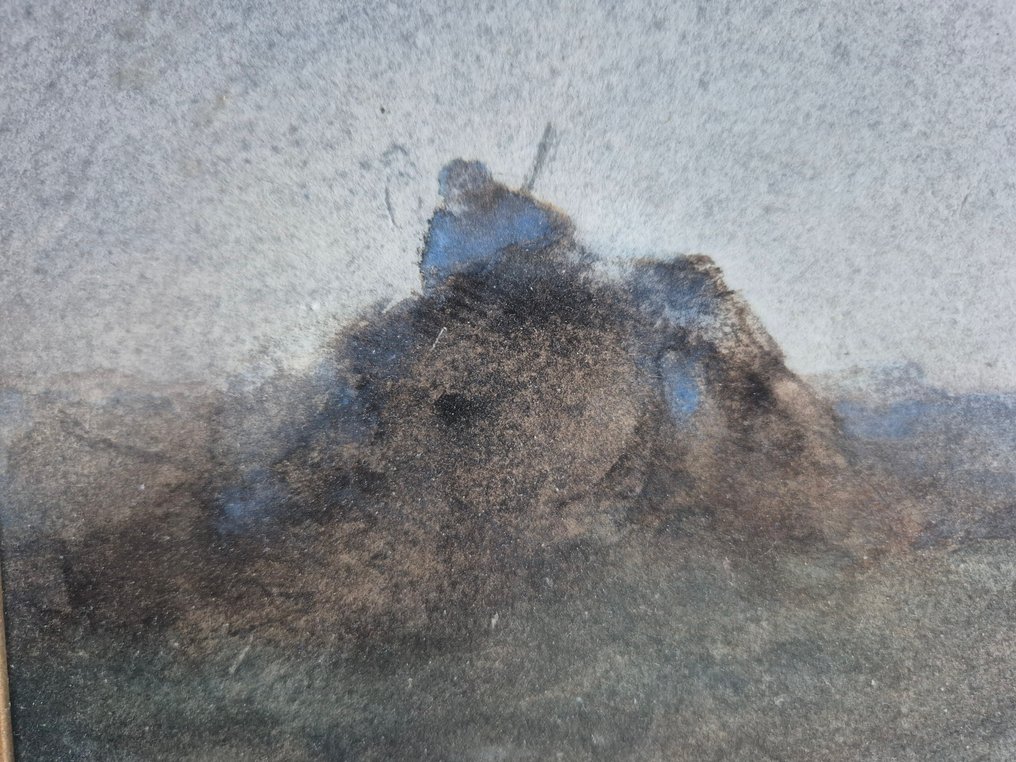
Original framed watercolour landscape Plattelands tafereel by Paul Joseph Constantin Gabriël (1828–1903), Netherlands, dating from 1970–1980, 19 × 27 cm, signed, in excellent condition.
AI-assisted summary
Description from the seller
Gabriël lived from 1828 to 1903.
As an artist, the independent Paul Joseph Constantin Gabriël long sought his own perspective. He struggled to get along with the prevailing Romantic painting tradition and studied under various mentors in a short period, including B.C. Koekkoek. It was only in the painting colony of Oosterbeek, where he could work independently in the open air, that Gabriël felt somewhat at home. In 1860, he moved to Brussels, where the art climate was better and where new artistic developments from France had also arrived. There, he became acquainted with the landscapes of French painters from Barbizon. Gabriël found much inspiration in this innovative work and began to focus more on simpler, rural subjects in a realistic style. He also met Willem Roelofs, who had worked in Barbizon himself and was already a successful painter in Brussels. Roelofs eventually became an important advisor to Gabriël; he also introduced the artist to various people and societies. Additionally, he took Gabriël with him on his travels to the North and Abcoude.
It is in this typically Dutch polder landscape that Gabrïel reinvented himself. He abandoned all artistic conventions and mainly sought simplicity and harmony in nature. Gabriël was the first painter to discover the beauty of Kortenhoef, a place on the Loosdrechtse lakes. Later, he also traveled to Broeksloot, the Nieuwkoopse lakes, Giethoorn, and Kampen. There, Gabriël painted the expansive lakes and ponds with fishing boats, fyke nets, small bridges, windmills, and farms with thatched roofs. He subsequently left out details such as figures and livestock. Very spacious compositions emerged, characterized by many horizontal and vertical lines. The sky, an important element in his works, was only added last.
Around 1870, the painter reached his artistic peak. His brushwork became looser, more impressionist, with a fresh and bright use of color, featuring lots of green and blue. However, he was cautious of too much artistic influence from Roelofs and of using too loose a brushwork. His work was described as realistic and original.
Gabriël placed great importance on working for hours outdoors to determine the right composition, lighting, and color shades. He preferred the most atmospheric moments of the day when the light was at its best, such as the misty sunrise or the late afternoon light. Like Claude Monet, he rented a boat to view his subject directly from the front. When he finished sketching, he would rush home to preserve the impressions he had gained. At home, he incorporated these into a larger painting within just a few days. He also shared this advice with his most important student, Willem Bastiaan Tholen.
Against the typical Dutch gray, so characteristic of the work of his peers, Gabriël has always strongly opposed it: 'I repeat, our country is not gray, not even in gray weather, the dunes are not gray either... Our country is colorful – juicy – rich..'
The painting was purchased in 2014 from Galerie Molen van Orden in Apeldoorn and comes with an authenticity certificate. It belonged to the family of the painter Van Mastenbroek, from whom it is now being sold as part of an inheritance.
Gabriël lived from 1828 to 1903.
As an artist, the independent Paul Joseph Constantin Gabriël long sought his own perspective. He struggled to get along with the prevailing Romantic painting tradition and studied under various mentors in a short period, including B.C. Koekkoek. It was only in the painting colony of Oosterbeek, where he could work independently in the open air, that Gabriël felt somewhat at home. In 1860, he moved to Brussels, where the art climate was better and where new artistic developments from France had also arrived. There, he became acquainted with the landscapes of French painters from Barbizon. Gabriël found much inspiration in this innovative work and began to focus more on simpler, rural subjects in a realistic style. He also met Willem Roelofs, who had worked in Barbizon himself and was already a successful painter in Brussels. Roelofs eventually became an important advisor to Gabriël; he also introduced the artist to various people and societies. Additionally, he took Gabriël with him on his travels to the North and Abcoude.
It is in this typically Dutch polder landscape that Gabrïel reinvented himself. He abandoned all artistic conventions and mainly sought simplicity and harmony in nature. Gabriël was the first painter to discover the beauty of Kortenhoef, a place on the Loosdrechtse lakes. Later, he also traveled to Broeksloot, the Nieuwkoopse lakes, Giethoorn, and Kampen. There, Gabriël painted the expansive lakes and ponds with fishing boats, fyke nets, small bridges, windmills, and farms with thatched roofs. He subsequently left out details such as figures and livestock. Very spacious compositions emerged, characterized by many horizontal and vertical lines. The sky, an important element in his works, was only added last.
Around 1870, the painter reached his artistic peak. His brushwork became looser, more impressionist, with a fresh and bright use of color, featuring lots of green and blue. However, he was cautious of too much artistic influence from Roelofs and of using too loose a brushwork. His work was described as realistic and original.
Gabriël placed great importance on working for hours outdoors to determine the right composition, lighting, and color shades. He preferred the most atmospheric moments of the day when the light was at its best, such as the misty sunrise or the late afternoon light. Like Claude Monet, he rented a boat to view his subject directly from the front. When he finished sketching, he would rush home to preserve the impressions he had gained. At home, he incorporated these into a larger painting within just a few days. He also shared this advice with his most important student, Willem Bastiaan Tholen.
Against the typical Dutch gray, so characteristic of the work of his peers, Gabriël has always strongly opposed it: 'I repeat, our country is not gray, not even in gray weather, the dunes are not gray either... Our country is colorful – juicy – rich..'
The painting was purchased in 2014 from Galerie Molen van Orden in Apeldoorn and comes with an authenticity certificate. It belonged to the family of the painter Van Mastenbroek, from whom it is now being sold as part of an inheritance.
Details
Artist
Gabriël, Paul Joseph Constatin (1828-1903)
Sold with frame
Yes
Sold by
Owner or reseller
Edition
Original
Title of artwork
Plattelands tafereel
Technique
Watercolour painting
Signature
Signed
Country of Origin
Netherlands
Condition
Excellent condition
Height
19 cm
Width
27 cm
Depiction/Theme
Landscape
Style
Impressionism
Period
1970-1980
