No. 100877344

No. 100877344
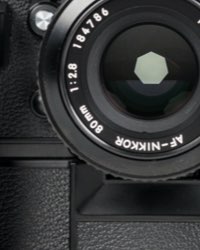
De Leica M3 is een legendarische 35 mm meetzoekercamera die werd geïntroduceerd in 1954 door Leitz Wetzlar (nu Leica Camera AG). Het was het eerste model in de beroemde Leica M-serie en zette de standaard voor professionele meetzoekercamera’s in de decennia die volgden. De M3 gebruikt 35 mm film met een beeldformaat van 36 × 24 mm en maakt gebruik van de Leica M-vatting, die sindsdien compatibel is gebleven met talloze Leica-lenzen. De zoeker van de M3 is beroemd om zijn helderheid en precisie, met een vergroting van 0,91× — de hoogste van alle Leica M-camera’s — en automatisch verschuivende kaderlijnen voor 50, 90 en 135 mm lenzen. De gekoppelde meetzoeker heeft een lange basislengte van 68,5 mm, wat uitzonderlijke nauwkeurigheid biedt bij het scherpstellen, vooral bij lichtsterke lenzen.
De sluiter is volledig mechanisch en bestaat uit een horizontaal lopend doekgordijn met snelheden van 1 seconde tot 1/1000 seconde, plus een B-stand. De camera heeft geen ingebouwde lichtmeter, waardoor belichting handmatig moet worden bepaald of met een externe meter. Filmtransport gebeurt via een snellaadsysteem en handmatige opwinding met een winderhendel, en terugspoelen gaat met een draaiknop. De behuizing is van messing en verchroomd metaal, wat de M3 zijn kenmerkende robuuste gevoel en duurzaamheid geeft; het gewicht bedraagt ongeveer 580 gram (body).
De Leica M3 werd geproduceerd tot 1966, met in totaal ongeveer 220.000 exemplaren. Hij werd geleverd in zowel zilverchroom als zwart (een zeldzamere uitvoering). Ondanks dat de M3 inmiddels een klassiek model is, wordt hij nog steeds geprezen om zijn optische kwaliteit, bouwprecisie en het intuïtieve, pure fotografische gevoel dat hij biedt — eigenschappen die de Leica M-serie tot een icoon in de fotografiewereld hebben gemaakt.
How to buy on Catawiki
1. Discover something special
2. Place the top bid
3. Make a secure payment